“Grasscloth” refers to a type of wallpaper made from natural fibers with a rice paper backing, designed for application on walls or furniture. Common natural fibers used in grasscloth wallpaper include hemp, jute, seagrass, bamboo, and raffia.
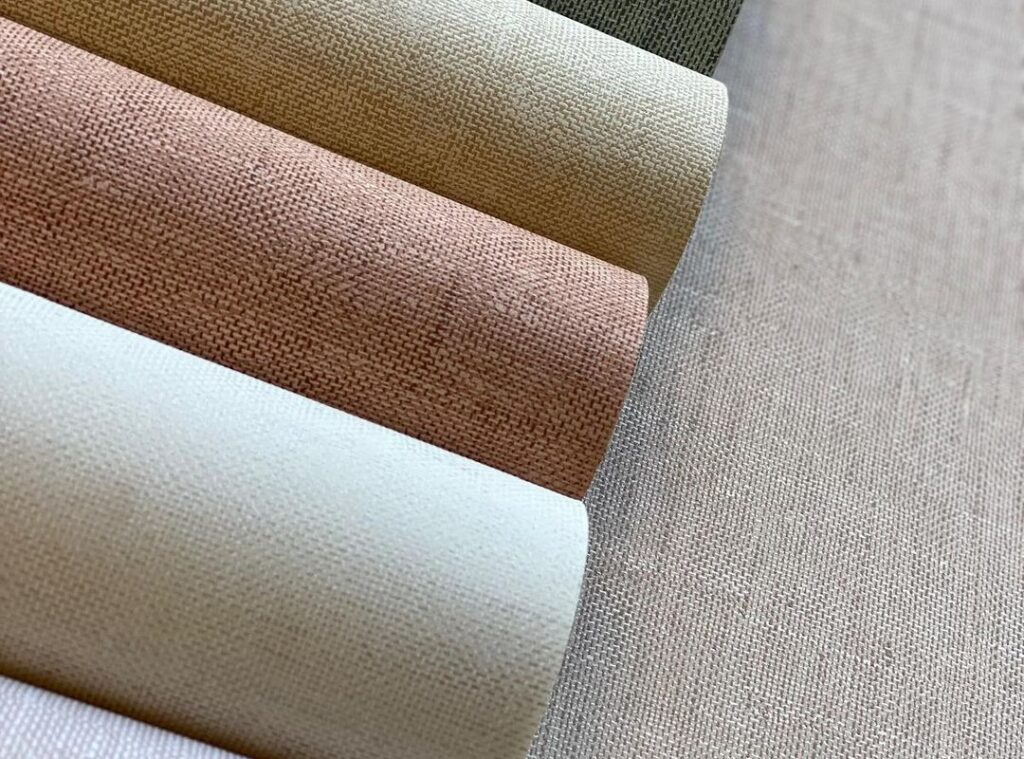
Standard Sizes for Grasscloth Wallpaper
Most grasscloth wallpapers are available in standard rolls:
- Width: 36 inches
- Length: 8 yards
For larger spaces, come in rolls measuring:
- 36 inches wide x 12 yards long
- 54 inches wide x 54.5 yards long
Selecting the right size ensures your wallpaper perfectly fits your design requirements.
Traditional grasscloth wallpaper undergoes a meticulous crafting process. Grasscloth wallpaper is a unique product that requires extensive handcrafting. For natural materials, each harvest undergoes meticulous inspection, thorough cleaning, and natural air-drying. Once the fibers are sorted to ensure uniformity, they are either hand-knotted (as with jute) or sent directly to the loom for weaving.
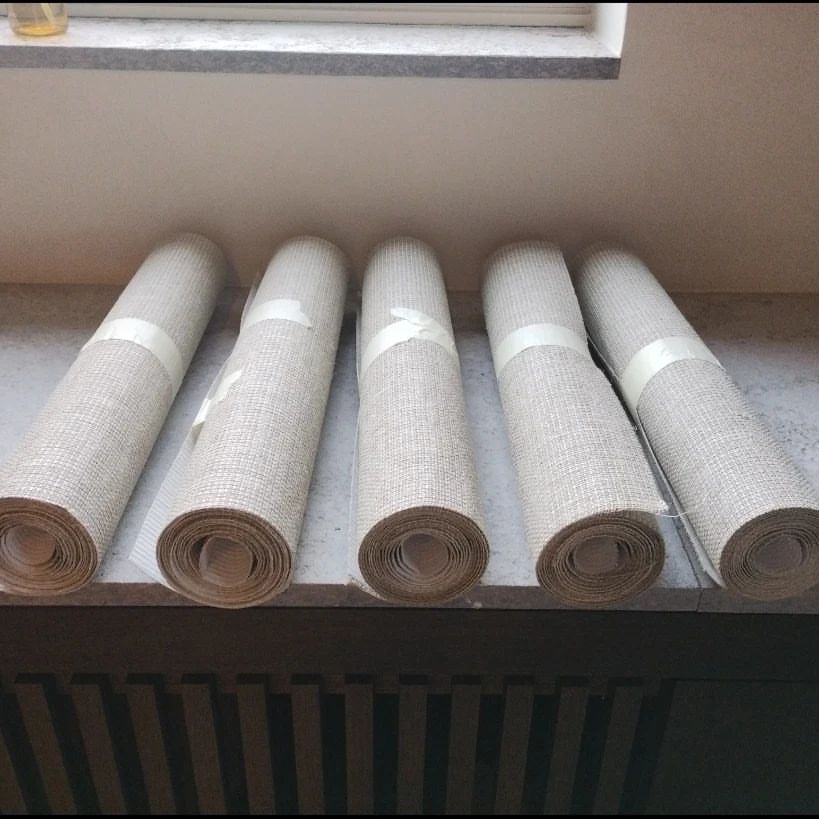
The history of grasscloth wallpapers
Grasscloth wallpaper, a natural wallcovering with over 2,000 years of history, originated in Asia and spread to Europe through ancient trade routes. It gained immense popularity in the 1960s and 1970s and is now experiencing a major revival.
This eco-friendly wallpaper, made from natural fibers, has undergone significant upgrades to meet modern design trends. Today’s grasscloth features:
- Intricate Weaves: More sophisticated patterns add a touch of elegance.
- Refined Textures: Subtle details create a luxurious feel.
- Expanded Color Palettes: A wider range of hues replaces the browns and burlap tones of the 70s, offering fresh, contemporary options.
- One thing remains constant: Grasscloth wallpaper continues to bring warmth, sophistication, and depth to any space. Embrace its timeless charm and explore the modern appeal it offers for your design today!
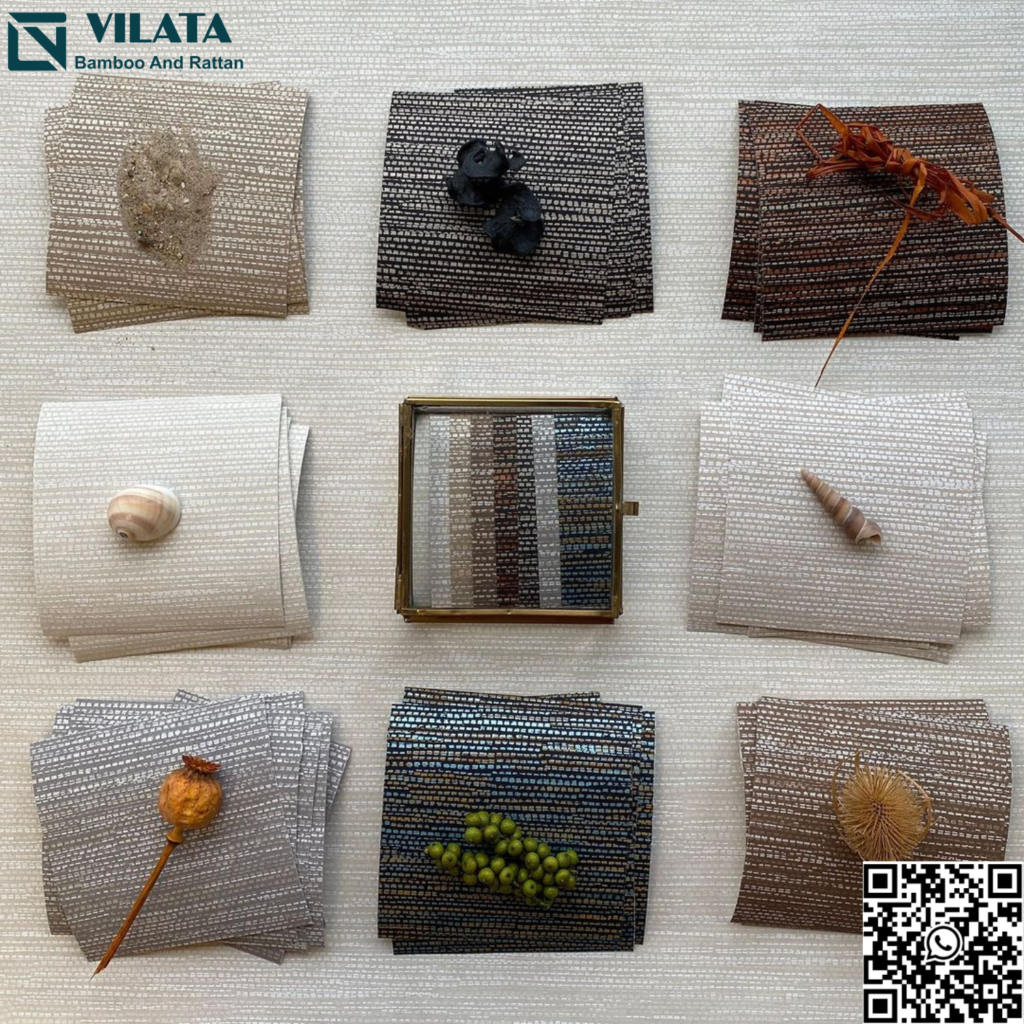
GrassCloth Wallpaper Materials
Grass cloth wallpaper is made from a variety of sustainable, natural materials, each offering a unique texture and aesthetic appeal. Common materials used include Jute, Hemp, Seagrass, Bamboo, Raffia, wood… undergoes a meticulous crafting process an requires extensive handcrafting. For natural materials, each harvest undergoes meticulous inspection, thorough cleaning, and natural air-drying. Once the fibers are sorted to ensure uniformity, they are either hand-knotted (as with jute) or sent directly to the loom for weaving.
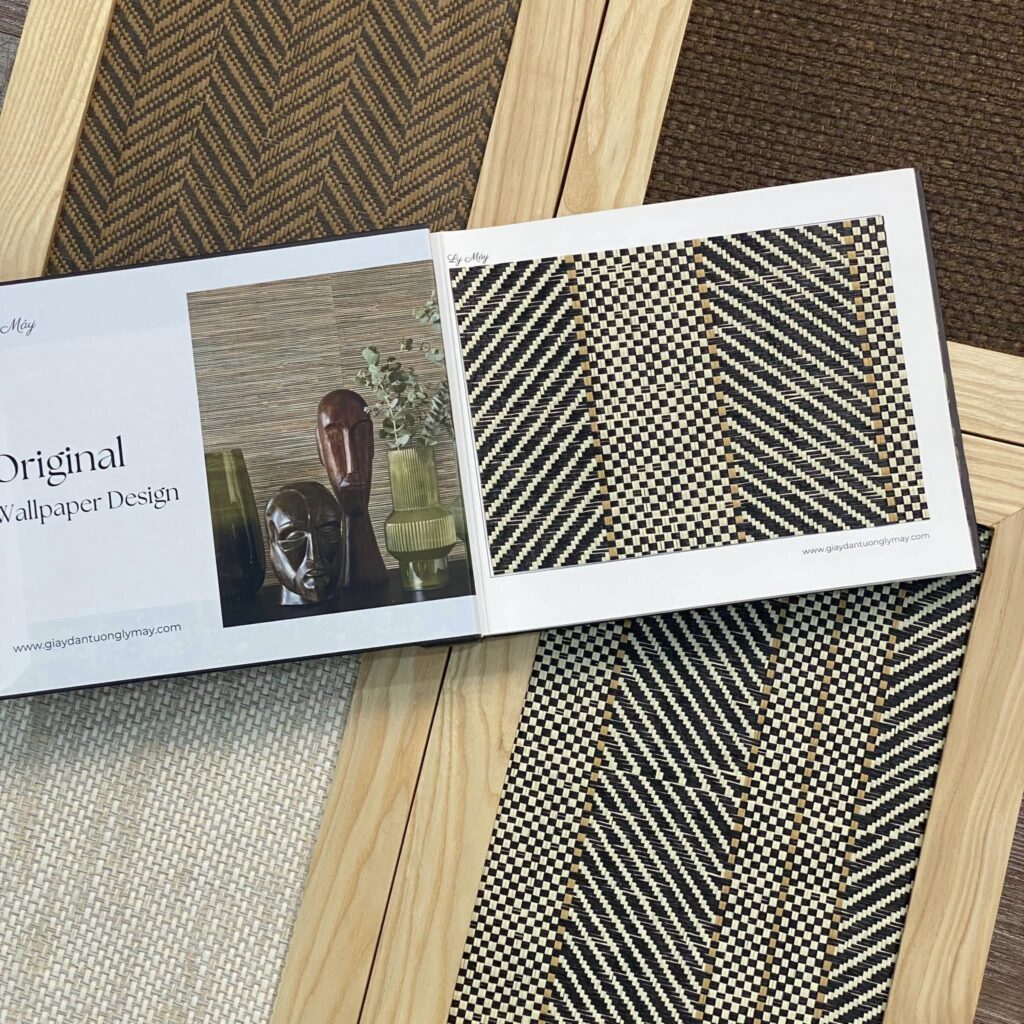
These eco-conscious materials are skillfully woven into distinctive patterns, making grass cloth wallpaper not only a sustainable choice but also a stylish addition to your home décor. Choose from a variety of textures and colors to elevate your space with the natural beauty and timeless sophistication of grasscloth wallpaper.
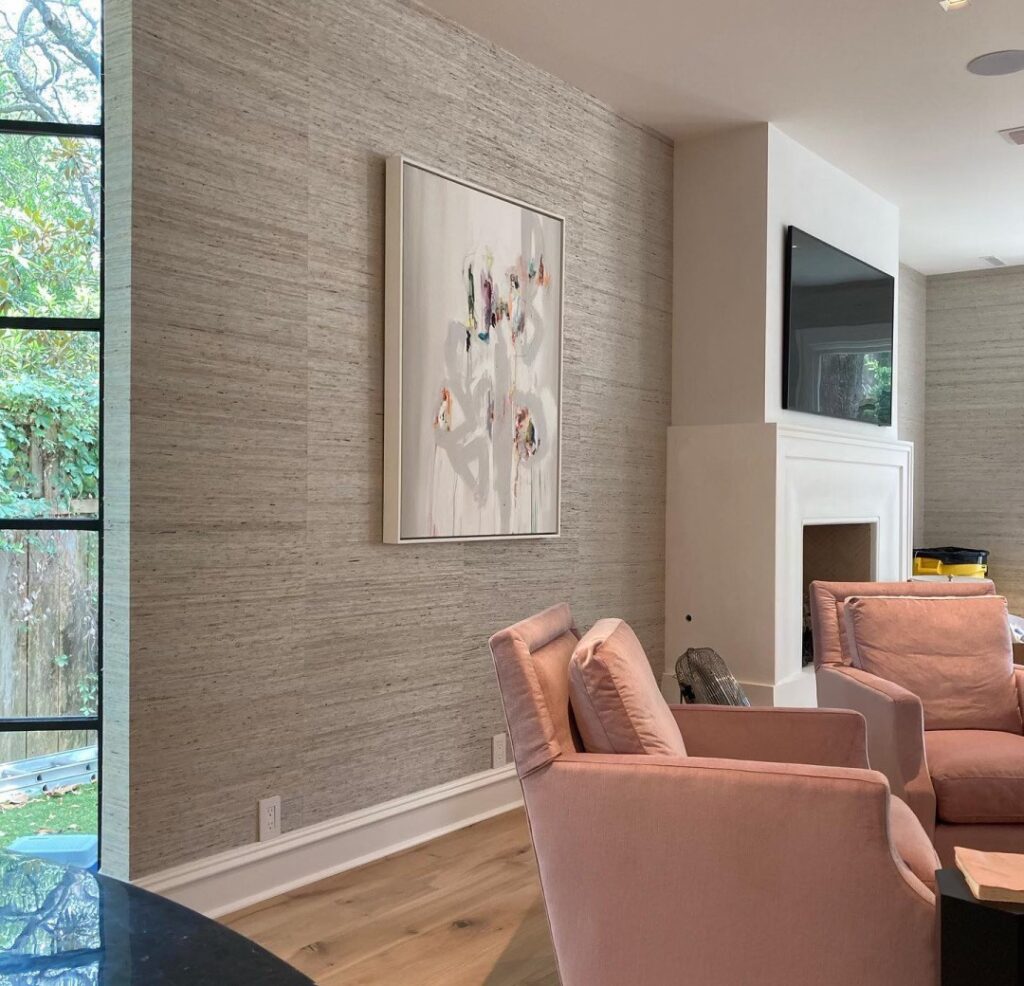
What Are the Benefits of Grasscloth Wallpaper?
Our grasscloth wallpapers are made from natural materials, ensuring they are free from harmful chemicals and safe for those with environmental sensitivities. This eco-conscious choice helps reduce the negative impact of toxins commonly found in traditional wallpapers, promoting a healthier home environment.
Elegant and Versatile Design
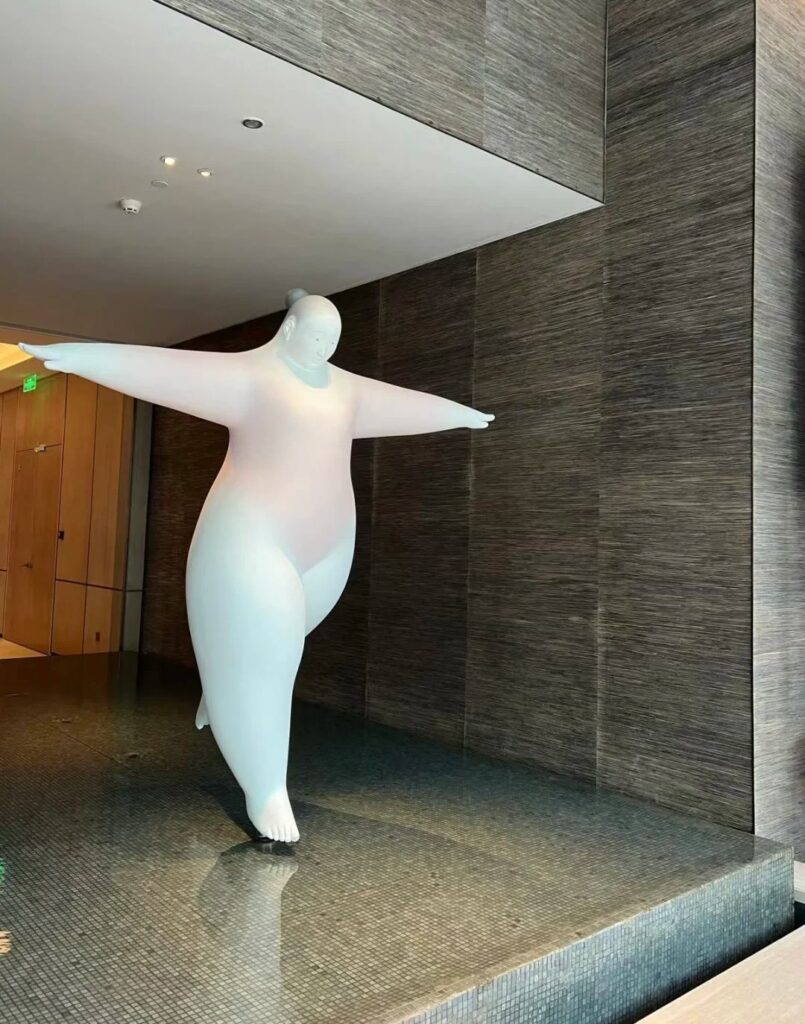
Grasscloth wallpaper adds a natural, sophisticated touch to your home, offering a variety of textures and colors to suit any style. Whether you use it as an accent wall or to highlight key design elements, it enhances your space with warmth and depth, creating a unique and chic look.
Thermal Insulation and Soundproofing Benefits
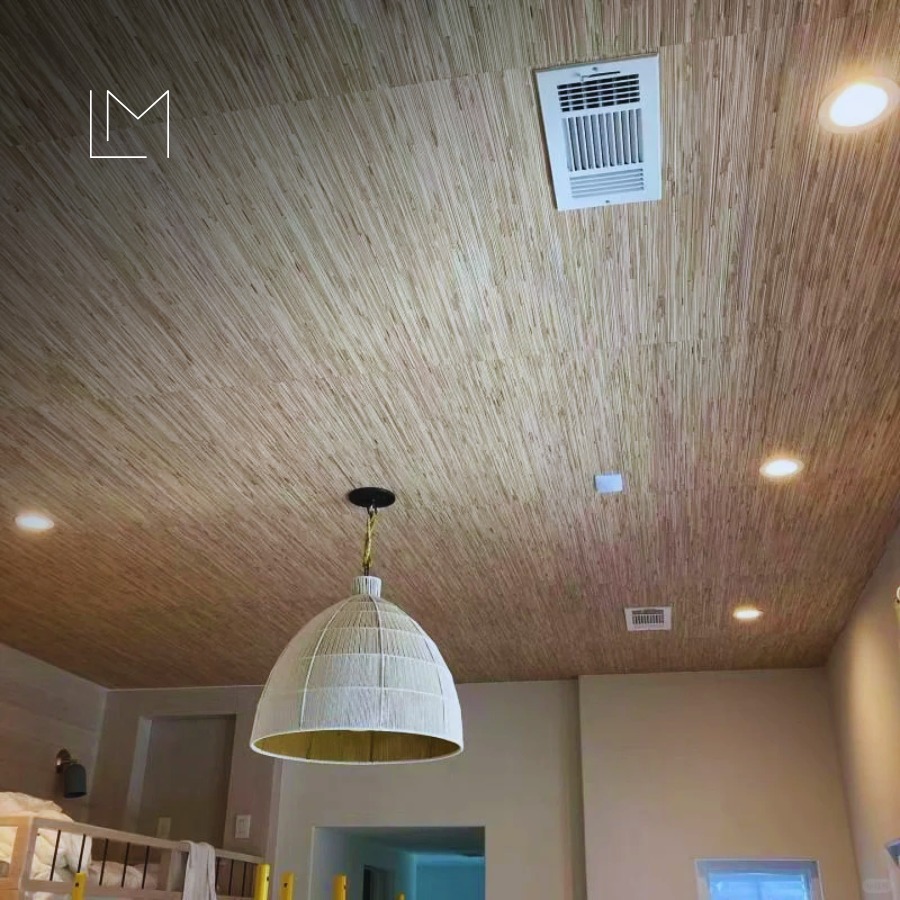
In addition to its beauty, grasscloth wallpaper provides practical benefits such as gentle thermal insulation and effective soundproofing. It helps reduce noise, making your living space quieter and more comfortable.
Preferred by Interior Designers
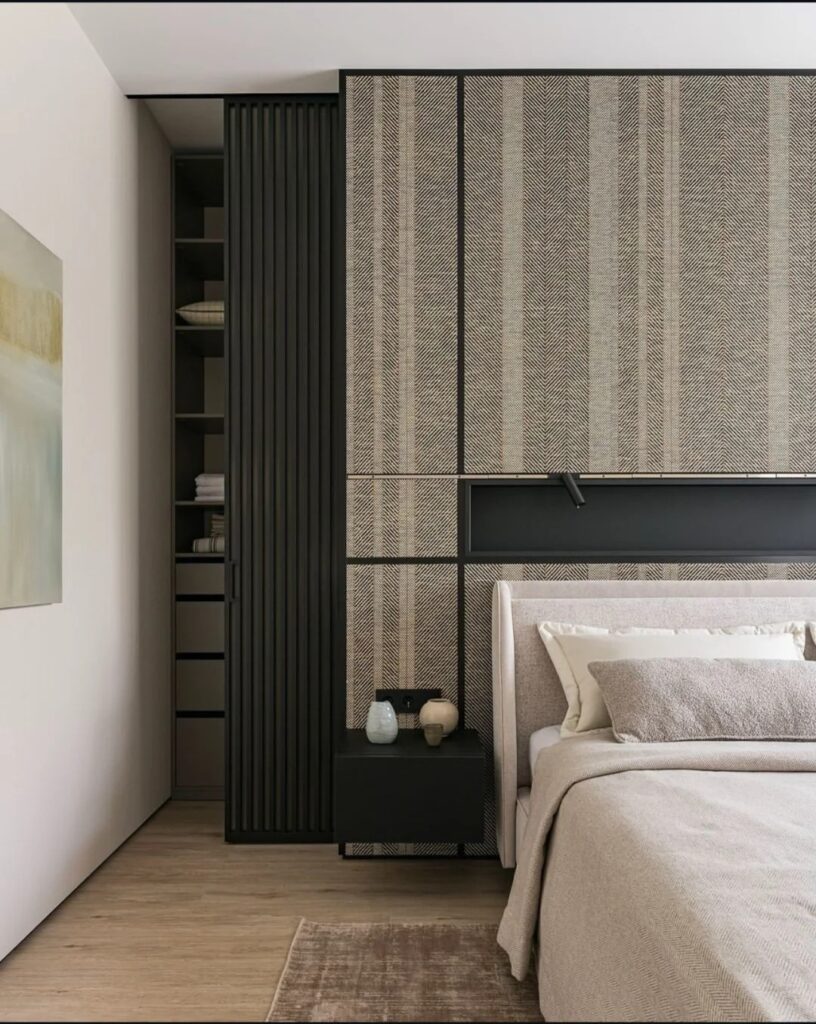
With its timeless beauty and versatility, grasscloth wallpaper has become a top choice among interior designers. Whether for commercial spaces or cozy homes, it is celebrated for its sustainability and its ability to create striking focal points in any room.
Transform your home with grasscloth wallpaper – an eco-friendly solution that blends functionality with aesthetic appeal, creating a harmonious and inviting living space.
What are the pros and cons of grasscloth wallpaper?
Grasscloth wallpaper is a popular option for those seeking a blend of natural beauty and sustainability in their interior design. However, like any material, it comes with its pros and cons. Here’s a detailed breakdown to help you decide if it’s the right fit for your living space.
Pros of Grasscloth Wallpaper
- Eco-Friendly: Made from natural fibers like jute, hemp, or seagrass, grasscloth wallpaper is a sustainable option for everyone who love to protect enviroment
- Breathability: Its natural composition allows for improved air circulation, reducing the risk of mold and mildew.
- Aesthetic Variety: Available in a wide range of textures, colors, and patterns, grasscloth wallpaper can suit diverse interior styles, from rustic to modern.
Cons of Grasscloth Wallpaper
- Challenging Application and Removal: Installing and removing grasscloth wallpaper requires precision and patience, often best handled by professionals.
- Limited Durability: It is more prone to wear and tear compared to other wallpaper types.
- Sensitivity to Humidity: Grasscloth is not moisture-resistant, making it unsuitable for humid spaces like bathrooms or kitchens.
- Not Ideal for High-Traffic Areas: Its delicate texture can be easily damaged in areas with frequent activity or heavy use.