Rattan & Natural Fiber Materials in the Turkey Market
Turkey’s demand for rattan materials is shaped by a market identity that no other country in this series shares — a cross-continental manufacturing and distribution hub that simultaneously produces furniture for European buyers, supplies hospitality interiors for one of the world’s largest tourism economies, and acts as a trade bridge connecting natural fiber materials supply from Asia to markets across the Middle East and Eastern Europe. Natural fiber materials Turkey’s furniture manufacturers, hospitality designers, and distribution intermediaries source operate at the intersection of EU production standards, Mediterranean design culture, and the logistical advantages of a country positioned between two of the world’s most significant consumer markets.
Natural Fiber Materials in Turkey – A Cross-Regional Manufacturing Hub
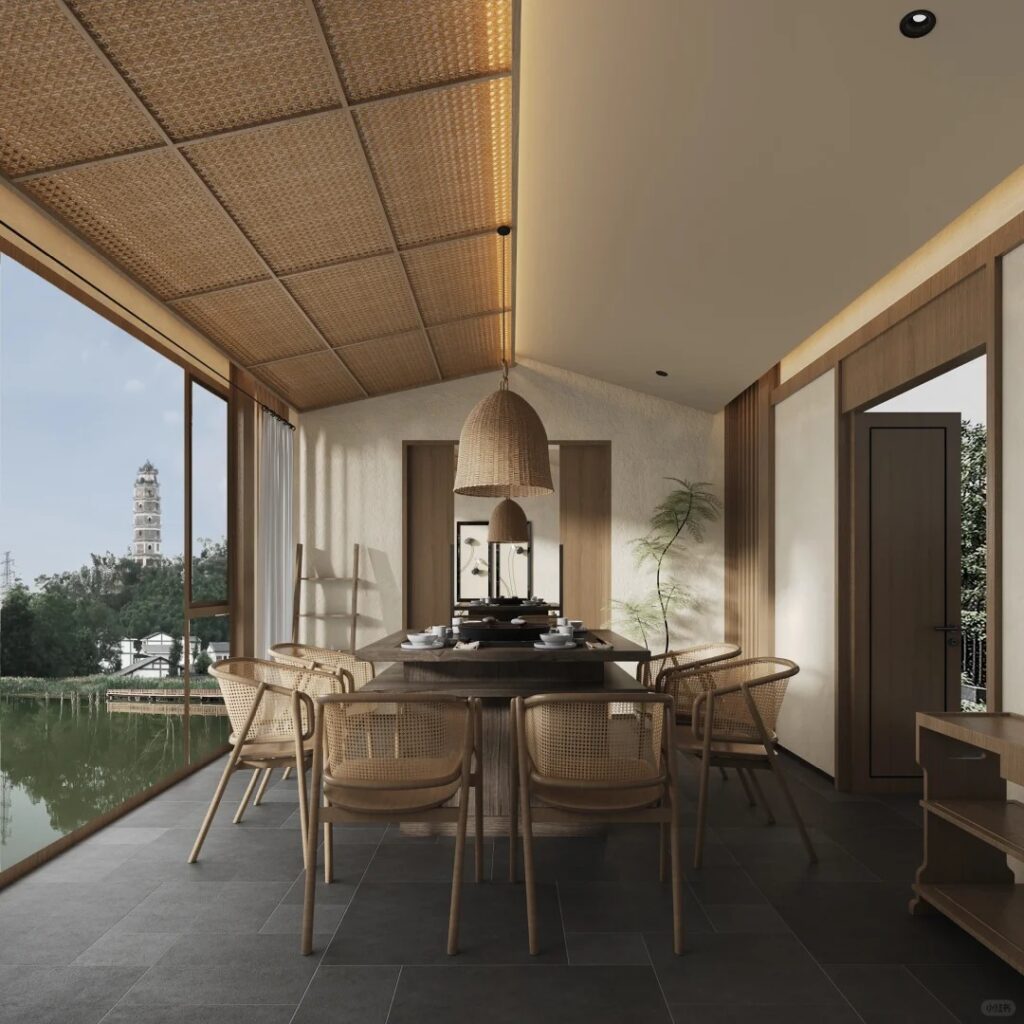
Turkey is not a single-axis market — and rattan materials Turkey’s sourcing diversity reflects this. The rattan materials Turkey’s furniture and interior sectors generate demand for serve three distinct but interconnected market functions: export furniture manufacturing for European buyers, hospitality and tourism interior supply for one of the world’s most visited destinations, and regional redistribution of materials to Middle Eastern and Central Asian markets.
The cane webbing Turkey market reflects this complexity — furniture manufacturing clusters in Istanbul, Bursa, and Kayseri source woven natural panels as inputs for EU-exported chair and cabinet programs; resort developers in Antalya and Bodrum specify natural woven materials for boutique hotel fit-outs; and Turkish distributors supply natural fiber materials onward to Gulf and regional buyers who access global supply through Turkish trade networks.
Core Industries Driving Rattan Materials Demand in Turkey
Export-Oriented Furniture Manufacturing
Furniture manufacturing Turkey’s production economy has developed into a significant regional and EU-facing industry, with large-scale factories in Istanbul, Bursa, Ankara, and Kayseri producing OEM and branded furniture for European retail clients and Middle Eastern project buyers. Export furniture materials Turkey’s manufacturing sector incorporates — cane-backed dining chairs, wardrobe panel inserts, cabinet door cane webbing, and decorative bedroom furniture with natural material facing — must meet the specification standards of EU and regional buyers who approve materials at the product development stage. Turkey’s Customs Union relationship with the EU gives Turkish-manufactured furniture tariff-free access to EU markets, making Turkey a cost-competitive alternative to EU-internal manufacturing for a range of mid-market and contract furniture programs.
Hospitality & Tourism Development
Turkey’s hospitality sector is one of the most structurally significant demand channels for hospitality interior materials Turkey’s design and procurement market generates. As one of the world’s top ten most-visited countries, Turkey has invested heavily in resort, boutique hotel, and heritage hospitality development across Antalya, Bodrum, Cappadocia, and Istanbul. These properties specify rattan furniture material Turkey’s hospitality designers source for lounge seating, room headboard panels, restaurant interior partitions, ceiling accent installations, and decorative feature walls — applications that benefit from the visual warmth, material authenticity, and cultural compatibility of natural woven surfaces within Turkey’s distinctive Mediterranean-Ottoman design context.
Residential Modernization & Urban Growth
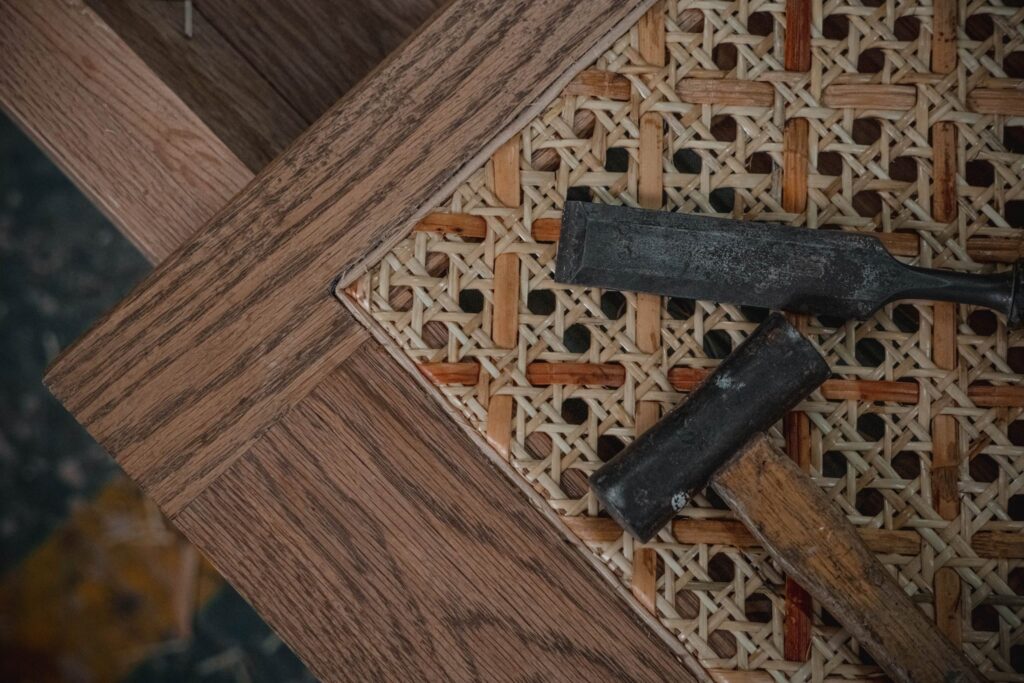
Turkey’s major urban centres — Istanbul, Ankara, and Izmir — are generating growing residential renovation demand for natural fiber materials Turkey’s domestic interior market specifies for apartment upgrades, modern housing developments, and mid-income residential renovation projects. Cabinet door inserts with cane webbing, accent wall panels, and rattan furniture material Turkey’s urban interior designers specify — from cane cabinet inserts to natural partition screens — is increasingly sourced by Turkish interior designers working on residential projects where the combination of warm natural texture and contemporary spatial planning creates the material balance that urban Turkish homeowners seek.
Regional Re-Export & Distribution Role
Turkey’s geographic position between Europe, the Middle East, and Central Asia gives it a distribution function that extends natural fiber material demand beyond purely domestic consumption. Turkish distributors and trading companies supply wholesale cane webbing Turkey’s re-export market routes to Gulf states, Central Asian markets, and Eastern European countries that access global natural material supply through Turkish trade infrastructure. This re-export demand creates a layer of sourcing activity in Turkey that mirrors — but is distinct from — the domestic manufacturing and residential demand that drives the country’s primary market.
Natural Fiber Material Applications in Turkish Projects
Rattan materials Turkey’s manufacturing, hospitality, and residential sectors incorporate serve specific and distinct roles across the country’s diverse demand landscape:
Cane Webbing
- Dining chair backs and seats — the dominant cane webbing Turkey market application in export furniture manufacturing, produced for EU and regional buyers
- Wardrobe sliding door and cabinet inserts — incorporated into Turkish-manufactured bedroom and storage furniture for domestic and export markets
- Decorative partitions and screens — specified in Turkish residential renovation and boutique hospitality interior projects
Rattan Core
- Structural reinforcement and frame binding — used in Turkish furniture factories for chair leg, arm, and frame finishing on export production pieces
- Decorative edging and frame detail — applied by Turkish furniture makers to add natural material texture to contemporary and traditional furniture designs
Rattan Mats
- Hospitality feature panels — flat woven rattan installed in resort hotel rooms, restaurant ceilings, and boutique hotel feature walls across Turkey’s tourism corridor
- Interior wall cladding — specified in residential renovation and commercial interior projects in Istanbul and Ankara for natural surface texture
Grasscloth Wallpaper
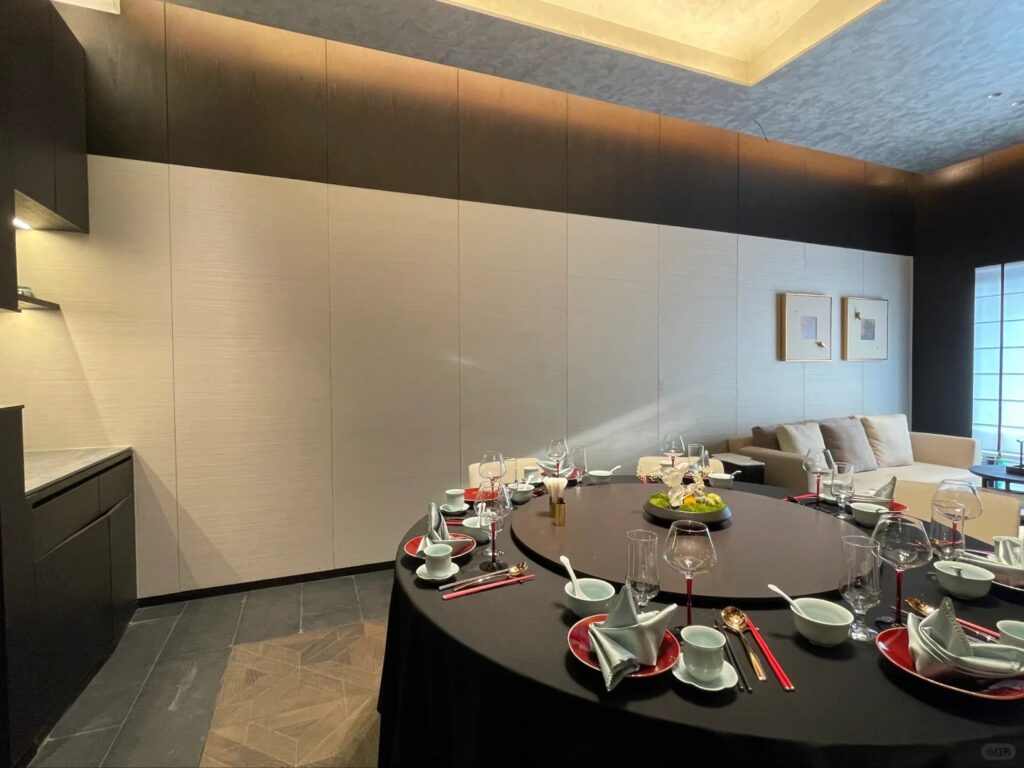
- Boutique hotel rooms and corridors — specified across Turkey’s hospitality sector for natural wall texture that complements the Mediterranean-heritage interior aesthetic
- Contemporary residential feature walls — used by Istanbul and Izmir interior designers in premium apartment renovation projects
Turkish Design & Aesthetic Influences for Natural Materials
Turkey’s interior design identity is a genuine hybrid — one that blends Mediterranean warmth, Ottoman decorative heritage, and contemporary European minimalism in proportions that vary by project type and regional context. Rattan furniture material Turkey’s design community works with operates within this layered aesthetic as a material that bridges the organic warmth of Mediterranean material traditions and the clean-lined precision of contemporary European interiors. Natural woven surfaces soften the stone, marble, and heavy wood surfaces that characterise traditional Turkish architectural interiors; they introduce lightweight texture into the glass-and-white schemes of contemporary Istanbul apartment renovations; and they provide material authenticity in resort hospitality contexts where guests expect an environment that references the natural warmth of the Mediterranean landscape.
Turkey differs meaningfully from its regional peers in design orientation. Unlike South Korea’s trend-sensitive minimalism or France’s refined luxury aesthetic, Turkey’s natural material demand is shaped by the coexistence of multiple design registers within a single national market — ornate heritage-influenced hotel lobbies sitting alongside minimalist urban apartments, Mediterranean resort interiors operating alongside contemporary urban commercial fit-outs. Natural fiber materials — including cane webbing Turkey market designers and manufacturers specify — must perform credibly across all of these contexts, which reinforces the value of consistent material quality and surface versatility across finish options.
Key Regional Demand Clusters Across Turkey
Istanbul — Manufacturing, Trade & Design Hub
Istanbul concentrates Turkey’s furniture manufacturing output, its most active interior design studio community, and its function as the country’s primary trade hub for imported natural materials. The city generates demand for rattan materials Turkey’s largest market creates across all three sectors simultaneously — factory production, residential specification, and distribution — making it the single most significant demand node in the Turkish natural materials market.
Bursa & Kayseri — Furniture Production Centres
Bursa and Kayseri are Turkey’s most significant regional furniture manufacturing clusters outside Istanbul, producing export-grade furniture for EU and Middle Eastern buyers. Furniture manufacturing Turkey’s Bursa and Kayseri regions generate creates consistent demand for natural woven material inputs — particularly wholesale cane webbing Turkey’s production facilities source for chair and cabinet programs destined for European retail distribution.
Antalya & Bodrum — Resort Hospitality Demand

Turkey’s Mediterranean resort corridor — running from Bodrum through Marmaris to Antalya — generates the country’s strongest hospitality interior materials demand. Boutique hotel developers, luxury villa projects, and resort property operators across this coastline consistently specify natural woven materials — rattan mat ceiling panels, cane-backed seating, and grasscloth wallpaper feature walls — for properties where Mediterranean material warmth is a design requirement.
Cappadocia & Istanbul — Heritage Hospitality
Cappadocia’s cave hotel and heritage boutique hospitality properties, alongside Istanbul’s historic district boutique hotel developments, create demand for natural fiber materials that reinforce the cultural and architectural character of heritage property interiors — where natural, handcrafted material surfaces are architecturally appropriate and commercially valued by international guests.
Import & Supply Landscape for Natural Fiber Materials in Turkey
Turkey has no significant domestic rattan production — rattan, cane, jute, sisal, and seagrass are entirely imported. The country’s furniture manufacturing sector sources natural woven materials from Southeast Asian producers, and Turkey’s Customs Union relationship with the EU means that import documentation requirements align closely with EU standards — phytosanitary certification, certificates of origin, and HS code compliance are standard expectations for natural plant-based material imports. Turkey’s role as a regional re-export hub also means that natural fiber materials entering through Istanbul’s logistics infrastructure are often redistributed onward, requiring supply chain documentation that supports multiple-destination export compliance.
Compliance & Sustainability Alignment in the Turkish Market
Turkey’s sustainability orientation in natural material sourcing is trade-driven rather than consumer-led — shaped primarily by the requirements of European export buyers who increasingly demand renewable material credentials and supply chain documentation as part of product compliance frameworks. Turkish furniture manufacturers exporting to EU markets are adapting their material sourcing to meet these requirements, and natural fiber materials Turkey’s export sector specifies — rattan, cane, bamboo, and natural woven panels — carry the renewable, plant-based, biodegradable credentials that EU sustainability frameworks recognise. For Turkish manufacturers competing for EU contract furniture programs, the ability to document natural material sourcing to EU compliance standards is becoming a market access requirement rather than a differentiating advantage.
Why Consistent International Supply Matters for Turkey’s Market
For Turkey’s export furniture manufacturers, hospitality interior contractors, and regional distribution intermediaries, the consistency of natural woven material supply is a competitive requirement with implications across multiple markets simultaneously. Export furniture materials Turkey’s manufacturers supply to European buyers must incorporate consistent cane webbing and rattan core quality that meets EU buyer specification standards. Hospitality interior materials Turkey’s resort and boutique hotel sector sources must arrive on schedule to fit-out project timelines that cannot accommodate material delays. Regional distributors re-exporting natural fiber materials to Gulf and Eastern European markets require supply chain documentation that supports onward export compliance.
For Turkish buyers exploring consistent natural fiber material supply:
- Wholesale Rattan Cane Webbing — furniture-grade cane webbing for export chair and cabinet production and residential interior applications
- Wholesale Rattan Core — diameter-sorted binding material for furniture frame finishing in Turkish production facilities
- Wholesale Rattan Mats — flat woven panels for resort hospitality, residential, and commercial interior applications
- Wholesale Grasscloth Wallpaper — commercial-grade natural fiber wallpaper for boutique hotel and premium residential projects
Supporting Turkey’s Manufacturing & Cross-Regional Trade
Turkey’s demand for rattan materials — with rattan materials Turkey’s cross-regional market spanning export furniture manufacturing, one of the world’s most active hospitality tourism sectors, a growing urban residential renovation market, and a regional re-export distribution function — represents a market where supply consistency, documentation reliability, and the flexibility to serve multiple demand contexts simultaneously are the primary criteria for international natural fiber material partnerships. Natural fiber materials Turkey’s manufacturers and distributors source feed into supply chains that extend from European retail shelves to Middle Eastern hotel properties, making material quality a factor with genuinely cross-regional commercial implications.