Saudi Arabia’s demand for rattan materials is being shaped by one of the most ambitious built environment transformation programs in the world. The Kingdom’s Vision 2030 tourism and hospitality strategy — driving mega-scale resort developments, luxury hotel pipelines, and high-end commercial real estate across Riyadh, Jeddah, and entirely new destination projects like NEOM and the Red Sea Development — is creating project-scale demand for natural fibre materials Saudi Arabia’s hospitality designers, luxury interior firms, and international specification teams source for large-format interior applications where natural texture, organic warmth, and premium material character are required at volumes and consistency levels that boutique markets rarely demand.
Natural fibre materials Saudi Arabia’s mega-project interior teams incorporate must perform to international luxury hospitality standards while arriving on schedule and in batch-matched quality across developments that may require thousands of square metres of consistent material.
Natural Fibre Materials in Saudi Arabia – A Mega-Scale Luxury Market
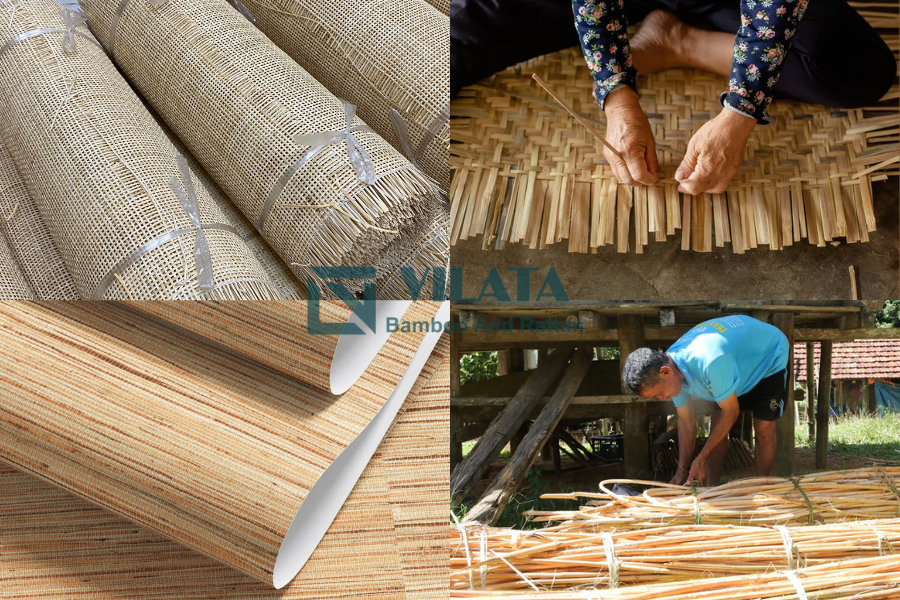
Saudi Arabia is not a natural materials market defined by craft tradition, residential renovation culture, or boutique design sensibility. It is a government-backed, project-scale luxury development market whose demand for rattan materials Saudi Arabia’s hospitality and residential sectors generate is measured in the context of billion-dollar resort developments, luxury compound interior fit-outs, and commercial development pipelines that have no parallel in scale among the markets reviewed in this series.
The cane webbing Saudi Arabia market is characterised by project procurement systems — tender-based material specification, international design firm involvement, and procurement cycles that prioritise delivery reliability and batch consistency over individual product attributes. Luxury interior natural materials KSA developers and hospitality operators specify are selected for their ability to contribute premium natural material character to large-format interiors where organic texture is required as a deliberate design counterpoint to the marble, stone, and metal surfaces that dominate Saudi luxury architecture.
Core Industries Driving Rattan Materials Demand in Saudi Arabia
Hospitality & Resort Development
Hospitality interior materials Saudi Arabia’s tourism expansion is generating represent the country’s primary and most strategically significant demand channel for natural woven materials. Government-backed luxury resort developments, international hotel brand rollouts, desert eco-lodge projects, and coastal tourism infrastructure are all specifying rattan furniture material Saudi Arabia’s hospitality design community sources for lounge seating, decorative ceiling panels, feature wall installations, lobby accent details, and restaurant interior partitions. The scale of individual projects — single resort developments may require natural woven materials for hundreds of rooms simultaneously — creates demand characteristics that have no equivalent in boutique or residential markets: batch colour matching across massive quantities, delivery scheduling aligned to construction timelines, and material documentation that satisfies international luxury hospitality brand specification requirements.
Luxury Residential Compounds
Saudi Arabia’s gated luxury residential communities, high-end villa compounds, and premium apartment developments generate consistent demand for rattan materials Saudi Arabia’s luxury residential market sources for wardrobe panel inserts, decorative room partitions, custom cabinetry facing, and natural material accent walls. These high-specification residential projects — developed for affluent Saudi nationals and expatriate professional communities — are typically specified by international interior design firms working to standards that require premium natural material inputs at project scale.
Commercial & Retail Interiors
Saudi Arabia’s luxury retail environment — concentrated in Riyadh’s premium mall developments, Jeddah’s waterfront commercial complexes, and the mixed-use real estate programs that are reshaping the Kingdom’s urban commercial landscape — generates demand for natural fibre materials in large-format commercial interior applications. Cane webbing Saudi Arabia market specification teams source for these environments introduces visual warmth and organic material character into marble and stone-heavy luxury retail spaces where hard surfaces dominate and organic material references create deliberate sensory contrast that signals premium positioning.
Architectural & Interior Specification Firms
Large international architecture and interior design firms — operating within Saudi Arabia’s project-based procurement systems on mega-scale developments — represent a significant demand channel for cane webbing Saudi Arabia market specification buyers source through tender and project procurement processes. These firms specify materials to technical standards that must be consistently supplied across project phases, requiring natural fibre material suppliers to provide batch certification, material specification documentation, and delivery scheduling aligned to construction program milestones.
Natural Fibre Material Applications in Saudi Development Projects
Rattan materials Saudi Arabia’s hospitality, residential, and commercial sectors specify serve precise roles within large-format luxury interior programs:
Cane Webbing
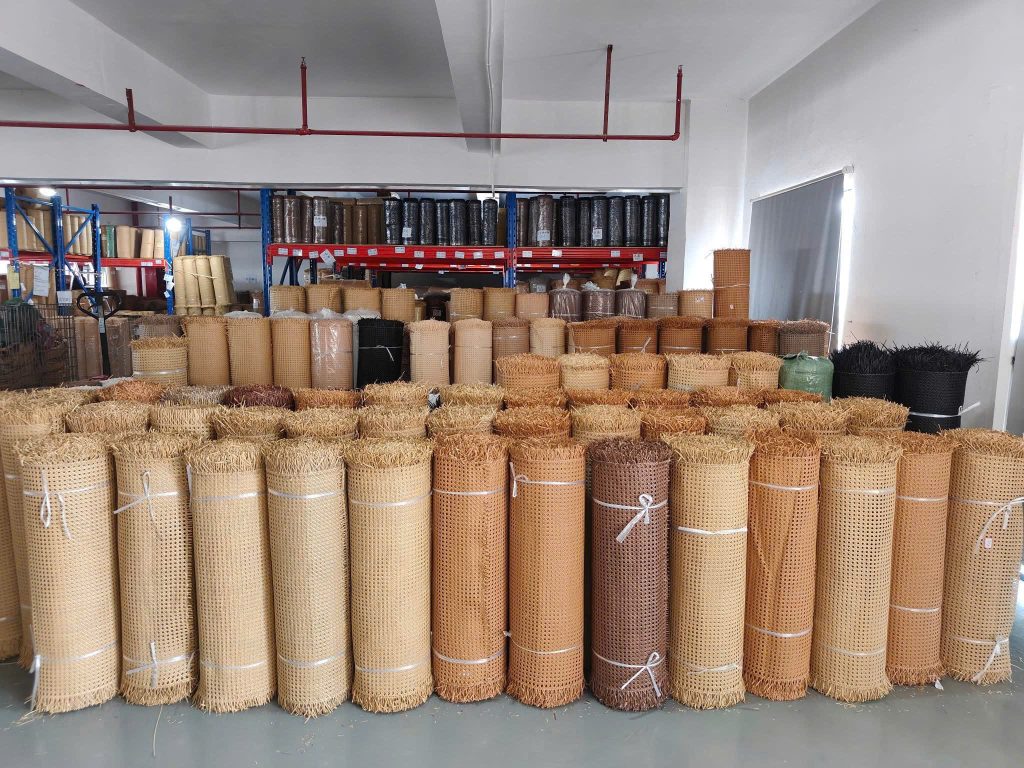
- Restaurant and hotel lounge seating — cane-backed dining chairs and lounge seating panels specified across Saudi luxury hospitality food and beverage and lobby environments
- Hotel room furniture — headboard panels and wardrobe door inserts specified in luxury hotel room fit-outs across Riyadh, Jeddah, and resort destination developments
- Reception and lobby accent details — decorative cane webbing panels used as visual texture elements within large-scale hotel lobby and reception interior schemes
Rattan Core
- Custom furniture frame reinforcement — structural binding applied to bespoke furniture pieces commissioned for luxury residential and hospitality projects
- Decorative panel binding — used in custom-made interior feature panels where natural material edge finishing contributes to premium material quality
Rattan Mats
- Resort ceiling feature installations — flat woven rattan mat panels installed across large ceiling areas in resort villas, beach clubs, and outdoor dining facilities
- Wall cladding in luxury hospitality spaces — specified for feature wall applications in resort suite interiors and boutique hotel room design
Grasscloth Wallpaper
- Luxury hotel room and corridor feature walls — grasscloth wallpaper Saudi Arabia’s luxury hospitality procurement teams specify for natural wall texture across large room counts
- Private villa interior walls — specified in luxury compound and high-end residential development interior programs for premium natural wall covering
- Luxury office interiors — used in premium commercial space fit-outs where natural material texture creates warmth within otherwise hard-surface environments
Saudi Design Trends & Aesthetic Context for Natural Materials
Saudi Arabia’s luxury interior aesthetic is defined by grandeur, scale, and the visual impact of premium material combinations — a design orientation fundamentally different from France’s refined boutique elegance, Germany’s functional precision, or Singapore’s compact urban minimalism. Contemporary Arabian interior design — the dominant luxury residential and hospitality aesthetic in the Kingdom — blends neutral sand and earth tones, high-contrast stone and wood surface combinations, and the architectural vocabulary of modern Arabian spatial design with premium international interior specification standards. Natural woven materials occupy a specific role in this aesthetic: they introduce organic texture and material warmth as deliberate counterpoints to the marble, polished stone, and metal surfaces that characterise Saudi luxury architecture at scale.
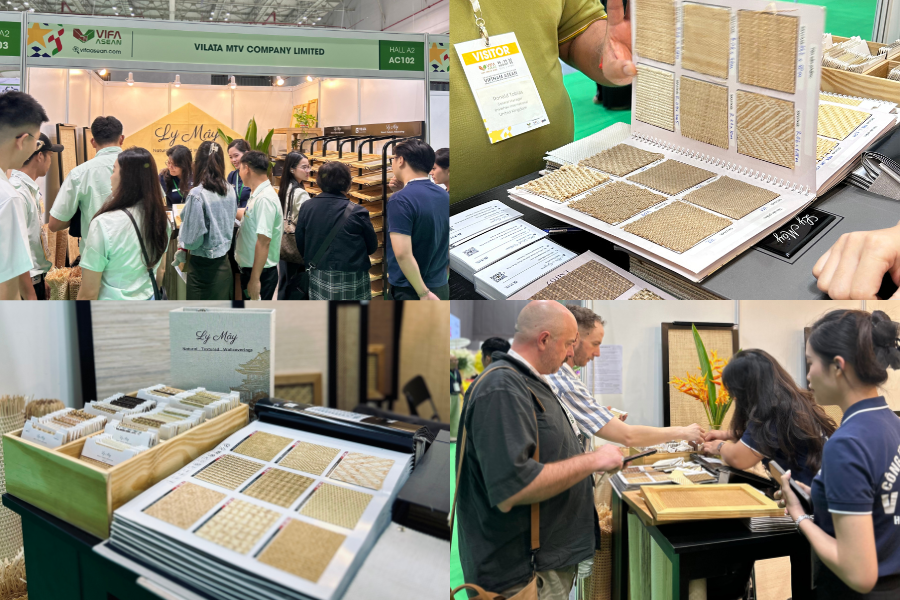
Luxury interior natural materials KSA design teams incorporate — rattan furniture material Saudi Arabia’s hospitality and residential interior firms specify — must balance visual presence with material restraint. In large-format luxury interiors, a single natural material element must contribute meaningfully to the spatial composition without overwhelming the architectural scale or competing with the primary material palette. Rattan mat ceiling installations, cane webbing accent panels, and grasscloth feature walls perform this function in Saudi luxury projects — introducing organic warmth at the material detail level within schemes that operate at architectural grandeur.
Regional Development Patterns Across Saudi Arabia
Riyadh — Government Mega Projects & Commercial Growth
Riyadh is the centre of Saudi Arabia’s government-backed mega-project development pipeline — including Diriyah Gate cultural and hospitality development, luxury hotel and mixed-use real estate programs across the CBD, and the residential compound developments that house the Kingdom’s growing professional and expatriate population. Demand for rattan furniture material Saudi Arabia’s capital generates from specification-level hospitality and residential projects is among the most significant in the region.
Jeddah — Coastal Luxury & Resort-Style Interiors
Jeddah’s Red Sea coastline development — including luxury resort hotels, beachfront residential compounds, and the Jeddah waterfront commercial district — generates hospitality interior materials demand oriented toward the resort-style aesthetic that coastal luxury development favours. Natural woven materials are consistently specified in Jeddah’s coastal luxury projects for their material compatibility with sea-facing, high-ambient-light interior environments.
NEOM & Red Sea Project — Future-Scale Eco-Tourism
NEOM and the Red Sea Project represent Saudi Arabia’s most ambitious and internationally significant hospitality and tourism development programs — projects that are defining a new luxury eco-tourism and sustainable resort development model at unprecedented scale. The Red Sea Project’s commitment to eco-certified resort development creates explicit demand for natural, renewable interior materials that meet international sustainability certification standards — a context in which natural woven rattan and grasscloth wallpaper Saudi Arabia’s Red Sea project specification teams source carry both aesthetic and material compliance value.
Import & Supply Landscape for Natural Fibre Materials in Saudi Arabia
Saudi Arabia produces no natural fibre materials domestically — rattan, cane, jute, sisal, and bamboo are entirely imported. The Kingdom’s project-based procurement model means that natural fibre materials are sourced within large specification and tender systems rather than through ongoing retail supply chains. Hospitality interior materials Saudi Arabia’s mega-project procurement teams source typically involves advance specification, sample approval, batch certification, and phased delivery scheduling aligned to construction programs that may span multiple years. For international natural fibre suppliers, Saudi Arabia’s procurement model rewards suppliers who can demonstrate batch consistency documentation, project delivery track records, and the export compliance capability to supply materials that meet international luxury hospitality brand specification standards.
Sustainability & Vision 2030 Alignment
Saudi Arabia’s Vision 2030 tourism strategy places explicit emphasis on eco-tourism, sustainable resort development, and green building certification for major hospitality projects — particularly within the Red Sea Project and NEOM’s Sindalah and Aqaba developments. This government-level sustainability commitment creates specification-level demand for natural, renewable interior materials that can be documented to international eco-certification standards. Natural fibre materials Saudi Arabia’s eco-resort and green-certified hospitality projects specify — rattan, bamboo, and grasscloth — carry renewable material credentials that align with Saudi Arabia’s strategic eco-tourism positioning and international luxury hospitality brand sustainability requirements. Unlike Canada’s consumer eco-culture or Germany’s industrial compliance framework, Saudi Arabia’s sustainability orientation is strategic and top-down — driven by national development objectives rather than consumer preference.
Why Consistent International Supply Matters for Saudi Arabia’s Projects
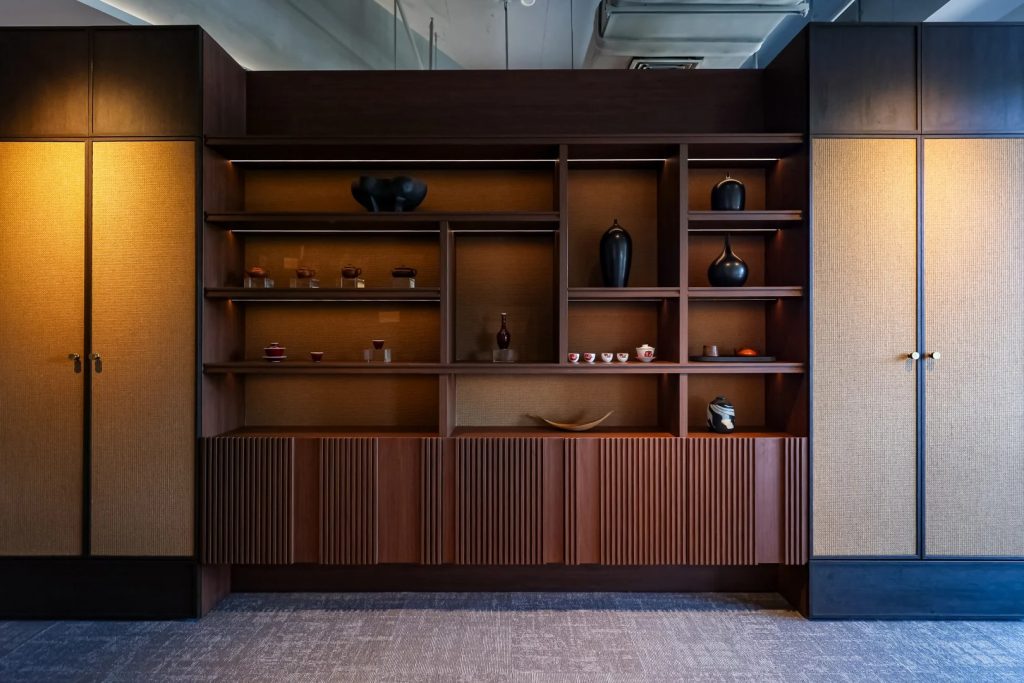
For Saudi Arabia’s mega-project hospitality developers, luxury residential compound operators, and international interior specification firms working within the Kingdom’s development pipeline, the consistency of natural fibre material supply is a project delivery critical path issue. Rattan materials Saudi Arabia’s large-scale projects specify must arrive batch-matched across thousands of square metres, documented to the specification standards of international luxury hospitality brands, and scheduled to align with construction program milestones that cannot accommodate material delays. A single inconsistent batch across a 500-room hotel fit-out creates visible quality discrepancy that luxury hospitality brands — whose brand standards define acceptable material performance — will not accept.
For Saudi buyers exploring consistent natural fibre material supply:
- Wholesale Rattan Cane Webbing — furniture-grade cane webbing for large-scale hospitality seating and residential interior applications
- Wholesale Rattan Mats — flat woven panels for resort ceiling, wall, and feature installation applications at project scale
- Wholesale Grasscloth Wallpaper — commercial-grade natural fibre wallpaper for luxury hotel, residential, and commercial interior programs
Supporting Saudi Arabia’s Hospitality & Development Sector
Saudi Arabia’s demand for rattan materials — with rattan materials Saudi Arabia’s development sector anchored in one of the world’s most ambitious luxury hospitality and tourism development programs, a large-scale luxury residential sector, and a commercial interior market driven by government-backed mega-project investment — represents a sourcing environment where project-scale consistency, batch certification, delivery reliability, and documentation to international luxury brand standards are the defining criteria for natural fibre material supply partnerships. Natural fibre materials Saudi Arabia’s development sector depends on must perform at the specification standard of international luxury hospitality brands at volumes that no other market in this series demands.