Rattan & Natural Fiber Materials in the United States Market
The rattan materials United States market has evolved from a niche sourcing segment into a critical supply chain for furniture makers, interior designers, and commercial project developers. As demand for natural textures and sustainable materials continues to rise, rattan-based products are no longer limited to traditional restoration work but are now widely specified in modern furniture production and high-end interior design. Understanding how rattan materials fit into the U.S. market landscape — from applications to supply dynamics — is essential for both buyers and international exporters looking to build long-term, stable partnerships.
Natural Fiber Materials in the U.S. – A Growing Market
The United States market for rattan materials has expanded steadily over the past decade, driven by a broad shift in residential and commercial interior design toward organic textures, natural surfaces, and tactile materials. Natural fiber materials US designers and furniture makers specify — rattan cane webbing, grasscloth wallpaper, rattan mats, and rattan core — have moved from niche restoration supply into mainstream furniture production and high-end interior specification. This shift reflects deeper changes in consumer preference: away from plastic-laminate surfaces and machine-made synthetics, and toward materials that carry visible craft, natural variation, and environmental credibility.
The cane webbing USA market, in particular, has seen renewed interest from both traditional furniture restorers and a new generation of furniture designers who specify woven rattan panels as a primary design element — not a restoration material. Grasscloth wallpaper has followed a parallel trajectory, moving from period-home applications into boutique hospitality and luxury residential projects nationwide.

Key Industries Driving Rattan Materials Demand in the United States
Furniture Manufacturing
Small and mid-size furniture workshops, boutique furniture brands, and custom cabinetry makers represent the largest and most consistent demand segment for rattan materials United States buyers operate in. American furniture makers sourcing natural woven panels for chair seats and backs, cabinet door inserts, and decorative accents require material that performs consistently across production runs — where weave density, surface quality, and dimensional accuracy directly affect finished product quality. Custom cabinetry makers, in particular, have driven strong growth in demand for fine weave cane webbing and rattan mat panels as cabinet insert materials.
Furniture Restoration & Repair
The U.S. antique and vintage furniture restoration sector is one of the most active markets for cane webbing USA sourcing. Period American dining chairs, parlor chairs, and settees from the 19th and early 20th centuries were extensively woven with natural cane, and replacement panels are in consistent demand as these pieces circulate through estate sales, antique dealers, and restoration workshops. The growth of the DIY furniture repair movement — accelerated by the upcycling trend — has also expanded demand for furniture restoration materials USA consumers can source in smaller quantities for personal restoration projects.
Interior Design & Architecture
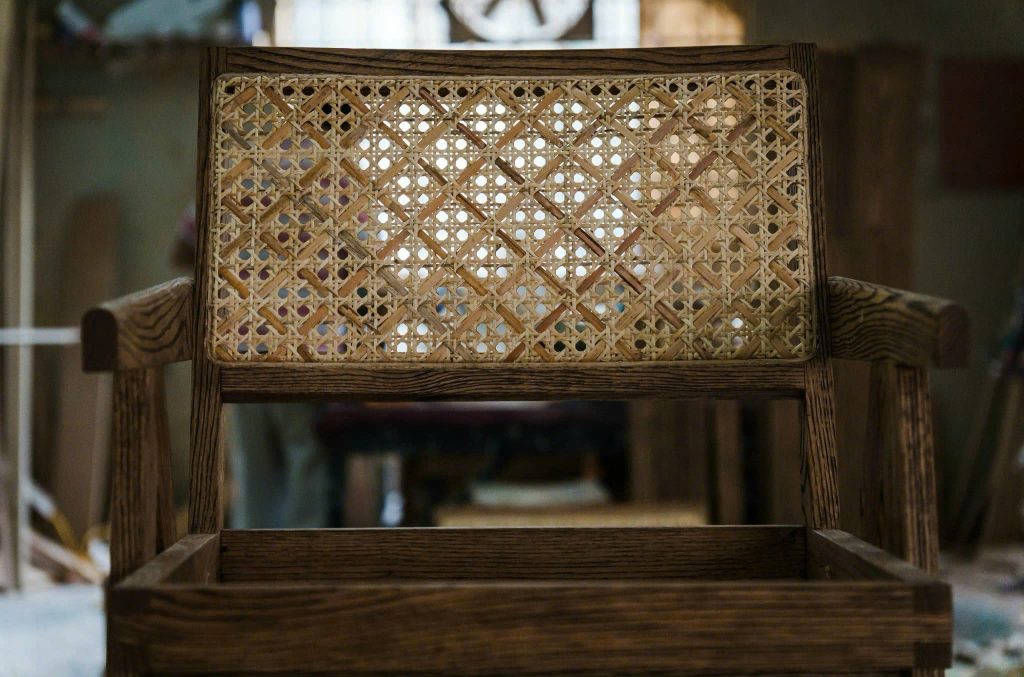
American interior designers and architects specifying interior natural materials United States projects increasingly include rattan cane webbing and rattan mats as accent panel materials: cabinet door inserts in kitchens and living rooms, decorative partitions in commercial spaces, ceiling inset panels, and wall feature installations. The material’s ability to introduce natural texture without bulk or visual weight makes it a practical choice for interiors where warmth and organic character are design objectives without sacrificing the clean lines that contemporary U.S. interior aesthetics favor.
Hospitality & Commercial Projects
Boutique hotels, coastal resorts, farm-to-table restaurants, and wellness facilities across the United States represent a significant and growing demand channel for grasscloth wallpaper US market applications and rattan mat installations. These commercial buyers typically require project-scale quantities, consistent material quality across large runs, and natural materials that perform in higher-traffic environments. The grasscloth wallpaper US market demand from hospitality contractors has grown particularly strongly in coastal states and urban boutique hotel developments, where natural material authenticity is a direct part of the guest experience positioning.
Natural Fiber Material Applications in the U.S. Market
Rattan materials United States buyers source serve distinct functional and decorative roles across furniture, cabinet, wall, and ceiling applications. Understanding how each material is used informs sourcing decisions:
Cane Webbing
- Chair seats and backs — the primary application in the cane webbing USA market, from antique restoration to new production
- Cabinet door panels — increasingly common in kitchen, bedroom, and living room cabinetry as a natural insert alternative to glass or solid wood
- Decorative wall panels — applied in residential accent walls and commercial partition systems
Rattan Core
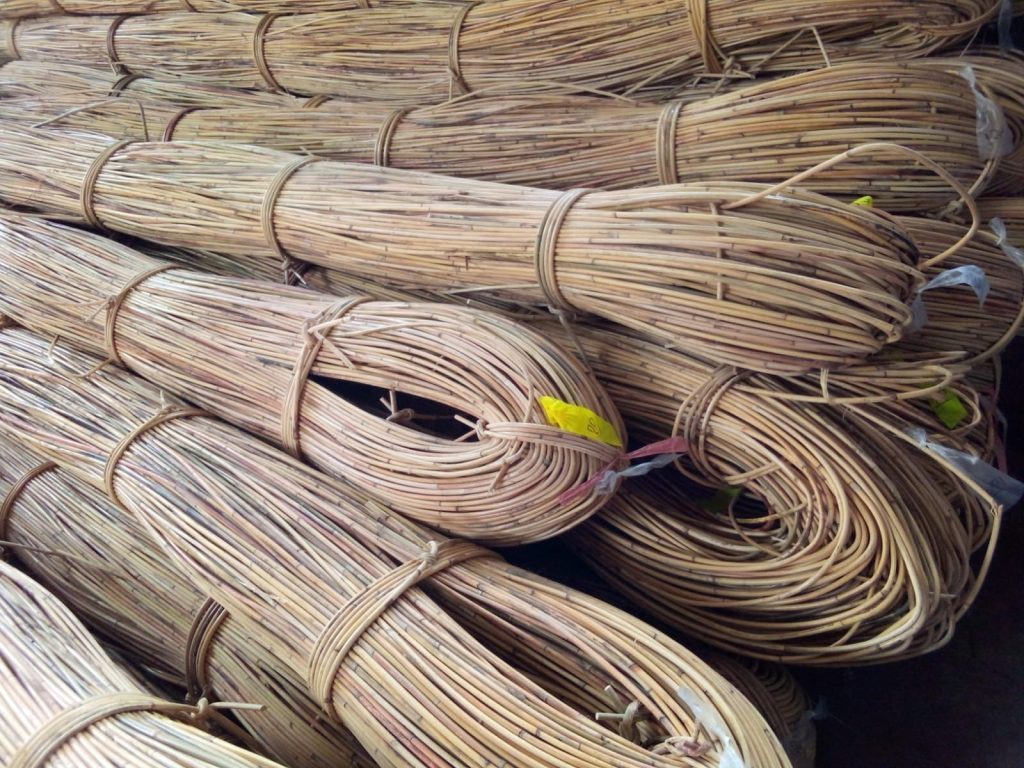
- Frame binding and structural accent — wrapping chair legs, arms, and frame joints in natural fiber
- Edging and finishing detail — applied to furniture edges, headboards, and decorative borders
Rattan Mats
- Ceiling and wall texture installations — flat woven rattan panels applied to architectural surfaces in hospitality and residential projects
- Commercial décor accents — used in retail environments, restaurant interiors, and boutique hotel rooms
Grasscloth Wallpaper
- High-end residential feature walls — primary application in the grasscloth wallpaper US market for luxury and upper-mid residential interiors
- Office and commercial feature walls — used by interior designers specifying biophilic and natural material themes
- Boutique hospitality interiors — hotel lobbies, corridors, and suites where natural material warmth is a design requirement
U.S. Interior Design Trends Driving Natural Fiber Demand
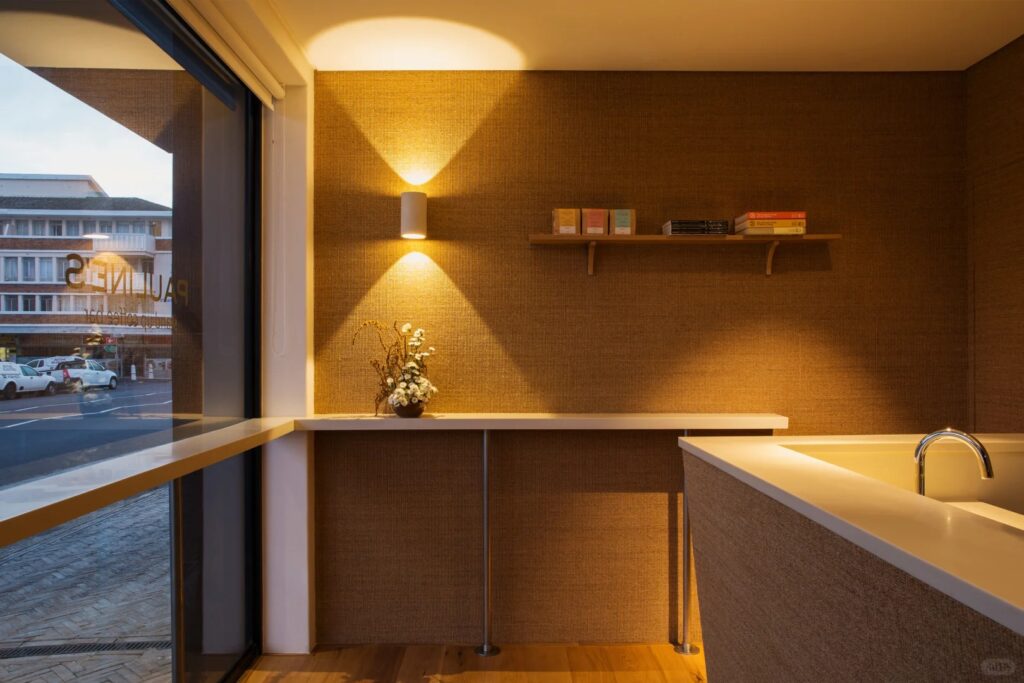
Several dominant interior design movements in the United States actively drive demand for natural fiber materials US designers and buyers specify. Coastal interior style — prevalent across the Southeast, Gulf Coast, and Pacific Coast — relies heavily on rattan, woven panels, and natural textures as core material references. Modern farmhouse, the most searched residential interior style in the U.S. for several consecutive years, incorporates cane webbing cabinet inserts and rattan accent furniture as signature elements.
Scandinavian-influenced minimalism has created demand for bleached and light-tone rattan materials United States interior projects specify for their ability to introduce warmth without visual complexity. The boho and organic contemporary aesthetic — dominant in younger homeowner demographics — treats woven rattan as a primary material, not an accent. Across all of these trend categories, the common thread is a preference for materials that carry visible craft origin and natural variation — qualities that mass-produced synthetic panels cannot replicate.
Regional Demand Patterns Across the United States
West Coast — California & Pacific Northwest
California leads U.S. demand for sustainable and natural interior materials United States designers specify. The state’s strong environmental consciousness translates directly into material sourcing preferences — natural fiber materials US buyers in California specify are increasingly required to carry traceable, sustainable sourcing credentials. The Pacific Northwest market reflects similar values, with a strong independent furniture and interior design sector.
East Coast — Restoration-Heavy Demand
The Northeast and Mid-Atlantic states carry some of the highest concentrations of period American furniture in the country, driving sustained demand for furniture restoration materials USA restorers source to replace damaged or deteriorated cane panels. Historic homes in New England, antique dealer networks in New York, and restoration workshops across the Mid-Atlantic represent a consistent, specialist demand base for natural cane and rattan core.
Southern States — Hospitality & Resort Demand
The Southeast and Gulf Coast states — Florida, Georgia, the Carolinas, and Texas — generate strong demand from the hospitality and resort sector. Coastal resort interiors, boutique hotels, and restaurant groups in these markets are among the highest-volume buyers of grasscloth wallpaper US market supply and rattan mat installations, where the materials’ natural aesthetic aligns with the coastal and tropical design identities these properties project.
Midwest — Furniture Manufacturing Hubs
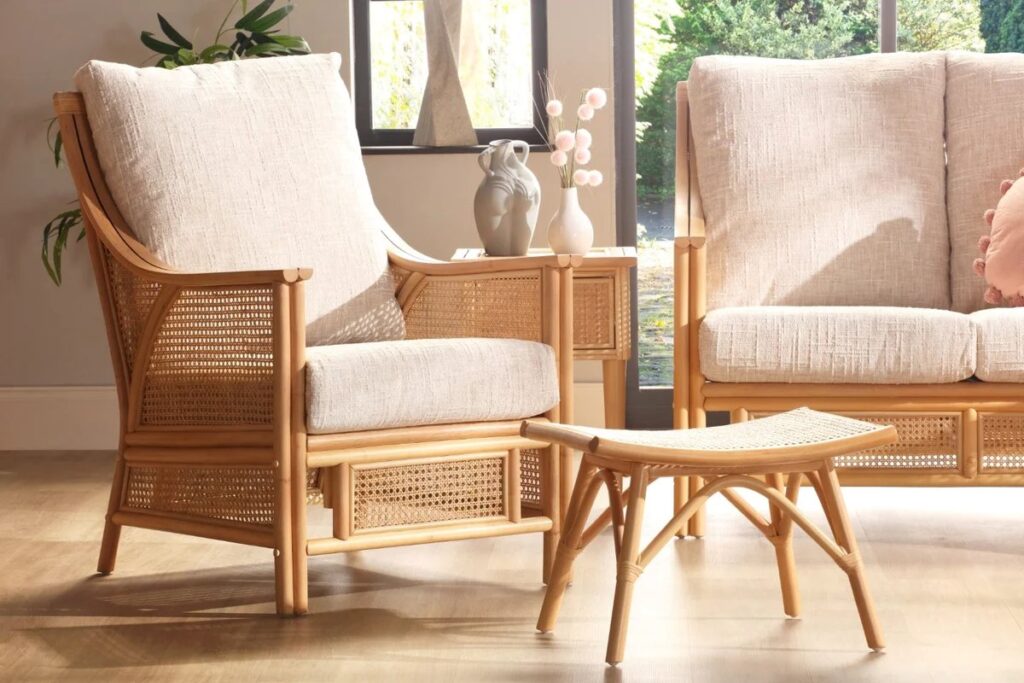
The Midwest contains several significant furniture manufacturing clusters, particularly in Michigan, North Carolina (Piedmont region), and Indiana. These manufacturing hubs generate consistent industrial demand for cane webbing and rattan materials United States furniture producers incorporate into production lines for both domestic sale and export.
The U.S. Import & Distribution Landscape for Natural Fiber Materials
The United States is structurally import-dependent for natural fiber materials — rattan, cane, jute, sisal, and seagrass are not domestically produced. The supply chain for natural fiber materials US buyers access typically flows through an established import and distribution chain: international manufacturer → U.S. importer or distributor → regional wholesaler or direct-to-workshop supply. Each step in this chain introduces lead time, cost, and potential inconsistency. Material consistency across batches — weave density, color, moisture content, and dimensional accuracy — is a quality control challenge that lengthens as supply chains extend. U.S. buyers who work with long chains often encounter batch variation that creates visual inconsistency in finished furniture and interior installations, particularly on large project runs.
Sustainability & Consumer Awareness in the U.S. Natural Materials Market
American consumers and commercial buyers have become increasingly attentive to the environmental credentials of the materials in their furniture and interiors. Rattan, bamboo, jute, sisal, and seagrass are all rapidly renewable resources that regenerate without deforestation — a meaningful advantage over timber-based materials and a significant differentiator from synthetic alternatives. The U.S. furniture market’s growing adoption of natural fiber materials US buyers specify as a sustainability signal reflects broader consumer demand for products with traceable, low-impact material sourcing. For commercial buyers — hospitality groups, LEED-pursuing office developers, and B Corp-committed furniture brands — the ability to document natural material sourcing has moved from a marketing preference to a procurement requirement.
Why Consistent International Supply Partnerships Matter for U.S. Buyers
For U.S. furniture manufacturers, interior contractors, and distributors sourcing rattan materials United States projects require, the quality of the international supply relationship determines the consistency of the finished product. Batch-to-batch variation in weave density, moisture content, or surface finish creates rework, client complaints, and project delays that far outweigh any short-term savings from inconsistent sourcing. Long-term material sourcing partnerships — with manufacturers who provide verified quality control, predictable lead times, and reliable export documentation — give U.S. buyers the supply stability that project-based work and ongoing production programs demand.
For buyers ready to explore natural fiber material supply for U.S. market requirements:
- Wholesale Rattan Cane Webbing — furniture-grade cane webbing for hospitality seating and cabinet applications
- Wholesale Rattan Mats — flat woven panels for hospitality wall, ceiling, and interior accent applications
- Wholesale Grasscloth Wallpaper — commercial-grade natural fibre wallpaper for boutique hotel and residential projects
Partner With a Global Natural Material Exporter for the U.S. Market
The U.S. demand for rattan materials, natural fiber panels, and grasscloth wallpaper continues to grow across furniture manufacturing, interior design, restoration, and hospitality sectors. For international exporters supplying the U.S. market, understanding regional demand patterns, trend drivers, and application requirements is as important as production capacity. Vilata supplies natural fiber materials to U.S. buyers through long-term export partnerships built on material consistency, transparent documentation, and supply reliability.