Rattan & Natural Fiber Materials in the Indonesia Market
Indonesia occupies a position in the global rattan materials ecosystem unlike any other country in this market series — it is simultaneously one of the world’s largest natural rattan producers, a major exporter of rattan furniture to US, European, and Australian markets, and a growing hospitality destination whose Bali villa and eco-resort sector generates significant domestic demand for natural woven interior materials. Understanding the rattan materials Indonesia’s industries produce and source — rattan materials Indonesia generates both as raw processed supply and finished furniture requires recognising this triple role: raw material economy, value-added manufacturing powerhouse, and resort-driven interior design market.
Natural fiber materials Indonesia’s furniture makers, hospitality designers, and domestic interior contractors source operate within one of the most complex and strategically significant natural material ecosystems in Southeast Asia.
Natural Fiber Materials in Indonesia – Raw Material Powerhouse & Manufacturing Hub
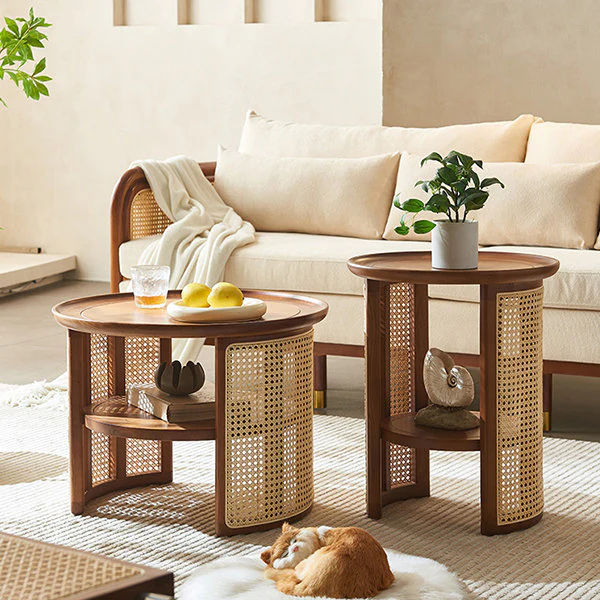
Indonesia’s position in the global rattan materials supply chain is foundational. The country holds some of the world’s largest natural rattan reserves, concentrated across Kalimantan, Sulawesi, and Sumatra, and its rattan processing and furniture manufacturing industries have been built around this raw material advantage. Rattan export Indonesia generates — both as semi-processed material and as finished furniture — flows to buyers across the United States, Europe, Australia, and the Middle East, making Indonesia one of the most significant participants in the global natural fiber trade.
The cane webbing Indonesia market is not a purely import-driven demand story: it reflects a mature domestic processing and manufacturing ecosystem that simultaneously produces for export and consumes processed natural woven materials as inputs for value-added furniture and interior production.
Core Industries Driving Rattan Materials Demand in Indonesia
Rattan Processing & Material Supply
Indonesia’s rattan processing sector — concentrated in Cirebon, which is widely regarded as the global capital of rattan processing and furniture production — forms the foundation of the country’s natural fiber materials ecosystem. Processing facilities convert raw harvested rattan into cane webbing panels, rattan core coils, split rattan, and semi-finished materials that feed both domestic furniture manufacturing and export trade. This processing layer creates a unique demand dynamic: Indonesian furniture manufacturers who could source raw rattan domestically may still source specific processed panel formats — standardised cane webbing sheets, custom weave patterns, or specialised mat configurations — from external suppliers when domestic processing does not supply the exact specification their export buyers require.
Furniture Manufacturing for Export
Furniture manufacturing Indonesia’s export sector has developed into one of the world’s most significant natural furniture production bases. Clusters in Cirebon (rattan furniture), Jepara (wood and hybrid furniture), Surabaya, and Semarang produce cane-backed chairs, outdoor rattan furniture, cabinet insert pieces, and decorative panel furniture for export to the United States, European retail chains, Australian importers, and Gulf project buyers.
Rattan furniture material Indonesia’s export manufacturers produce must meet the specification standards of international wholesale buyers — and the consistency of processed natural woven material inputs at the production stage directly determines whether finished export furniture meets those standards. Rattan export Indonesia generates in finished furniture form represents billions of dollars annually in export value, making the country a critical node in the global natural furniture supply chain.
Hospitality & Resort Development
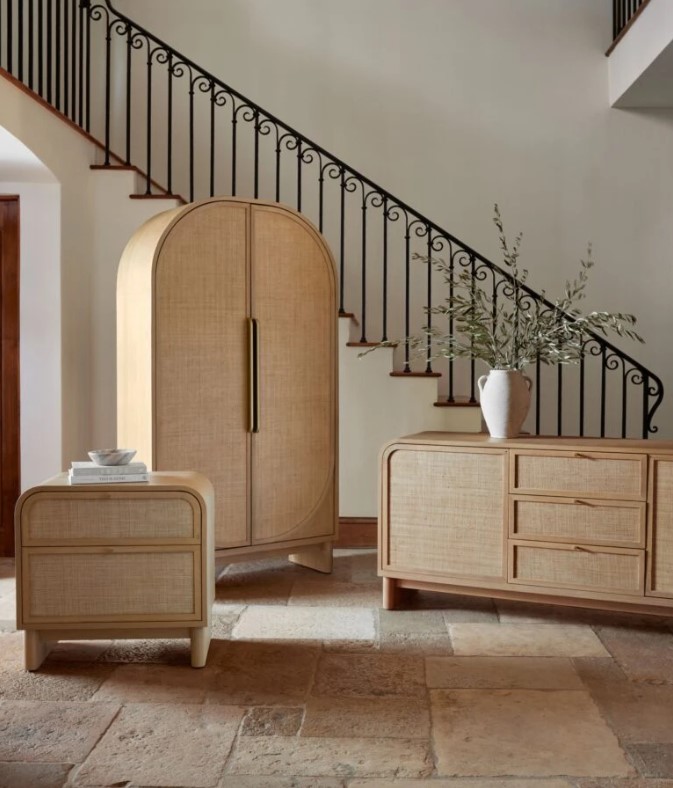
Bali is the most internationally recognised driver of hospitality interior materials Indonesia’s tourism sector generates, and its influence on natural material specification extends far beyond the island’s own hotel and villa pipeline. Luxury villa developments in Seminyak, Ubud, and Canggu; boutique eco-retreats in Nusa Penida and Flores; and the expanding boutique hotel market in Lombok all specify rattan furniture material Indonesia’s hospitality designers source for headboard panels, ceiling accent installations, lounge seating, and decorative room partitions. The Balinese design aesthetic — characterised by organic material layering, tropical architectural openness, and handcraft material reference — treats natural woven surfaces as culturally appropriate and architecturally native rather than decoratively imported.
Domestic Residential Growth
Indonesia’s rapidly urbanising population — concentrated in Jakarta, Surabaya, Bandung, and Medan — is generating growing domestic residential demand for natural fiber materials Indonesia’s middle-class interior market specifies for apartment renovation, modern tropical home design, and the contemporary residential aesthetic that blends Scandinavian-influenced minimalism with Indonesia’s own organic material tradition. Cabinet door inserts from the cane webbing Indonesia market, natural woven accent wall panels, and rattan mat ceiling details are increasingly specified in Jakarta condominium renovation and new residential development interior projects.
Natural Fiber Material Applications in Indonesian Projects
Rattan materials Indonesia’s manufacturing sector and hospitality designers incorporate — rattan materials Indonesia’s production clusters source and process — incorporate serve distinct production and design roles across the country’s diverse demand landscape:
Cane Webbing
- Export dining and lounge chair production — the primary cane webbing Indonesia market application in furniture manufacturing, producing panels for Cirebon and Jepara export factories
- Outdoor and garden furniture — woven cane webbing specified in export furniture production for weather-resistant outdoor application designs
- Cabinet and wardrobe door inserts — used in domestic residential renovation and hospitality interior projects for natural texture panel applications
Rattan Core
- Structural frame reinforcement — used across Indonesia’s furniture manufacturing clusters for chair frame binding, edge finishing, and structural detail in both domestic and export production
- Custom frame detailing in handcraft furniture — applied by Cirebon and Jepara artisan workshops to bespoke furniture pieces for high-end domestic and export buyers
Rattan Mats
- Bali villa headboard and ceiling panels — flat woven rattan mat panels specified across Bali’s hospitality and villa development sector for natural material warmth
- Wall cladding in eco-resort interiors — used in eco-retreat and boutique resort properties across Bali, Lombok, and eastern Indonesia for architectural natural material surface applications
Grasscloth Wallpaper
- Boutique hospitality feature walls — specified in Bali boutique hotels, Jakarta urban hotel projects, and Lombok resort developments for natural wall texture
- Contemporary residential interiors — used by Jakarta and Surabaya interior designers in high-specification apartment renovation projects as natural material wall covering
Indonesian Design Aesthetics & Natural Material Context
Indonesia’s interior design culture is one of the most authentically natural-material-oriented in Southeast Asia — not because natural materials are a design trend, but because they are native to Indonesia’s architectural and craft heritage. Balinese organic design — characterised by open-air spatial layouts, handcraft material layering, warm wood and woven texture combinations, and the integration of natural materials into architectural structure rather than decorative surface — is the most internationally recognised expression of Indonesian design culture, and it treats rattan furniture material Indonesia’s designers and craftspeople work with as a primary building block of interior space rather than a decorative element.
Export furniture design from Indonesia has been shaped by the preferences of US, European, and Australian buyers — with Scandinavian-influenced contemporary styles, clean-line silhouettes with natural material panel inserts, and outdoor rattan furniture designs dominating the export production output of Jepara and Cirebon manufacturers. This export-driven design influence creates a productive tension in the Indonesian market between indigenous craft-led aesthetic values and the international commercial design preferences that its largest export buyers impose. Natural fiber materials Indonesia’s manufacturing and design sectors navigate this tension daily — producing for global markets while maintaining the craft material authenticity that makes Indonesian natural furniture distinctive.
Key Regional Demand Clusters Across Indonesia
Cirebon — Global Rattan Processing Capital

Cirebon is Indonesia’s most significant rattan processing and rattan furniture manufacturing centre — and one of the most strategically important natural fiber materials production nodes in the world. The city’s rattan processing facilities supply semi-finished rattan materials to furniture makers across Indonesia, and its furniture factories produce export-grade rattan furniture for buyers across the United States, Europe, and Australia.
Jepara — Wood & Hybrid Furniture Manufacturing
Furniture manufacturing Indonesia’s Jepara cluster produces wood furniture and hybrid wood-rattan pieces for the export market, incorporating natural woven materials as decorative and functional panel elements in furniture designs that combine the woodworking craftsmanship Jepara is famous for with the natural woven texture that international buyers increasingly specify.
Bali — Hospitality & Eco-Resort Development
Bali generates Indonesia’s most design-intensive and internationally visible demand for hospitality interior materials Indonesia’s resort and villa sector requires. The island’s luxury villa, boutique hotel, and eco-retreat development pipeline creates consistent, project-scale demand for rattan mat panels, cane webbing seating, and natural fiber wall coverings that reinforce the organic tropical aesthetic international visitors associate with Balinese hospitality.
Jakarta — Commercial & Residential Growth
Jakarta’s expanding commercial interior sector and growing middle-class residential renovation market generate rising domestic demand for natural fiber materials Indonesia’s capital city design community sources for condominium fit-outs, office interior projects, and retail space design where tropical-modern aesthetic references are increasingly standard.
Indonesia’s Export & Supply Chain Landscape for Natural Fiber Materials
Indonesia’s position as both a raw material producer and a finished furniture exporter creates a supply chain dynamic that distinguishes it from every other market in this series. Rattan export Indonesia channels through both raw and processed material streams and finished furniture export pipelines — and the country’s historical export policies on raw rattan have periodically restricted unprocessed material export to encourage domestic value-added manufacturing.
For Indonesian furniture manufacturers, this policy environment reinforces the strategic importance of sourcing processed and specialised woven panel formats that their domestic processing sector may not produce to the exact specification that international export buyers require. International quality standards for export furniture — covering material consistency, dimensional accuracy, and surface quality — apply equally to the natural woven material inputs that Indonesian manufacturers incorporate into their production.
Sustainability & Environmental Considerations in Indonesia

Indonesia’s rattan industry exists within a complex environmental context — the country’s vast natural rattan resources are a genuine ecological asset, but sustainable harvesting management is essential to maintain the long-term productivity of natural rattan forests. International export buyers purchasing Indonesian rattan furniture increasingly require supply chain transparency and sustainable sourcing documentation as part of product compliance, and Indonesia’s furniture manufacturing sector is adapting to these requirements to maintain market access. Natural fiber materials Indonesia’s furniture exporters source and process carry renewable material credentials — rattan regenerates without replanting, sequesters carbon during growth, and produces biodegradable finished materials — that align with international sustainability frameworks and increasingly function as a market access requirement rather than a differentiating advantage in Western export markets.
Why International Supply Partnerships Matter for Indonesia’s Ecosystem
Even within Indonesia’s raw material-rich natural fiber ecosystem, consistent international supply partnerships remain relevant for specific manufacturing and design requirements that domestic processing does not always fulfil. Indonesian export furniture manufacturers may require standardised cane webbing sheet formats in specific weave patterns, moisture-controlled to export specification, that are not consistently available from domestic processors at the quality level their international buyers demand. Bali’s hospitality design sector sources specific natural fiber wall coverings and woven panel materials that supplement domestic production with international quality standards and pattern options. For buyers across Indonesia’s furniture and hospitality sectors exploring natural fiber material supply:
- Wholesale Rattan Cane Webbing — standardised furniture-grade cane webbing for export production and hospitality interior applications
- Wholesale Rattan Core — diameter-sorted binding material for furniture frame finishing in Indonesian manufacturing clusters
- Wholesale Rattan Mats — flat woven panels for Bali hospitality, villa, and domestic interior applications
- Wholesale Grasscloth Wallpaper — natural fiber wallpaper for boutique hospitality and premium residential projects
Supporting Indonesia’s Rattan & Furniture Ecosystem
Indonesia’s demand for rattan materials — spanning one of the world’s most significant natural rattan processing industries, a globally competitive furniture export manufacturing sector, a world-class resort hospitality market in Bali, and a growing urban residential interior design community — represents the most structurally complex natural fiber materials market in this series. Rattan materials Indonesia’s manufacturers, designers, and hospitality developers source must perform across export production standards, international hospitality specification requirements, and the authentic craft-material values of a country whose relationship with natural woven materials is native, deep, and commercially significant.