Rattan & Natural Fiber Materials in the India Market
India’s relationship with rattan materials is unlike that of any other major market in this overview — the country is simultaneously a significant producer of handcrafted natural fibre furniture and an active importer of raw and processed natural materials to supply its export-oriented manufacturing base. Rattan materials India furniture producers, artisan workshops, and interior designers work with exist within a market that carries both a living craft tradition stretching back generations and a rapidly growing urban residential sector adopting natural fibre materials as markers of contemporary interior quality. This page explores India’s demand landscape for natural fibre materials — the industries that drive consumption, the regional production and design clusters that shape demand, and the design context that positions natural woven materials across India’s domestic and international markets.
Natural Fibre Materials in India – A Domestic and Export Hybrid Market
The Indian market for natural fibre materials India’s furniture and interior sectors source operates on a dual axis that no other market in this series shares. On one axis, India is a major exporter of handcrafted and semi-industrial natural furniture — rattan chairs, woven seating, and cane panel furniture produced for European, North American, and Gulf markets. On the other, India’s rapidly expanding urban middle class is generating strong domestic demand for natural material interiors in apartment renovations, luxury villas, and boutique hospitality projects. Cane webbing India market demand reflects both dimensions: export-oriented furniture manufacturers source consistent woven panels as production inputs, while urban interior designers specify rattan furniture material India’s residential design market increasingly treats as a contemporary material statement rather than a traditional craft reference.
Core Industries Driving Rattan Materials Demand in India
Furniture Manufacturing for Export
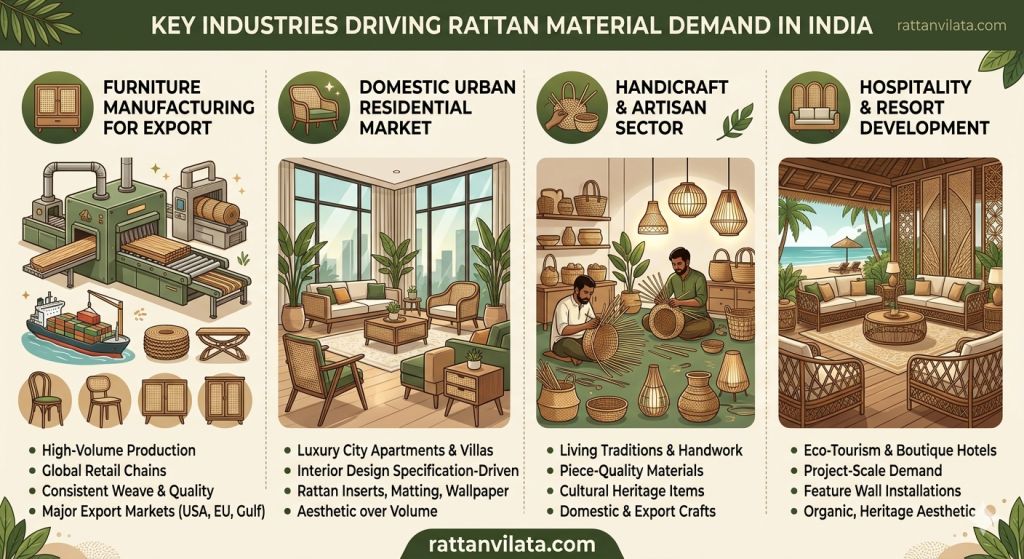
India’s export-oriented furniture manufacturing sector — concentrated in clusters around Jodhpur, Saharanpur, and Chennai — is the highest-volume demand channel for rattan materials India’s professional market generates. These manufacturers produce OEM and branded furniture for international buyers across Europe, the United States, and the Gulf, incorporating cane webbing panels, rattan core binding, and natural woven inserts as standard production inputs. Export furniture materials India’s manufacturing clusters require must meet the specification standards of international wholesale buyers — consistent weave density, accurate dimensions, controlled moisture content, and surface quality that holds up through export transit and international retail supply chains. The consistency of natural woven material inputs directly affects the quality and market acceptance of finished export furniture.
Domestic Urban Residential Market
India’s urban residential renovation market — driven by apartment upgrades, new villa developments, and the aspirational interior design choices of a rapidly expanding middle and upper-middle class — generates growing demand for natural fibre materials India’s domestic design sector specifies. Interior designers working on Delhi NCR luxury apartments, Mumbai sea-facing residences, and Bangalore contemporary homes increasingly specify cane webbing cabinet inserts, rattan mat wall panels, and grasscloth wallpaper India’s residential design market has adopted as natural material alternatives to synthetic wall coverings and laminate surfaces. The urban residential market’s demand is distinct from the export production sector — it is specification-driven, design-aware, and oriented toward aesthetic quality rather than production volume.
Handicraft & Artisan Sector
India’s regional handicraft clusters represent a demand category with no parallel in Western markets. The country’s traditional weaving and natural fibre craft communities — active in Assam, West Bengal, Tripura, Kerala, and Karnataka — maintain living traditions of rattan and cane working that produce both functional furniture and decorative craft objects for domestic and export markets. These artisan communities source rattan core, cane peel, and natural fibre materials as raw inputs for hand-production — and their demand is for material consistency at the piece-quality level rather than the production-line standard of industrial manufacturers. Unlike the UK’s antique restoration sector, India’s craft tradition is not a restoration economy but a living production ecosystem generating original handmade work.
Hospitality & Resort Development
India’s luxury hotel, boutique resort, and eco-tourism hospitality sector generates consistent demand for rattan furniture material India’s hospitality design market sources for feature wall installations, lounge seating, and decorative partition applications. The country’s expanding eco-tourism infrastructure — particularly in Rajasthan, Kerala, Goa, and the Himalayan foothills — creates project-scale demand for natural woven materials that reinforce the organic, traditionally-referenced material aesthetic that luxury eco-resorts and heritage hotel properties require.
Natural Fibre Material Applications in Indian Furniture & Interiors
Rattan materials India’s production sector relies on — particularly the cane webbing India market generates for export chair production — serve distinct roles across export manufacturing, domestic design, and traditional craft applications:
Cane Webbing
- Dining and lounge chair panels — the primary cane webbing India market application in both export production and domestic furniture
- Decorative partitions and screens — specified by interior designers in urban residential and hospitality projects for natural texture and visual lightness
- Cabinet door inserts — used in contemporary Indian apartment interiors as natural material alternatives to glass or solid panel joinery
Rattan Core
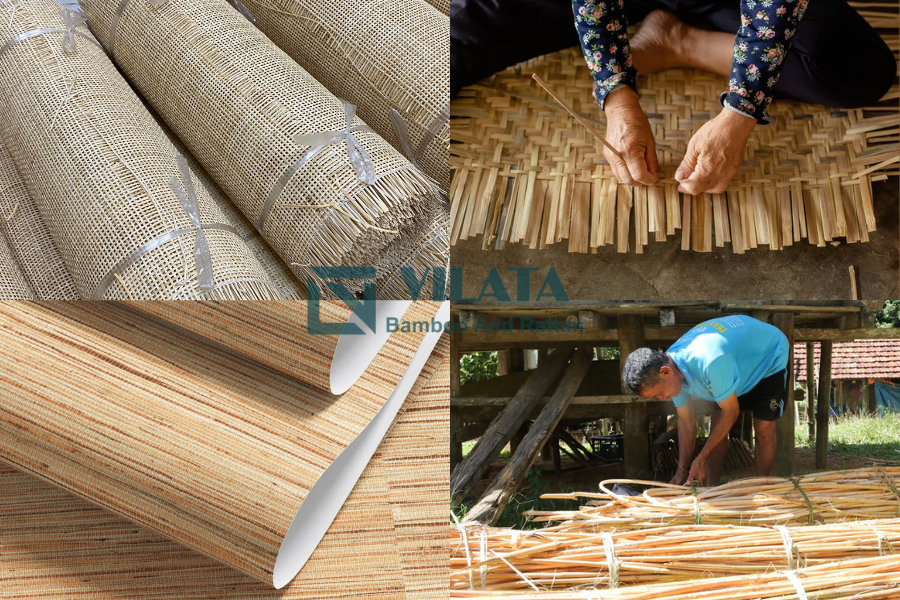
- Binding and frame reinforcement — used by both industrial furniture manufacturers and artisan craftspeople for structural and decorative wrapping
- Traditional craftsmanship finishing — applied in regional handicraft production for chair arms, legs, and decorative furniture elements across India’s craft clusters
Rattan Mats
- Ceiling panels in hospitality interiors — specified in resort and boutique hotel projects for acoustic warmth and natural material texture
- Wall accent installations — used in contemporary Indian residential design as natural surface material in living rooms and bedrooms
Grasscloth Wallpaper
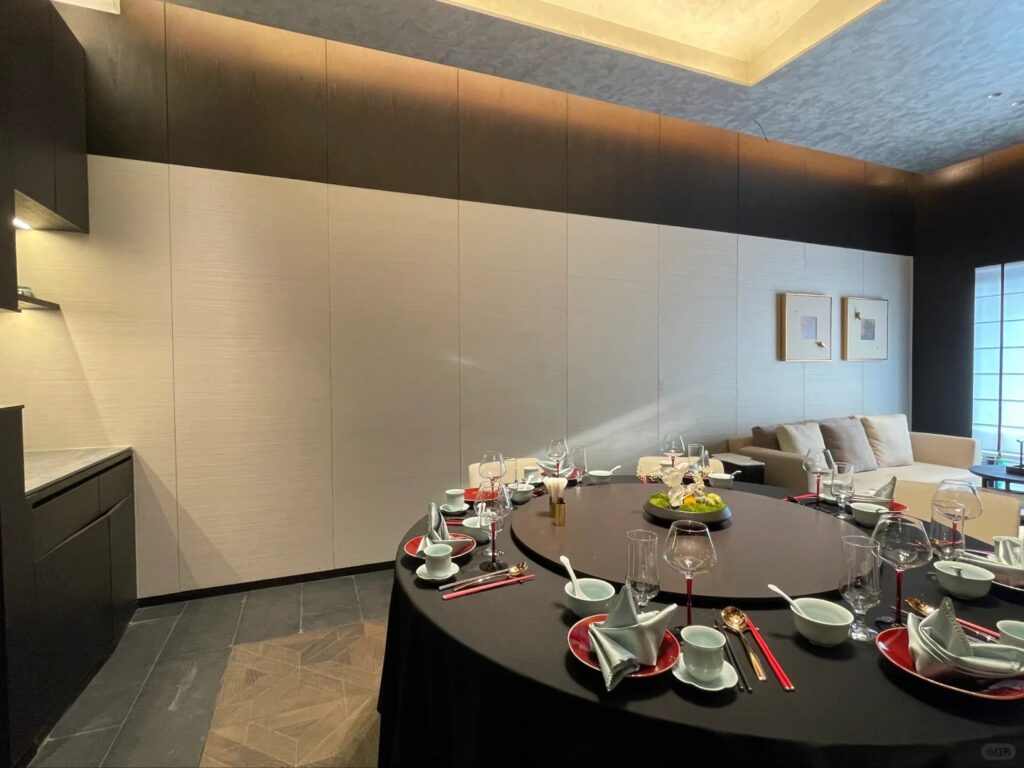
- Luxury residential feature walls — grasscloth wallpaper India’s high-end residential interior market specifies as a natural wall covering alternative in premium apartment and villa projects
- Boutique hotel and resort feature surfaces — used in hospitality interiors where natural material texture reinforces heritage and eco-luxury positioning
Design Trends & Aesthetic Context for Natural Materials in India
The interior design movements shaping demand for natural fibre materials India’s residential and commercial markets generate reflect the country’s distinctive cultural position at the intersection of traditional craft heritage and rapid contemporary modernisation. Modern Indian contemporary — the dominant mode in India’s upper-middle and luxury residential interior market — blends warm earth-tone palettes, natural material layering, and craft-referenced surfaces with contemporary spatial planning and international design influences. Rattan furniture material India’s design community specifies in this context carries both aesthetic and cultural meaning: it references India’s own natural fibre traditions while meeting the visual standard of contemporary international interior design.
The fusion of traditional and modern is a defining characteristic of Indian interior design that distinguishes it sharply from France’s aesthetic purism, Canada’s Scandinavian minimalism, and Singapore’s sleek urban refinement. Natural material layering — combining wood, stone, woven fibre, and textile surfaces — is the material language of Indian contemporary interiors at every price point. Sustainable interior materials India’s design market increasingly specifies are valued for their breathability in warm climate conditions, their visual warmth in compact urban apartments, and their cultural resonance in a market where natural material heritage is an active design reference rather than a historical footnote.
Regional Demand Patterns Across India
Delhi NCR — Luxury Residential & Export Manufacturing
Delhi NCR combines India’s largest luxury residential renovation market with proximity to the Saharanpur furniture manufacturing cluster — one of India’s most active export furniture production zones. Demand for rattan materials India’s capital region generates — covering both rattan materials India export producers and luxury residential designers — spans both high-end residential interior specification and industrial export production supply.
Mumbai — High-End Apartments & Boutique Design Studios
Mumbai’s concentration of affluent urban residential developments and independent boutique interior design studios generates consistent demand for natural fibre materials India’s commercial design capital sources for premium apartment renovations and bespoke residential commissions where natural material quality is a primary specification criterion.
Bangalore — Modern Residential Growth

Bangalore’s rapid residential expansion — driven by the technology sector’s highly paid professional workforce — generates strong demand for contemporary Indian interior design incorporating natural fibre materials. The city’s design-forward residential market actively adopts sustainable interior materials India’s Bangalore design community specifies as signals of both aesthetic consideration and environmental awareness.
Rajasthan & Craft Regions — Artisan Clusters
Rajasthan’s furniture production clusters and India’s broader regional craft communities — spanning Assam, West Bengal, Tripura, and Kerala — represent the country’s most distinctive and internationally recognised natural material demand base. Export furniture materials India’s craft regions produce for European and American buyers depend on consistent raw material supply, making these clusters important professional users of rattan core and cane webbing sourced for artisan-quality production.
India’s Import & Export Landscape for Natural Fibre Materials
India occupies a unique structural position in the global natural fibre materials supply chain — functioning simultaneously as an exporter of finished natural furniture and an importer of specific raw and processed natural materials that domestic production cannot fully supply at the quality and consistency levels required by export-oriented manufacturers. India exports rattan and cane furniture to European, North American, and Gulf markets at significant volume, and the quality of those exports depends on the consistency of natural woven material inputs at the production stage. Export furniture materials India’s manufacturing sector relies on must meet international wholesale buyer specification standards — batch variation in weave density, moisture content, or surface quality creates rejection risk at the export destination that directly damages manufacturer reputation and buyer relationships. India’s import of natural fibre materials to supplement domestic supply is therefore a quality-driven decision, not merely a volume one.
Sustainability & Natural Material Preference in the Indian Market
India’s orientation toward natural materials in furniture and interiors is rooted in climate practicality as much as environmental ideology — a distinction from Canada’s consumer eco-culture and Germany’s industrial sustainability framework. Natural fibre materials India’s domestic and export markets have used for generations are breathable, lightweight, and thermally appropriate for warm-climate living in ways that synthetic alternatives are not. The growing sustainability awareness in India’s urban residential market adds a contemporary environmental dimension to this traditional material preference: sustainable interior materials India’s design-conscious urban buyers increasingly specify carry both the practical advantages of natural fibre and the environmental positioning that a more sustainability-aware consumer base rewards. Rattan, bamboo, jute, and seagrass are renewable, biodegradable, and culturally resonant in India’s material tradition — a combination that positions them strongly in both domestic and export markets as demand for traceable, low-impact materials grows.
Why Consistent International Supply Matters for Indian Manufacturers
For India’s export furniture manufacturers, artisan production clusters, and urban interior design firms, the consistency of natural fibre material inputs is a competitive requirement. Export-oriented manufacturers cannot accept batch variation in cane webbing panels or rattan core that would introduce visible quality inconsistency into finished furniture destined for international wholesale buyers with defined specification standards. Artisan producers working on premium handmade pieces for export require material that meets piece-quality standards consistently across coils and batches. Urban interior designers specifying rattan furniture material India’s residential market demands must be confident that repeat orders will match approved samples in weave, colour, and surface quality across the life of a commission.
For Indian buyers exploring consistent natural fibre material supply:
- Wholesale Rattan Cane Webbing — furniture-grade cane webbing for hospitality seating and cabinet applications
- Wholesale Rattan Mats — flat woven panels for hospitality wall, ceiling, and interior accent applications
- Wholesale Grasscloth Wallpaper — commercial-grade natural fibre wallpaper for boutique hotel and residential projects
Supporting India’s Furniture & Interior Industry
India’s demand for rattan materials — spanning export furniture manufacturing, a living artisan craft tradition, a rapidly growing urban residential design market, and an expanding luxury hospitality sector — represents one of the most structurally complex and culturally distinctive natural materials markets in the world. Natural fibre materials India’s manufacturers, craftspeople, and designers work with must meet a wide range of quality, consistency, and supply reliability requirements across very different demand contexts. International supply partnerships that understand this complexity and deliver on material quality consistently are the foundation of productive long-term sourcing relationships in the Indian market.
Explore wholesale supply options: Wholesale Rattan Cane Webbing · Wholesale Rattan Core · Wholesale Rattan Mats · Wholesale Grasscloth Wallpaper · Wholesale Bamboo Webbing