Rattan & Natural Fiber Materials in the Germany Market
Germany’s demand for rattan materials is defined by precision, structure, and the uncompromising quality expectations of one of Europe’s most technically sophisticated furniture manufacturing and distribution industries. Natural fibre materials Germany’s furniture producers, material distributors, and interior architects specify are evaluated against measurable consistency standards — dimensional tolerance, moisture content stability, weave uniformity, and batch repeatability — that reflect the country’s engineering-driven production culture and its central role as both a manufacturer of high-quality furniture and a distribution hub for EU-wide natural material supply.
This page examines how rattan furniture material Germany’s industrial and design sectors source fits into the German market’s structured demand landscape, from furniture production clusters in Bavaria and North Rhine-Westphalia to the contemporary interior studios of Berlin.
Natural Fibre Materials in Germany – An Industrial and Structured Market
Germany is Europe’s largest furniture manufacturing economy and one of the world’s most significant furniture export nations — a position that creates a consistently high and specification-driven demand for natural fibre materials Germany’s production sector sources as inputs for both domestic and export furniture programs. The cane webbing Germany market is characterised by precision purchasing decisions made within structured procurement systems: manufacturers specify materials to technical standards, distributors maintain documented quality records, and sourcing relationships are evaluated on long-term supply consistency rather than transaction-by-transaction pricing. Rattan materials Germany’s furniture sector works with are not decorative afterthoughts but engineered inputs selected and approved through formal material qualification processes.
Core Industries Driving Rattan Materials Demand in Germany

Furniture Manufacturing & Export
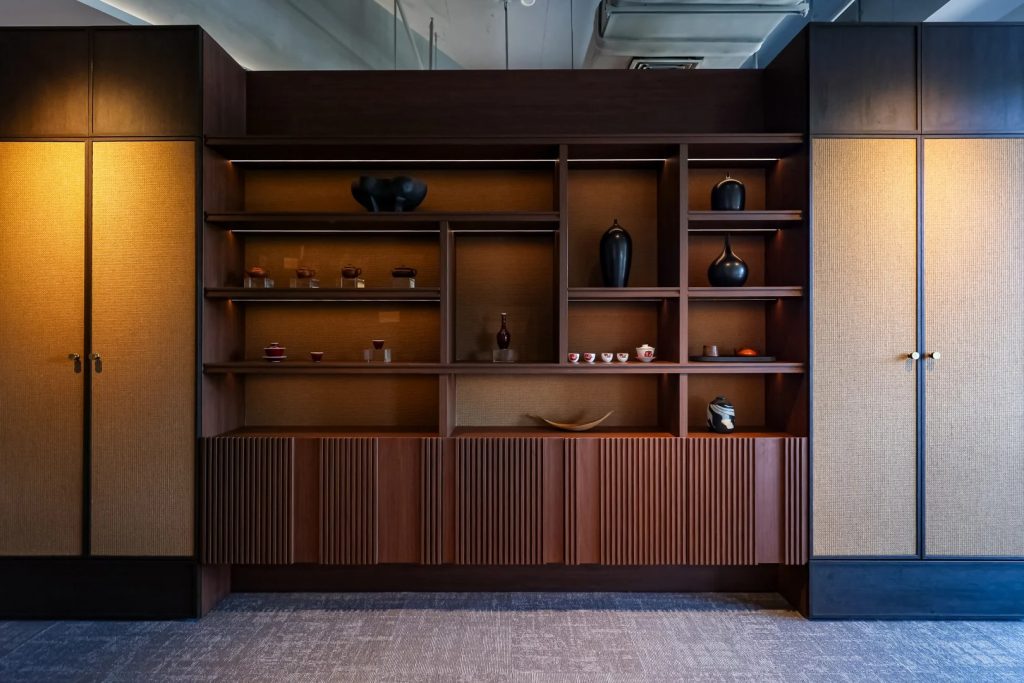
Germany’s furniture manufacturing sector — producing seating, cabinet systems, and interior furniture for both domestic retail and export to EU and international markets — is the primary demand channel for furniture manufacturing materials Germany’s production industry sources. Cabinet manufacturers incorporate cane webbing panels as door inserts and decorative elements; seating manufacturers specify cane webbing and rattan core for chair back and seat panel production; interior system producers integrate natural woven panels as material components within larger furniture programs.
The scale and technical sophistication of German furniture manufacturing means that material inputs must meet dimensional and quality specifications that can be verified against documented standards — natural fibre materials Germany’s manufacturers source are assessed with the same rigour applied to any other production material.
Material Distributors & Importers
Germany’s structured wholesale distribution network — supplying furniture makers, interior architects, and craft businesses across Germany and neighbouring EU markets — represents a significant and distinct demand channel for rattan materials Germany’s distribution sector sources for redistribution. German distributors typically maintain documented quality standards for the materials they carry, require batch-level consistency certification from their suppliers, and service buyer bases across multiple EU countries with harmonised compliance requirements. For international natural fibre suppliers, the German distribution market is both a high-volume opportunity and a technically demanding qualification process — distributors expect supply chain documentation, material specification sheets, and quality consistency that matches their buyers’ procurement standards.
Interior Architecture & Commercial Projects
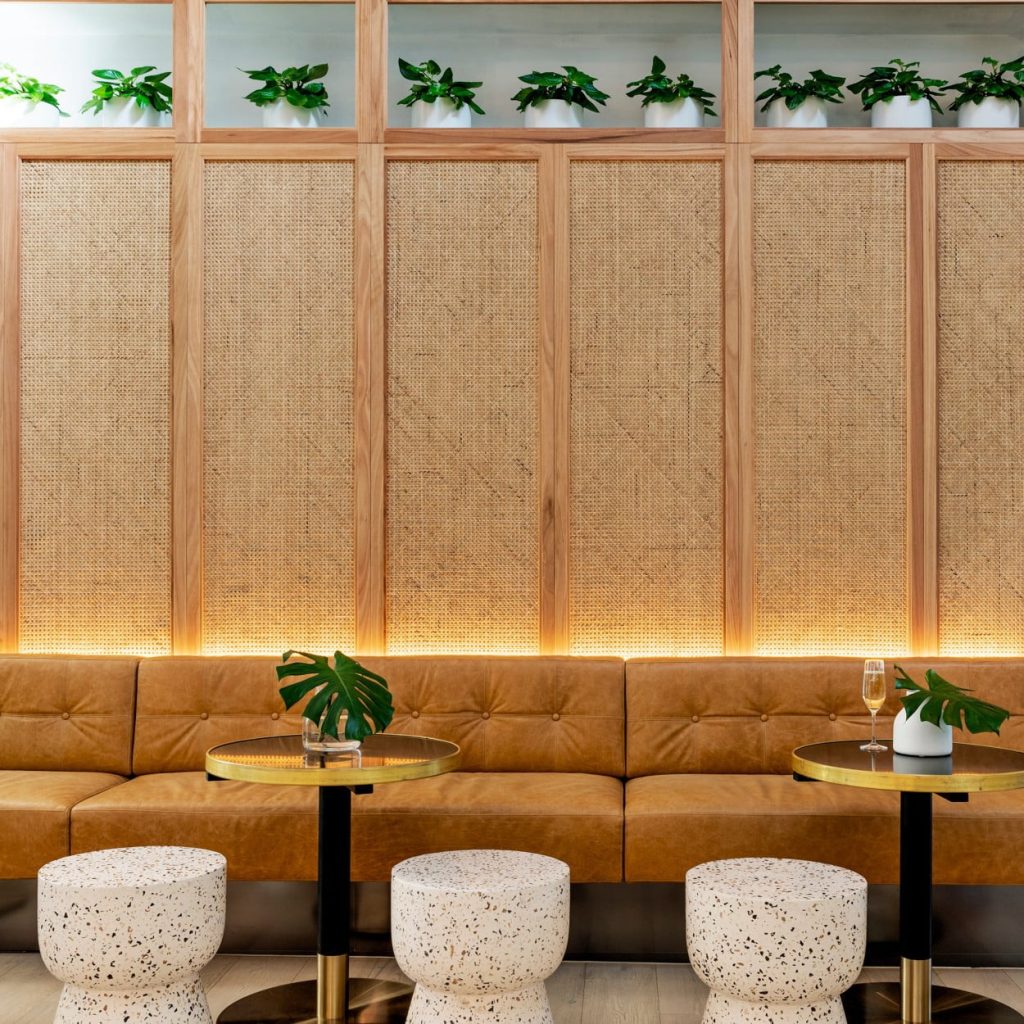
Germany’s active commercial interior architecture sector — specifying for office developments, retail fit-outs, and hospitality projects — generates consistent demand for cane webbing Germany market buyers in the specification design community source for feature panels, decorative partitions, and textural wall finish applications. Berlin’s dense concentration of contemporary interior studios, Munich’s high-end commercial project pipeline, and Hamburg’s corporate office development activity all contribute to a specification-level demand for natural fibre materials that prioritises aesthetic precision and material consistency over volume.
Sustainable Furniture Producers
Germany’s furniture sector has one of Europe’s strongest sustainability orientations — driven by consumer awareness, retail certification requirements, and the country’s broader industrial sustainability framework. Sustainable furniture materials Germany’s eco-conscious producers specify include natural woven materials that carry renewable raw material credentials, verifiable sourcing documentation, and the long product lifecycle that sustainable furniture certification schemes reward. The German market’s sustainability framework is industrial rather than lifestyle-driven — it is expressed through formal certification, supply chain documentation, and procurement standards rather than consumer preference narratives.
Natural Fibre Material Applications in German Furniture & Interiors
Rattan materials Germany’s production and specification sectors incorporate serve precise functional and aesthetic roles within Germany’s technically demanding manufacturing and design environment:
Cane Webbing
- Structured chair production — the primary cane webbing Germany market application in furniture manufacturing, used in chair back and seat panel production for both domestic and export furniture lines
- Modular cabinet door inserts — specified by cabinet manufacturers as decorative and functional panel inserts in bedroom, kitchen, and living room furniture systems
- Industrial furniture lines — incorporated into standardised furniture product ranges as a natural material element within otherwise engineered component systems
Rattan Core
- Precision frame binding — applied to chair frames, cabinet edges, and furniture structural elements as a material finish that must meet dimensional tolerance requirements
- Reinforcement detail on production furniture — used in German furniture factories as a consistently supplied binding material for chair arm and leg finishing across production runs
Rattan Mats
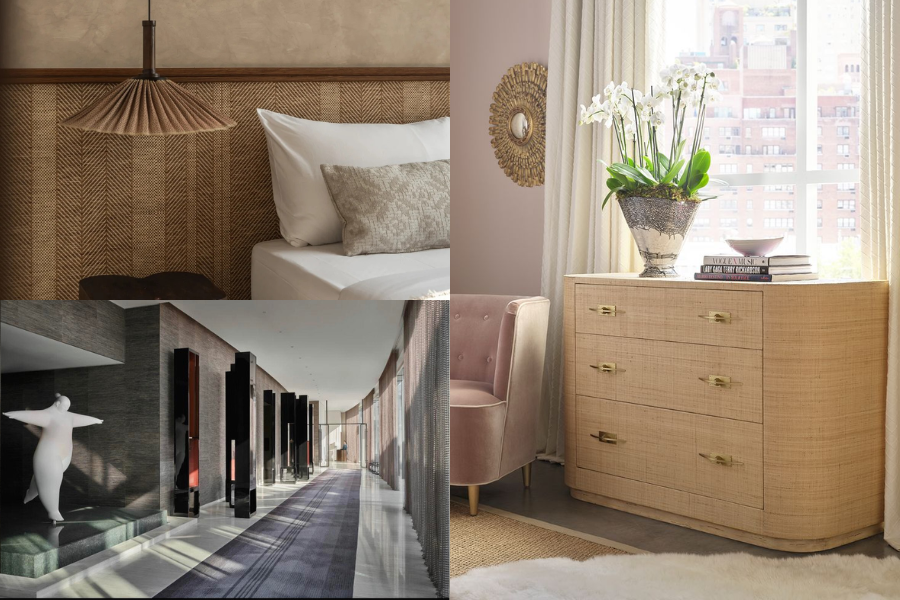
- Acoustic wall panel applications — flat woven rattan panels specified in commercial office and hospitality interiors where surface texture serves both acoustic and aesthetic functions
- Textural interior features — used by interior architects in contemporary German commercial projects as natural material contrast elements within minimalist spatial schemes
Grasscloth Wallpaper
- Commercial interior accent walls — grasscloth wallpaper Germany’s commercial interior market specifies for office, retail, and hospitality feature wall applications where natural texture introduces warmth within predominantly hard-surface environments
- Design-forward office spaces — used by Berlin and Munich interior architects in premium workplace design projects where biophilic material references are part of the interior brief

German Design & Production Philosophy – Natural Materials in Context
Germany’s design culture is rooted in the Bauhaus tradition — the integration of functional precision, clean structural lines, and material honesty that has shaped German furniture and interior design for a century. Within this aesthetic framework, natural woven materials occupy a specific and considered position: they introduce organic texture and tactile warmth as deliberate counterpoints to the geometric precision and engineered surfaces that define German functional minimalism. Rattan furniture material Germany’s design community specifies is not a decorative softening of industrial forms but a purposeful rattan furniture material Germany’s design community selects to create visual tension between the structured and the organic — a tension that Bauhaus-influenced design has always managed with formal rigour.
The German production mindset extends this precision orientation into material sourcing: natural fibre materials Germany’s furniture producers and interior architects specify must behave predictably within production and installation processes. Dimensional stability across varying humidity conditions, consistent weave density across production batches, and reliable surface quality run-to-run are not preferences but requirements in a manufacturing culture where material variability translates directly into production inefficiency and quality risk.
Regional Demand Patterns Across Germany
North Rhine-Westphalia — Industrial Furniture Manufacturing
North Rhine-Westphalia’s concentration of industrial furniture manufacturers and interior component producers represents Germany’s highest-volume demand cluster for furniture manufacturing materials Germany’s production sector sources. The region’s structured manufacturing businesses require consistent, documented natural fibre material supply that integrates smoothly into production scheduling and quality management systems.
Bavaria — Premium Furniture Production
Bavaria’s premium furniture production sector — producing high-specification pieces for luxury residential and contract interior markets — generates demand for rattan materials Germany’s quality-premium manufacturing segment sources at specification standards that reflect the sector’s elevated quality positioning. Munich’s commercial interior architecture community contributes additional specification-level demand for natural woven materials in high-end project contexts.
Hamburg — Port Hub & Commercial Interiors
Hamburg’s position as Germany’s primary port city and EU import hub makes it both a logistics entry point for natural fibre materials and a significant demand market in its own right. The city’s active commercial interior development sector — driven by corporate headquarters, retail, and hospitality investment — generates consistent demand for cane webbing Germany market specification buyers and grasscloth wallpaper Germany’s commercial design community sources for feature wall and panel applications.
Berlin — Contemporary Interior Studios
Berlin’s concentration of contemporary interior design studios and its status as a hub for design-forward commercial and residential projects generates demand for natural fibre materials Germany’s most internationally connected design city sources for projects where natural material texture is a deliberate design statement within otherwise minimal, white-surface architectural environments.
EU Import & Distribution Landscape for Natural Fibre Materials in Germany
Germany’s position as a central EU logistics hub gives it a structural significance in natural fibre materials distribution that extends beyond its own domestic market. Natural fibre materials entering Germany through Hamburg, Bremen, or Frankfurt are frequently redistributed to furniture manufacturers and interior suppliers across the Netherlands, Belgium, Austria, Poland, and other EU neighbours — making the German distribution network an amplifier of supply quality standards across the wider EU.
EU customs documentation for natural plant-based materials — phytosanitary certification, certificates of origin, HS code classification, and EUDR (EU Deforestation Regulation) compliance documentation — must be complete and accurate for all natural fibre imports entering through German ports. The German distribution market’s expectation that international suppliers manage this documentation to EU standard without prompting is a baseline requirement, not a differentiating feature.
Quality Standards & Consistency Expectations in the German Market
Germany’s furniture and interior sectors apply quality expectations to natural fibre materials that are more formally structured than those of any other market in this overview — a reflection of the country’s engineering culture and its reliance on documented quality management systems across manufacturing operations. Sustainable furniture materials Germany’s quality-certified producers source must meet specification tolerances that are stated in advance and verified against documentation: weave density measured against a stated threads-per-centimetre specification, moisture content verified to a stated percentage range, and dimensional accuracy checked against drawing tolerances.
For natural fibre materials — which carry inherent biological variation — meeting German quality standards requires that production and drying processes are controlled tightly enough to produce consistent measurable results within specified ranges, not merely acceptable-looking material.
Batch-to-batch consistency is a particular focus for German furniture manufacturers running production programs across multiple shipments. A single batch deviation in weave density or surface quality that disrupts a production line is not treated as an acceptable natural material characteristic — it is a supply failure that requires documented corrective action. International suppliers who understand and can document their quality control processes at the level of detail German buyers expect are at a significant advantage in this market over suppliers who can only provide visual quality assurance without supporting process data.
Why Consistent International Supply Matters for German Manufacturers
For Germany’s furniture manufacturers, EU distributors, and interior architecture firms, the value of an international natural fibre material supply relationship is measured primarily in supply consistency and documentation reliability — not in unit pricing alone. Rattan materials Germany’s production sector depends on must arrive within specification tolerances on every shipment, accompanied by complete EU-compliant export documentation, and on the delivery schedule that production planning depends on. For EU distributors managing multi-country supply programs, the same requirements apply across all product lines they carry — a single documentation deficiency creates customs delays that affect their entire customer network.
For German buyers exploring consistent natural fibre material supply:
- Wholesale Rattan Cane Webbing — furniture-grade cane webbing for chair and cabinet production with documented quality specifications
- Wholesale Rattan Core — diameter-sorted binding material for precision frame finishing in industrial furniture manufacturing
- Wholesale Bamboo Webbing — furniture-grade bamboo webbing for contemporary German furniture programs requiring natural material with linear grain aesthetic
Supporting Germany’s Furniture & Interior Industry
Germany’s demand for natural fibre materials — anchored in one of Europe’s most technically sophisticated furniture manufacturing sectors, a structured EU distribution network, and a design culture that applies engineering precision to material selection — represents a market where supply consistency, documentation reliability, and quality process transparency are the primary criteria for international material partnerships. Rattan materials Germany’s production and specification sectors source must perform within defined tolerances, arrive documented to EU compliance standards, and support the quality management systems that German furniture manufacturing operations depend on. International supply relationships that deliver on these requirements consistently are the foundation of long-term sourcing partnerships in the German market.