Rattan & Natural Fiber Materials in the France Market
The rattan materials France market is defined by a strong design-driven approach, where natural fibre materials are selected not only for function but for their aesthetic contribution and refinement. Across interior design studios, boutique furniture ateliers, and luxury hospitality projects, rattan materials are used as expressive elements that bring texture, warmth, and a sense of craftsmanship into carefully curated spaces.
Natural Fibre Materials in France – A Design-First Market
France occupies a singular position in the global natural materials market. Demand for rattan materials France’s design and interior sectors generate is defined not by production scale or restoration tradition, but by aesthetic judgment, decorative sensibility, and the enduring influence of French interior design culture on both domestic and international style. Natural fibre materials France designers and furniture ateliers specify are chosen for their visual refinement, textural contribution, and compatibility with the layered, considered approach to interior composition that characterises French design at every price point.
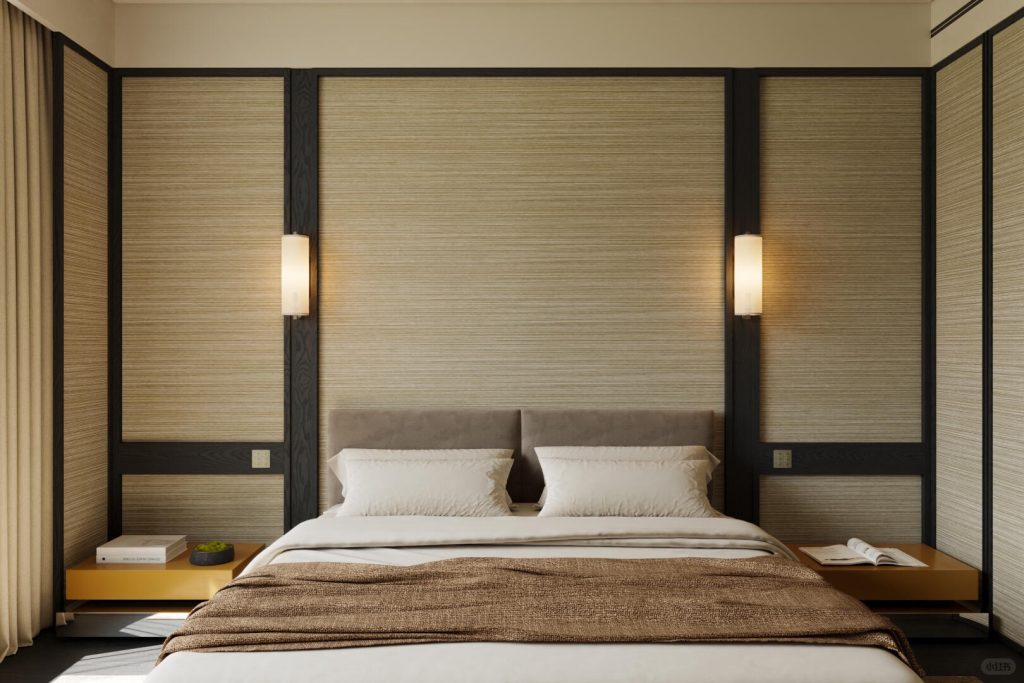
The cane webbing France market reflects this design-first orientation clearly. Where other markets treat cane webbing primarily as a functional surface material, French interior designers and boutique furniture makers incorporate it as a decorative element — selected for its visual lightness, its association with classic Parisian café and bistro furniture, and its ability to introduce warmth and organic texture into interiors built on neutral palettes and refined material combinations. Rattan furniture material France’s ateliers and studios work with is a design medium, not simply a manufacturing input.
Core Industries Driving Rattan Materials Demand in France
Interior Design Studios & Architects
Paris-based interior design studios and architectural firms represent the primary demand channel for natural fibre materials France’s design industry sources. French interior designers specifying luxury apartment renovations, boutique residential commissions, and high-end commercial fit-outs incorporate cane webbing as cabinet panel inserts and wardrobe insets, rattan mats as decorative wall and ceiling cladding, and grasscloth wallpaper as feature wall materials that introduce organic texture into otherwise refined, restrained schemes. The Parisian design market in particular is characterised by a preference for materials that carry visible craft origin while maintaining visual elegance — a combination natural woven materials deliver naturally.
Boutique Furniture Ateliers
France maintains one of Europe’s most active communities of small-production furniture workshops and artisan ateliers producing high-end decorative pieces for domestic and export markets. These makers specify rattan furniture material France’s craft furniture tradition has used for generations — cane webbing for chair backs and dining seat panels, rattan core for hand-binding and structural detail on decorative frames. Unlike Germany’s structured industrial furniture sector, French ateliers operate on the logic of artistic refinement: material selection is a design decision made by the maker, prioritising aesthetic outcome over production efficiency.
Hospitality & Luxury Project Interiors
The French hospitality sector — Parisian boutique hotels, Michelin-level restaurant interiors, and Mediterranean resort properties across the Côte d’Azur and Provence — generates consistent demand for luxury interior natural materials France’s hospitality designers specify for feature walls, decorative seating, and textural accent installations. Natural woven materials perform particularly well in French hospitality contexts where the interior brief calls for warmth, sensory richness, and visual differentiation from the standardised finishes of international hotel brands.
Concept Stores & Retail Interiors
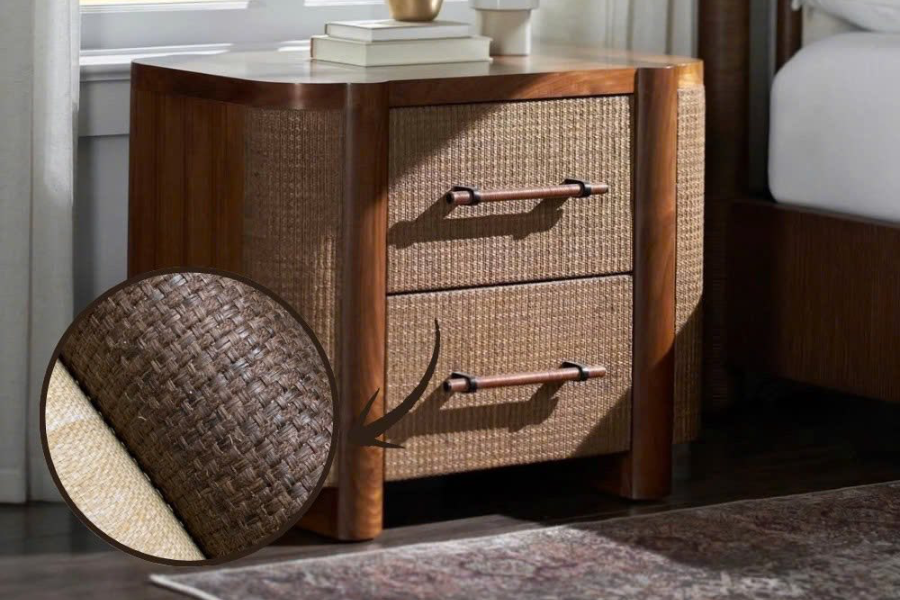
France’s strong retail design culture — expressed through Paris’s concentration of concept boutiques, independent fashion retailers, and design-forward lifestyle stores — creates demand for cane webbing France market buyers source to create warm atmospheres and organic visual texture within commercial environments. Natural woven surfaces introduce softness and craft reference into retail interiors, supporting the brand positioning of independent and luxury retail concepts that differentiate on environment and material quality.
Natural Fibre Material Applications in French Interiors
Rattan materials France’s design and hospitality sectors incorporate serve precise decorative and functional roles:
Cane Webbing
- Café and bistro seating — the most culturally embedded cane webbing France market application, referencing the iconic Parisian café chair tradition
- Dining chair backs and seats — both in restoration of period French furniture and in new production from boutique ateliers
- Wardrobe and cabinet door panels — used by interior designers in Paris and Lyon for bedroom and dressing room joinery as a natural alternative to mirrored or lacquered panels
Rattan Core
- Decorative frame binding — hand-applied to chair legs, arms, and frame details in artisan furniture production
- Structural finishing detail — used by ateliers to add natural material texture to contemporary furniture designs
Rattan Mats
- Wall cladding accents — flat woven rattan panels applied in hospitality interiors and boutique residential projects
- Ceiling detail installations — used in Mediterranean resort and coastal property interiors to reference natural material environments
Grasscloth Wallpaper
- Parisian apartment feature walls — the primary grasscloth wallpaper France application in the luxury residential market
- Luxury boutique hotel interiors — specified for lobbies, corridors, and suites where natural material texture signals quality and authenticity
- Contemporary French interiors — used as textural counterpoint in otherwise minimal, white-wall residential schemes
French Design Influence & Aesthetic Context for Natural Materials
The dominant aesthetic directions shaping demand for rattan furniture material France’s interior market generates reflect the distinctive character of French design sensibility. Parisian classic style — characterised by layered material combinations, antique and contemporary juxtaposition, and a preference for materials with visual depth and craft association — creates sustained demand for natural woven surfaces that carry visible texture and organic variation. Contemporary minimal chic, the dominant mode in French urban residential interiors, uses natural fibre materials France designers select as deliberate counterpoints to hard, pale surfaces — a single cane panel or grasscloth wall introduced for warmth and tactile contrast.
Mediterranean coastal influence, particularly strong in southern France, drives demand for light-filtering woven surfaces, natural rattan textures, and materials that respond to strong natural light and warm interior palettes. Organic modern design — increasingly influential across French boutique hospitality and high-end residential markets — treats natural fibre as a primary material commitment, not a decorative addition. Across all of these directions, the common aesthetic logic is balance: between elegance and organic texture, between refinement and natural imperfection, between structure and material warmth.
Regional Demand Patterns Across France
Paris — Design Studios & Luxury Residential
Paris concentrates France’s highest density of interior design studios, luxury apartment renovation projects, and specification-led demand for natural fibre materials France’s design capital generates. The city’s independent interior design sector — active across the Marais, Saint-Germain-des-Prés, and the 16th arrondissement — drives consistent demand for cane webbing, grasscloth wallpaper, and rattan mat panel applications in high-value residential and boutique commercial commissions.
Lyon — Furniture & Interior Workshops
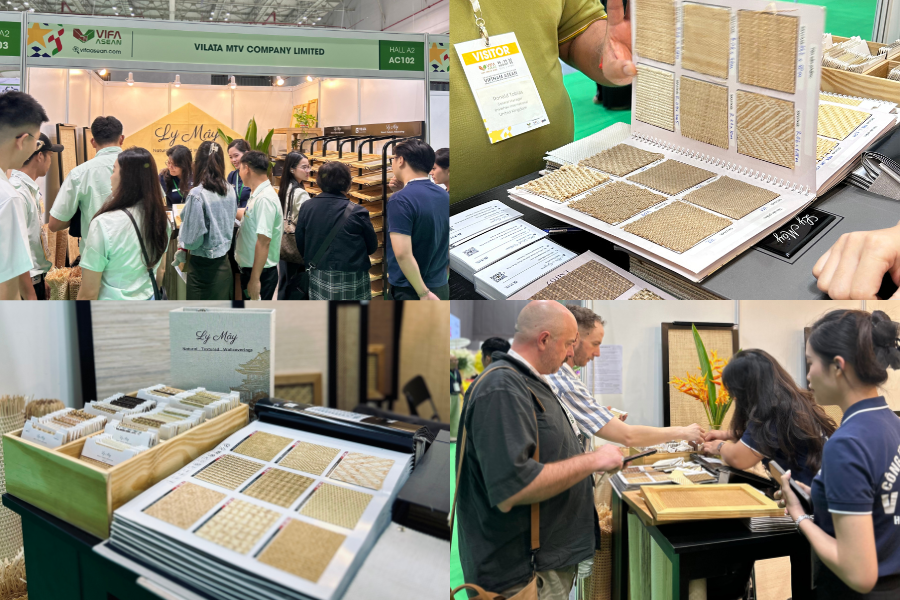
Lyon’s established furniture and interior workshop community generates steady demand for rattan materials France’s second design city produces across small-batch furniture production and boutique interior fit-out work. The city’s craft furniture tradition supports ongoing use of cane webbing and rattan core in both restoration and new production contexts.
Marseille & Mediterranean Coast — Coastal Resort Interiors
The Mediterranean coast from Marseille to Nice generates strong demand from boutique hospitality properties and coastal residential projects for natural woven materials that reference the warmth, light, and organic textures of Mediterranean environments. Lightweight rattan mats, natural-tone cane webbing, and grasscloth wallpaper are consistently specified in this market for their visual and material compatibility with coastal design briefs.
Bordeaux — Boutique Hospitality Development
Bordeaux’s ongoing development as a boutique hospitality destination — driven by wine tourism, cultural investment, and urban renewal — creates growing demand for luxury interior natural materials France’s southwestern hospitality market specifies for hotel and restaurant interior projects where natural material authenticity is part of the guest experience positioning.
Import & Supply Landscape for Natural Fibre Materials in France
France imports the substantial majority of its natural woven and fibre materials — rattan, cane, jute, sisal, and seagrass are not domestically produced. Supply reaches French design studios, furniture ateliers, and hospitality contractors through specialist material distributors and design trade suppliers, with aesthetic consistency playing as important a role in supplier selection as logistics and documentation.
For French interior designers and boutique furniture makers, the appearance of material across batches — weave density, colour consistency, surface quality — is a primary sourcing criterion. A batch variation that would be acceptable in a high-volume industrial context is not acceptable in a bespoke residential commission or a luxury hospitality project where material continuity is visible and auditable by the client. EU compliance documentation, including certificates of origin and phytosanitary certification for natural fibre imports, forms part of the standard import framework French buyers expect international suppliers to manage without prompting.
Sustainability & Eco-Aesthetic Awareness in the French Market
France’s sustainable interior materials market is shaped by a distinctive positioning: sustainability as aesthetic choice rather than regulatory compliance. French luxury interior brands, boutique hospitality groups, and design-conscious residential buyers increasingly specify sustainable interior materials France’s design culture frames as expressions of considered taste — renewable, plant-based, low-synthetic-content materials that carry both environmental credentials and visual authenticity. Rattan, bamboo, jute, and seagrass meet these criteria naturally: fast-growing, biodegradable, and visually honest in the way that plant-based materials with visible grain, texture, and natural variation always are.
The French market’s integration of sustainability into luxury positioning — rather than treating it as a cost or compliance issue — creates demand for natural fibre materials France’s luxury and boutique sectors specify as much for their aesthetic integrity as for their environmental profile.
Why Consistent International Supply Matters for the French Market

For Paris design studios managing luxury residential commissions, boutique furniture ateliers producing made-to-order pieces, and hospitality contractors fitting out properties where material quality is scrutinised by design-literate clients, the reliability of international natural material supply is a professional concern. Consistent woven patterns, repeatable colour results, and batch-to-batch surface quality are not optional in markets where aesthetic judgment is the primary performance criterion. Rattan materials France’s design and hospitality sectors require must meet those standards reliably across every order.
For French buyers exploring consistent natural fibre material supply:
- Wholesale Rattan Cane Webbing — furniture-grade cane webbing for atelier and interior design applications
- Wholesale Grasscloth Wallpaper — commercial-grade natural fibre wallpaper for luxury residential and hospitality projects
- Wholesale Rattan Mats — flat woven panels for decorative wall, ceiling, and interior accent applications
Supporting France’s Design & Interior Professionals
The French market’s demand for natural fibre materials — driven by design culture, luxury positioning, and a deep aesthetic appreciation for natural texture and craft material — represents one of the most discerning and design-aware buyer communities in the international natural materials market. Natural fibre materials France’s interior industry specifies are chosen with precision and held to high aesthetic standards. International supply relationships that can meet those standards consistently are the foundation of productive long-term partnerships.