Creating your own rattan furniture can be a fulfilling and creative process. If you’re wondering how to make rattan furniture, you’ve come to the right place. With some guidance, inspiration, and creativity, anyone can develop the skills necessary to transform simple materials into stunning furniture pieces that breathe life into any space.
What is rattan?
Rattan is a climbing palm known for its flexibility and durability, making it an ideal material for crafting furniture. Native to tropical regions of Africa, Asia, and Australia, rattan has found its way into homes worldwide due to its lightweight nature and aesthetic appeal.
The cane material used in furniture production is derived from the rattan plant’s stems, which are harvested, processed, and then woven or crafted into various forms. This process not only preserves the natural beauty of the cane material but also allows artisans and DIY enthusiasts to play with different designs.
Characteristics of Rattan
Rattan possesses unique attributes that differentiate it from other furniture materials. Its strength is perhaps one of its most remarkable characteristics, as it can withstand significant wear while remaining lightweight. This quality makes it suitable for indoor and outdoor use, allowing it to adapt seamlessly to various environments. Additionally, rattan has a natural sheen that adds an elegant touch to any piece of furniture.
Beyond aesthetics, the eco-friendliness of rattan contributes to its popularity. As a rapidly renewable resource, rattan grows back quickly after being harvested, ensuring minimal environmental impact. This sustainability aspect resonates with consumers increasingly mindful of their purchases’ ecological footprint.
The Cultural Significance of Rattan Furniture
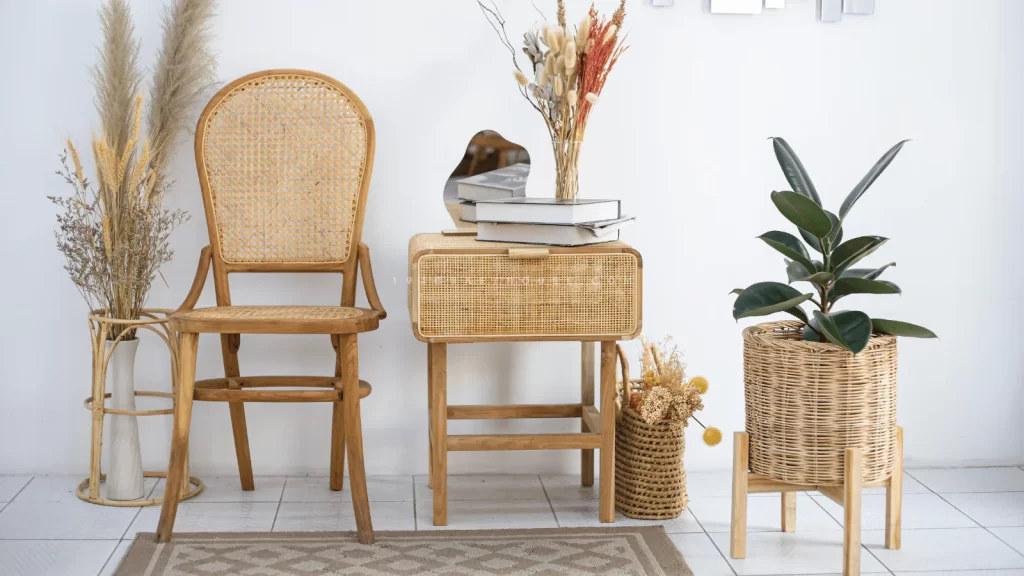
In many cultures, particularly in Southeast Asia, rattan furniture holds deep-rooted significance. Traditionally handcrafted by skilled artisans, each piece carries stories of craftsmanship and heritage. The intricate weaving patterns often reflect cultural motifs, turning furniture into functional art. By understanding the cultural context behind rattan furniture, DIY enthusiasts can appreciate its beauty and purpose even more as they embark on their projects.

Different Types of Rattan Furniture
Rattan can be shaped into various types of furniture, including chairs, tables, and couches. Each type serves a distinct purpose and offers opportunities for customization. For instance, a rattan chair can serve as a cozy reading nook, while a rattan coffee table can act as a centerpiece in a living room. The versatility of rattan allows individuals to choose styles that best suit their needs and preferences.

How to make DIY rattan furniture
Making your own DIY rattan furniture can sound daunting, but breaking it down into manageable steps can simplify the process. Before getting started, it’s essential to gather the necessary tools and materials. Understanding the fundamentals of working with rattan will ensure that you create a sturdy and aesthetically pleasing piece.
Selecting the Right Tools and Materials
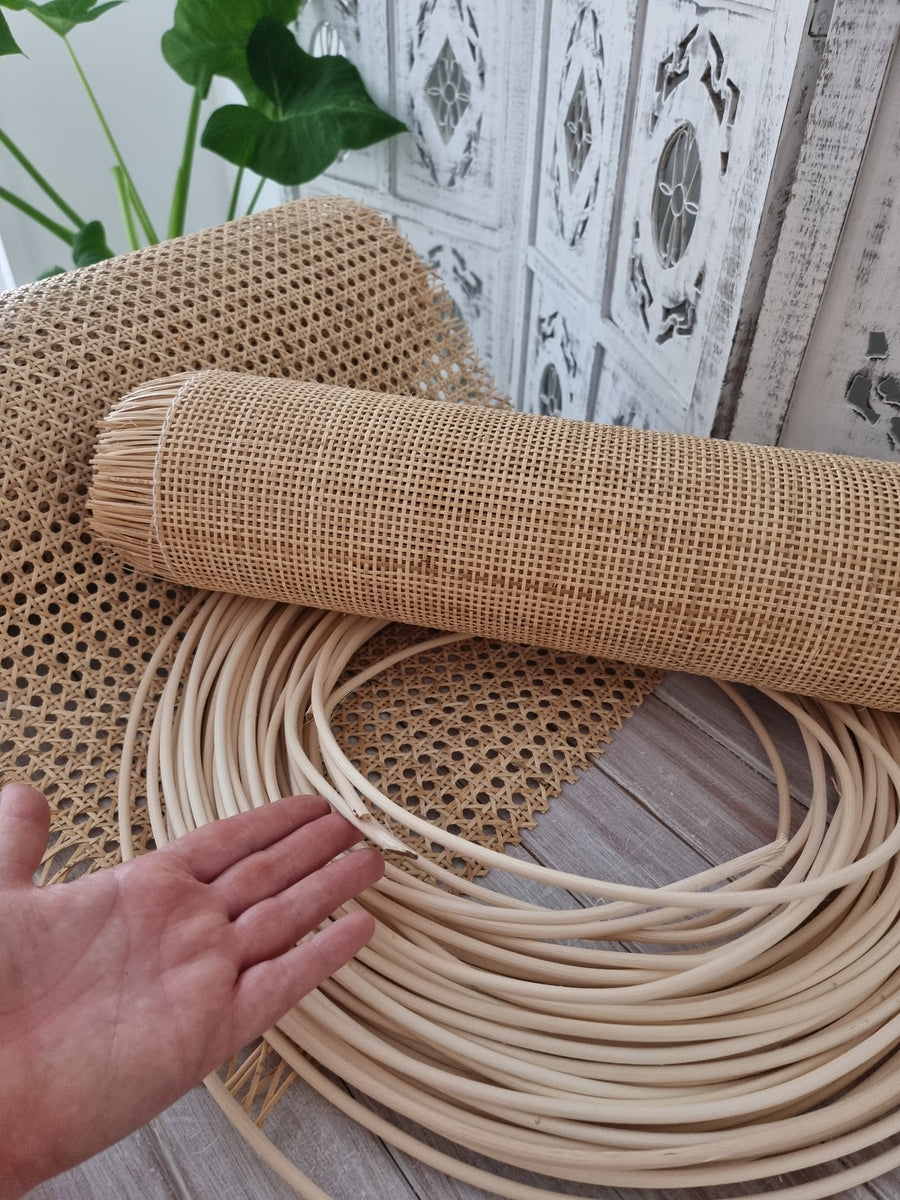
When embarking on a DIY rattan project, the first step is to gather the appropriate tools and materials. You will need:
- A selection of rattan poles or sheets
- Scissors or a craft knife
- A hot glue gun or wood glue
- Sandpaper for smoothing edges
- Optional: paint or finish for aesthetic enhancement
Choosing quality cane material used in furniture is crucial for achieving a satisfying result. Look for rattan that is both flexible and strong, as this will allow for easier manipulation during construction. Local hardware stores or specialty craft shops often carry rattan supplies.
Planning Your Design
Before you start cutting or weaving, take time to plan your design. Consider the dimensions of the space where the furniture will reside and sketch out a rough layout. Whether you’re crafting a simple chair or a more complex sofa, having a clear vision will guide you through the building process.
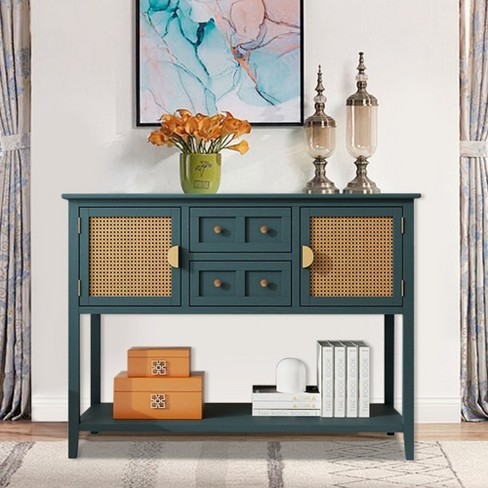
Try to incorporate unique elements into your design. For example, you could integrate shelving into a rattan cabinet or experiment with color combinations when painting your finished piece. Keep in mind the balance between functionality and aesthetics; your furniture should not only look great but also serve its intended purpose effectively.
Step-by-Step Construction Process
Once you have your materials and design in place, it’s time to start constructing your DIY rattan furniture.
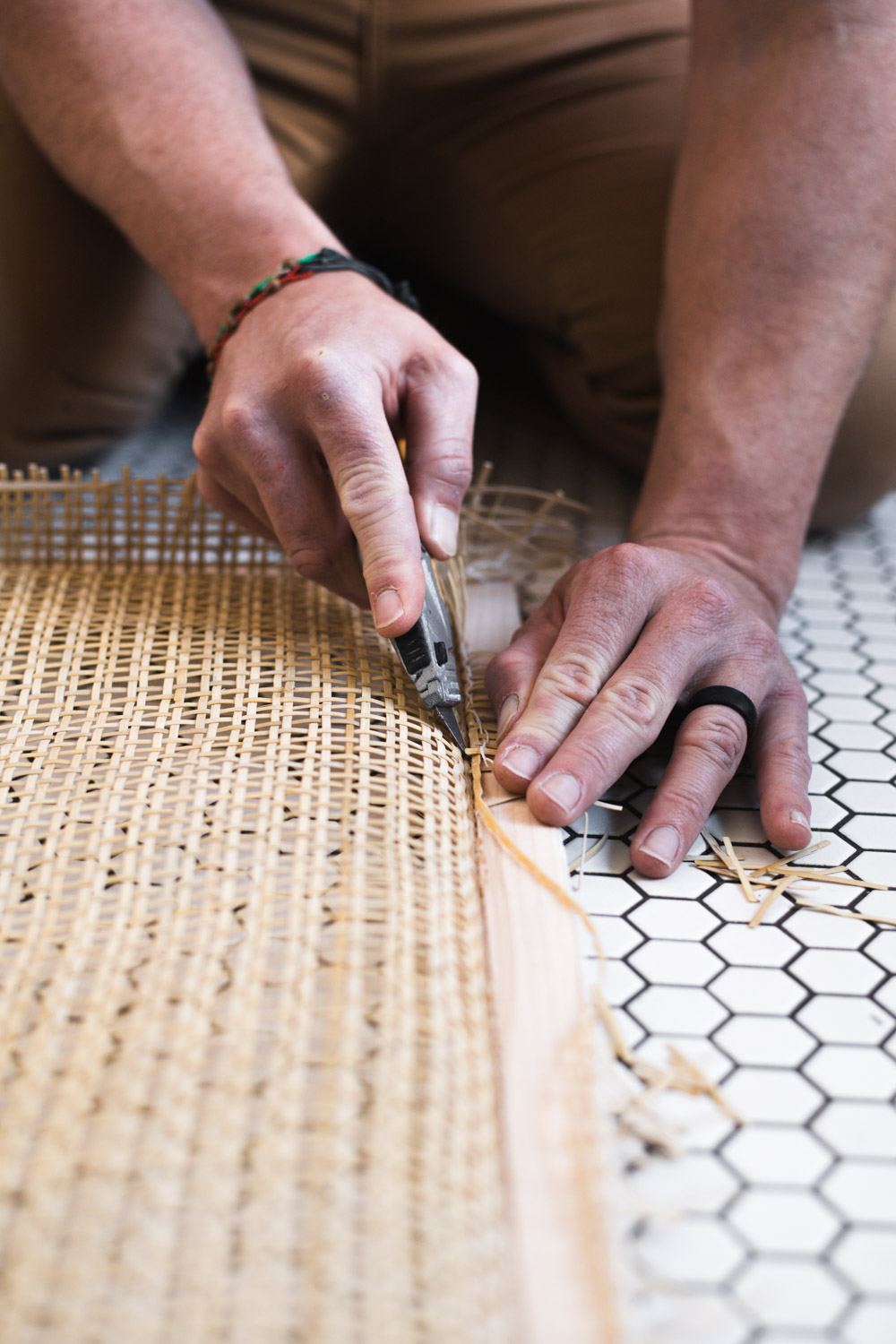
- Cutting and Shaping the Rattan: Use sharp scissors or a craft knife to cut the rattan poles to the desired lengths. Be cautious when handling sharp tools, and always work on a stable surface.
- Assembly: Begin assembling your furniture according to your design. Depending on your vision, this might involve weaving the rattan around a frame or using glue to attach pieces together. Ensure everything is securely fastened to avoid instability later.
- Finishing Touches: Once the assembly is complete, sand any rough edges to give the furniture a polished look. If desired, apply a coat of paint or finish to enhance its appearance further. Opt for colors that complement your existing decor or create a statement piece.
Maintaining Your DIY Rattan Furniture
After investing time and effort into creating your own rattan furniture, maintaining it is essential to preserve its appearance and functionality. Regular cleaning is key; dust and grime can accumulate over time, dulling the natural beauty of the rattan. Use a soft, damp cloth to wipe down surfaces, and avoid harsh chemicals that may damage the material.
Additionally, if you’ve placed your rattan furniture outside, consider protecting it from the elements when not in use. Covering it during rainstorms or storing it indoors during winter can significantly extend its lifespan.
The best DIY rattan ideas
Exploring various DIY rattan ideas can inspire creativity and help you find unique ways to express your style through furniture. From innovative seating solutions to decorative accents, the possibilities are vast and exciting.
Rattan Chairs: A Cozy Retreat
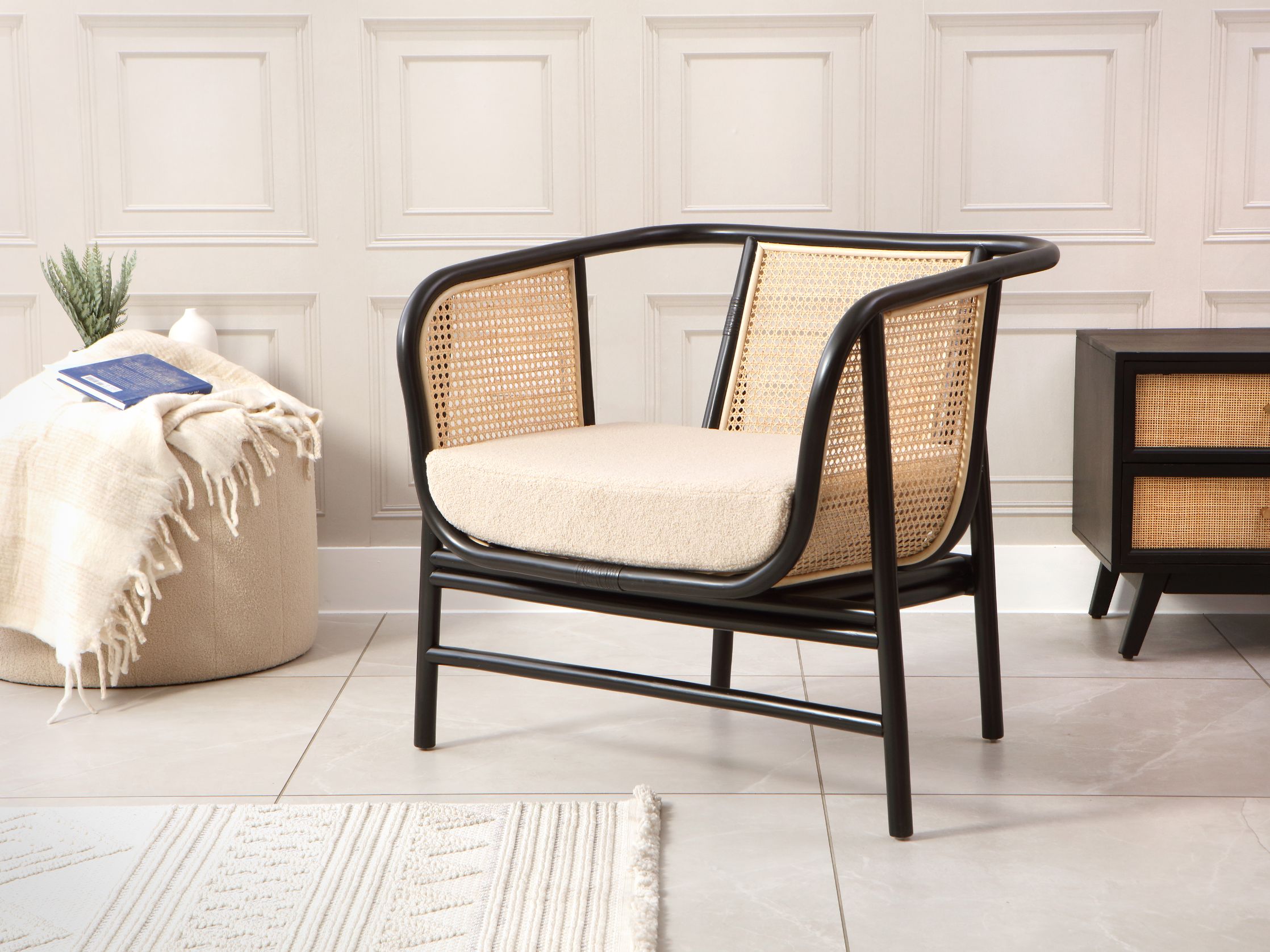
Crafting a rattan chair can transform an ordinary corner into a cozy retreat. Consider designing a lounge chair with a wide seat and a slightly reclined backrest for ultimate comfort. The natural curves of the rattan will create an inviting appearance, perfect for curling up with a book or sipping tea on a sunny afternoon.
To enhance the chair’s comfort, think about adding a cushioned seat or pillows covered in vibrant fabric. The contrast between the soft textiles and the rigid rattan structure can create an eye-catching focal point in your home.
Rattan Coffee Tables: Bringing Nature Indoors
A rattan coffee table can serve as a striking centerpiece in your living room. When designing your table, consider incorporating a glass top to showcase the beautifully woven rattan beneath. This combination of materials can elevate the overall aesthetic and provide a functional surface for drinks and decor.
Feel free to get creative with the base of the table. You might opt for a geometric design that plays with angles or a more organic shape that mimics natural forms. Whichever direction you choose, a rattan coffee table is sure to add an element of sophistication to your space.

Rattan Shelving Units: Functional Art
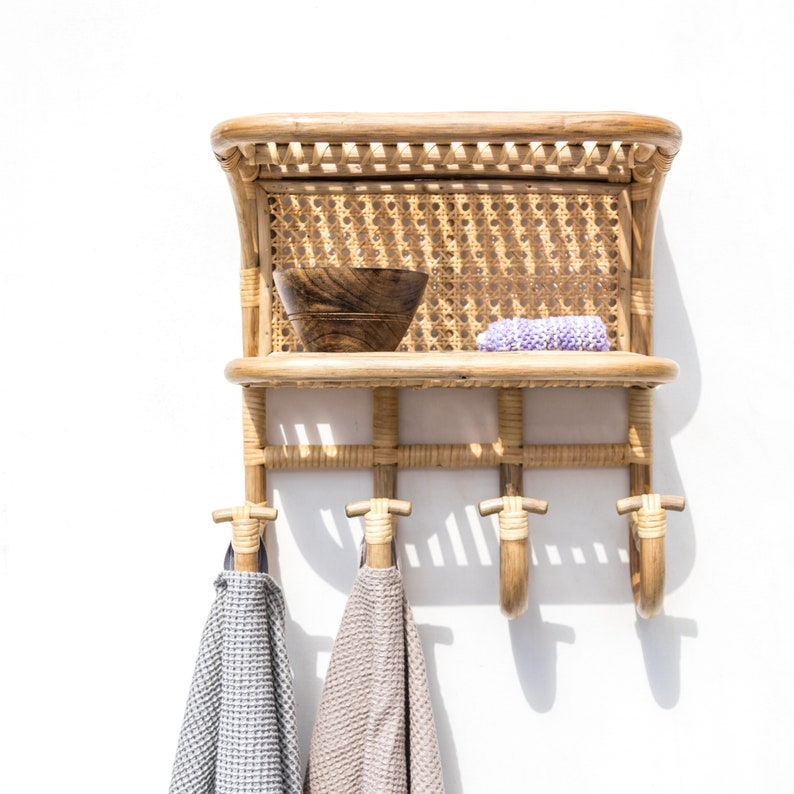
Rattan shelving units are an excellent way to combine storage with decoration. These versatile pieces can house books, plants, or decorative items, allowing you to display your favorite things stylishly. When designing a rattan shelf, consider varying the heights of each shelf to accommodate items of different sizes.
Incorporating additional elements, such as hooks for hanging coats or bags, can enhance the shelving unit’s functionality. This way, not only does it serve as an aesthetic addition to your home, but it also helps keep spaces organized.
Rattan Accents: Small Touches, Big Impact
If you’re hesitant to dive into larger projects, consider starting with smaller DIY rattan accents. Create decorative items like woven baskets or wall art made from rattan strips. These accents require less material and time while still showcasing your crafting abilities.
For example, a simple woven rattan basket can be used for storing magazines or throws, keeping your living area tidy while adding texture to the space. Alternatively, you can weave rattan into a wall hanging that infuses natural elements into your home decor.
Conclusion
In conclusion, learning how to make rattan furniture opens up a world of creativity and personal expression. By understanding the characteristics of rattan and following a structured approach to DIY projects, anyone can create beautiful and functional furniture pieces. Whether it’s a cozy chair, an elegant coffee table, or intricate shelving, the options are endless.
Exploring different DIY rattan ideas allows your personality to shine through in your home, enriching your surroundings with handcrafted beauty. Embrace the challenges of DIY, revel in the satisfaction of creating something unique, and enjoy your journey into the world of rattan furniture creation.