Rattan & Natural Materials in the United Kingdom Market
The rattan materials United Kingdom market is uniquely shaped by a deep-rooted heritage of craftsmanship and a strong culture of furniture restoration. Unlike markets driven primarily by mass production or fast-changing trends, the UK maintains steady demand for natural fibre materials through its appreciation for historical accuracy, material authenticity, and long-lasting quality. From antique furniture restoration to boutique interior design projects, rattan materials are not only functional components but also integral elements that preserve and reflect the character of British interiors across generations.
Natural Fibre Materials in the United Kingdom – A Heritage-Led Market
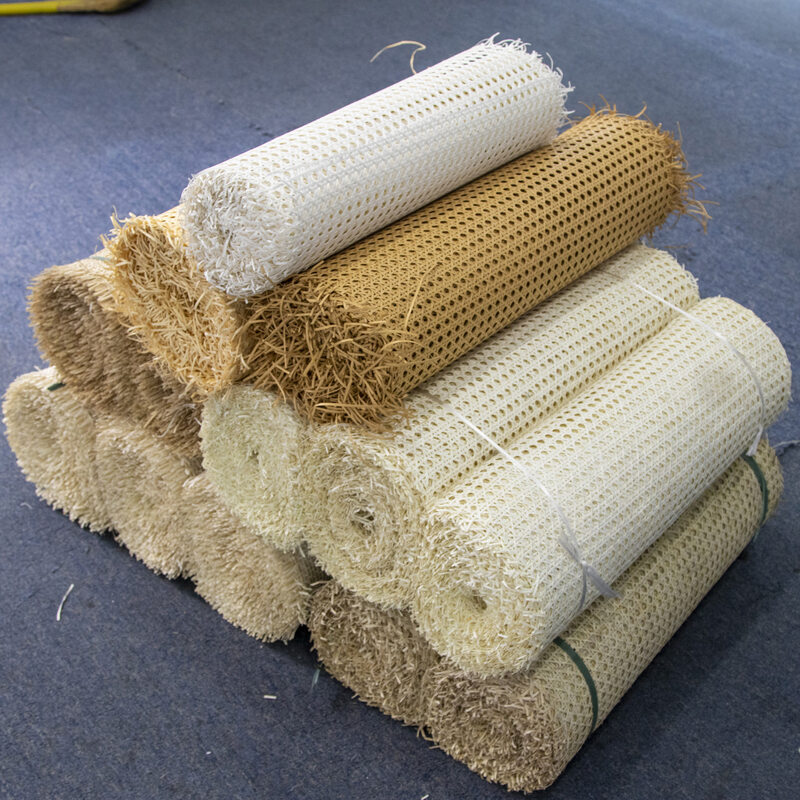
The United Kingdom market for rattan materials has a character distinct from any other major import destination. Where demand in other markets is often driven by volume production and trend adoption, the cane webbing UK market is defined by craftsmanship, heritage appreciation, and a restoration culture that keeps antique and period furniture in active use across generations. Natural fibre materials UK buyers specify — rattan cane webbing, rattan core, grasscloth wallpaper, and rattan mats — are chosen as much for their historical accuracy and material authenticity as for their decorative appeal.
The British market’s relationship with rattan furniture material UK craftspeople work with stretches back to the Victorian and Edwardian eras, when cane-backed chairs and woven rattan panels were standard in British domestic interiors. That heritage creates a sustained, specialist demand that is less susceptible to trend cycles and more rooted in material knowledge, craft skill, and the ongoing need to restore and maintain period furniture across the country’s vast stock of antique and vintage pieces.
Core Industries Driving Rattan Materials Demand in the United Kingdom
Antique & Heritage Furniture Restoration
The antique furniture restoration sector is the most distinctively British driver of demand for rattan materials United Kingdom buyers source. Victorian dining chairs, Edwardian parlour furniture, Lloyd Loom pieces, and pre-war cane-seated armchairs circulate continuously through auction houses, antique dealers, and private estates — and a significant proportion require cane panel replacement or structural rattan core re-binding as part of restoration. Skilled restoration workshops across Britain maintain active demand for antique furniture restoration materials UK craftspeople use to return period pieces to working condition, with accuracy to original materials and weave patterns a primary specification requirement.
Boutique Furniture Designers & Artisan Studios
The United Kingdom has a well-established community of small-batch furniture designers and artisan studios producing made-to-order pieces for the domestic and export market. These makers specify rattan furniture material UK designers incorporate for its craft associations and material warmth — cane webbing for chair backs and cabinet panels, rattan core for hand-binding detail on legs and frames. The emphasis is on craftsmanship and considered material choice rather than production scale, and natural fibre materials UK artisan makers source are selected on quality and authenticity grounds before price.
Interior Design & Architectural Studios
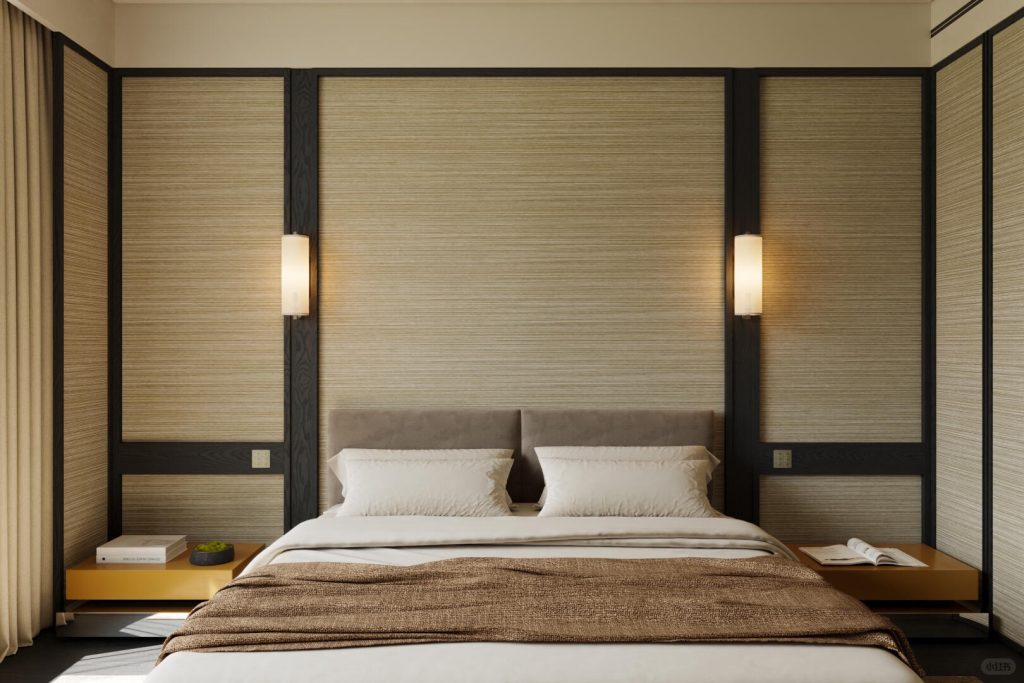
British interior design studios specifying interior natural materials Britain clients increasingly request incorporate rattan cane webbing and rattan mats as cabinet insert panels, wardrobe door insets, decorative screens, and textured wall finishes. The UK’s strong independent interior design sector — concentrated in London but active across major cities and country markets — generates consistent demand for natural fibre materials UK designers specify at project level for both residential and commercial commissions.
Hospitality & Heritage Properties
The United Kingdom’s exceptional density of heritage properties — country house hotels, period inns, historic estate conversions, and listed building renovations — creates a hospitality demand profile unlike any other English-speaking market. These properties require materials that are historically sympathetic, visually consistent with period interiors, and capable of performing in environments with significant foot traffic and humidity variation. Grasscloth wallpaper UK market demand from heritage hospitality properties is driven precisely by these requirements — the material’s organic texture and natural variation make it appropriate for period property interiors in a way that synthetic wall coverings cannot replicate.
Natural Fibre Material Applications in British Interiors
Rattan furniture material UK craftspeople, designers, and contractors work with serves distinct roles across restoration, furniture production, and interior specification:
Cane Webbing
- Dining and parlour chair seats and backs — the dominant cane webbing UK market application, primarily in restoration and heritage furniture contexts
- Wardrobe and cabinet door panels — widely used in kitchen, bedroom, and dressing room cabinetry as a natural, heritage-appropriate insert material
- Traditional furniture inserts — replacement panels for period sideboards, display cabinets, and settee backs
Rattan Core
- Hand-binding restoration work — structural re-wrapping of chair legs, arms, and frame joints in antique furniture restoration
- Structural detail finishing — applied to bespoke furniture frames by artisan makers working in the craft furniture tradition
Rattan Mats
- Decorative wall and ceiling textures — flat woven rattan panels applied in boutique interior and hospitality contexts
- Boutique interior accents — used in independent retail environments and small hospitality properties where natural material character is a design priority
Grasscloth Wallpaper
- Feature walls in period property redesign — the primary grasscloth wallpaper UK market application, where the material’s organic texture reads as historically appropriate
- Textural contrast in contemporary British flats — used by interior designers to introduce warmth into otherwise minimal white-wall interiors
- Heritage hospitality interiors — country house hotels and period inns where grasscloth provides both visual warmth and material authenticity
UK Design Trends & Aesthetic Context for Natural Materials
The dominant interior design movements driving demand for natural fibre materials UK designers specify are grounded in the country’s architectural heritage and cultural preference for materials with history. Heritage revival — the re-adoption of Victorian and Edwardian material references in contemporary British interiors — has kept rattan materials United Kingdom designers specify in consistent demand across both restoration and new production contexts. Country cottage aesthetics, particularly influential across southern England, the Cotswolds, and rural Scotland, rely on natural textures, woven surfaces, and warm organic materials as core references.
Modern British minimalism, which dominates much of the London residential and commercial interior market, has incorporated natural fibre as a counterpoint to hard, cool surfaces — rattan cane webbing panels and grasscloth wallpaper used as single-material feature moments in otherwise restrained schemes. Eco-luxury interiors, a growing segment of the UK high-end residential market, treat natural material sourcing as an explicit design and values statement, with buyers actively seeking materials with traceable, low-impact origins.
Regional Demand Patterns Across the United Kingdom
London — Interior Design Studios & High-End Residential
London concentrates the highest density of interior design studios, luxury residential projects, and specification-led demand for interior natural materials Britain’s design industry produces. The capital’s independent interior design sector — centred in Chelsea, Notting Hill, and Shoreditch — generates consistent demand for rattan materials United Kingdom designers source for high-value residential and commercial commissions.
Manchester & Birmingham — Independent Furniture Makers
The Midlands and Northern England contain active communities of independent furniture makers and small cabinetry businesses that specify rattan furniture material UK craftspeople work with for chair production and bespoke cabinet work. These markets are characterised by craft-oriented production at small to medium scale, with material quality and consistency prioritised over volume pricing.
Edinburgh & Scotland — Heritage Restoration Demand
Scotland’s significant stock of period architecture, estate properties, and heritage interiors drives sustained demand for antique furniture restoration materials UK restorers in Edinburgh, Glasgow, and rural Scotland source. The concentration of listed buildings and protected heritage properties creates a restoration market where material accuracy and historical appropriateness are primary sourcing criteria.
Coastal Towns — Boutique Hospitality Interiors
Coastal towns across Devon, Cornwall, East Anglia, and the Scottish coast have developed active boutique hospitality markets — independent hotels, holiday lets, and seaside restaurants — that specify grasscloth wallpaper UK market products and natural rattan materials as primary interior materials. The coastal aesthetic these properties project aligns naturally with organic, woven, and natural fibre surfaces.
Import & Supply Landscape for Natural Fibre Materials in the UK
The United Kingdom is fully import-dependent for rattan, jute, sisal, seagrass, and bamboo — none of which are domestically produced. The supply chain for natural fibre materials UK buyers access flows from international producers through UK importers and specialist distributors to end buyers. Post-Brexit, documentation requirements for natural material imports into the UK have become more structured, with phytosanitary certification and certificates of origin now essential compliance components for shipments entering from outside the EU. This regulatory environment places greater importance on working with international suppliers who understand UK import documentation requirements and can prepare compliant export packages for every shipment. For restoration workshops, boutique furniture makers, and interior design studios, the practical implication is that material consistency and supply reliability matter as much as material specification — a single batch inconsistency in weave density or moisture content can create visible quality issues in restoration and bespoke furniture work where there is no margin for variation.
Sustainability & Environmental Awareness in the UK Natural Materials Market
The UK market has some of the strongest consumer and regulatory sustainability awareness of any major import destination. British buyers across furniture, interior design, and hospitality sectors are subject to both consumer-facing sustainability pressure and an increasingly structured regulatory environment — including extended producer responsibility frameworks and building material sustainability requirements in commercial projects. Natural fibre materials UK buyers specify — rattan, jute, sisal, seagrass, and bamboo — carry genuine renewable material credentials: fast growth cycles, no deforestation requirements, and biodegradable end-of-life profiles. For UK interior brands, furniture makers, and hospitality buyers required to substantiate sustainability claims, the traceability of natural material sourcing has become a procurement consideration, not just a marketing preference.
Why Consistent International Supply Partnerships Matter for UK Buyers
For British furniture restorers, boutique furniture makers, and interior design studios, the quality of international supply relationships determines the quality and consistency of finished work. Antique furniture restoration materials UK craftspeople source must match historical weave patterns and material profiles accurately — inconsistency between batches is immediately visible in restoration work and unacceptable in heritage contexts. Boutique furniture designers specifying rattan furniture material UK studios work with need the assurance that repeat orders will match approved samples in weave, colour, and surface quality across the life of a production program.
For UK buyers exploring consistent natural fibre material supply:
- Wholesale Rattan Cane Webbing — furniture-grade cane webbing for hospitality seating and cabinet applications
- Wholesale Rattan Mats — flat woven panels for hospitality wall, ceiling, and interior accent applications
- Wholesale Grasscloth Wallpaper — commercial-grade natural fibre wallpaper for boutique hotel and residential projects
Supporting the United Kingdom’s Furniture & Interior Industry
The demand for rattan materials United Kingdom furniture makers, restorers, and interior designers work with is sustained by one of the world’s most active heritage craft and interior design markets. From Victorian chair restoration in Edinburgh workshops to boutique hotel fit-outs on the Cornish coast, natural fibre materials UK buyers specify sit at the intersection of craft tradition and contemporary design. International supply partnerships built on material accuracy, documentation reliability, and consistent quality are the foundation of that work.