Rattan & Natural Fiber Materials in the South Korean Market
South Korea’s demand for rattan materials is driven by one of the most design-conscious and trend-responsive interior markets in Asia — a country where interior aesthetics are closely tied to lifestyle identity, where apartment renovation is a culturally significant form of personal expression, and where natural woven materials have moved into the mainstream of contemporary design precisely because they satisfy the Korean market’s demand for surfaces that are visually refined, texturally warm, and materially authentic without being decoratively loud.
Natural fibre materials Korea’s interior designers, boutique furniture brands, and café interior operators source are selected for their contribution to the warm minimalist and Japandi-influenced aesthetics that dominate South Korean residential and commercial design — a market where material subtlety and visual precision are the primary quality criteria.
Natural Fibre Materials in South Korea – A Trend-Sensitive Design Market

Rattan materials South Korea’s interior design community engages with operate within a market defined by fast trend cycles, high aesthetic expectations, and the pervasive influence of social media and K-lifestyle culture on interior design adoption. The cane webbing Korea market reflects this dynamic clearly — natural woven materials moved into widespread Korean interior adoption through social media-driven design content, café interior aesthetics, and the influence of Japandi design on Korean residential styling.
Interior materials South Korea’s design community adopts typically arrive through design studio innovation, spread through lifestyle media and online platforms, and achieve mass residential adoption within compressed timeframes that would be considered rapid in any other comparable market. This trend sensitivity shapes what the Korean natural materials market demands: consistent aesthetic quality, stable supply for limited-edition and small-batch design programs, and surface finishing that meets the premium visual standards of a market where material presentation is scrutinised at close range.
Core Industries Driving Rattan Materials Demand in South Korea
Interior Design Studios
South Korea’s apartment renovation interior design sector — one of the most active residential design markets in Asia relative to population size — is the primary demand channel for rattan furniture material South Korea’s professional design community sources. Interior studios working on Seoul apartment renovations, high-specification residential projects in Gangnam and Mapo, and design-forward commercial fit-outs specify cane webbing cabinet inserts, sliding wardrobe panels with natural woven facing, and rattan mat wall surface applications as standard elements of contemporary Korean interior schemes. The Korean residential design market’s premium finishing expectations mean that surface quality, weave consistency, and edge finish accuracy are evaluated at a level of detail that reflects a market accustomed to high-quality domestic manufacturing standards.
Boutique Furniture Brands
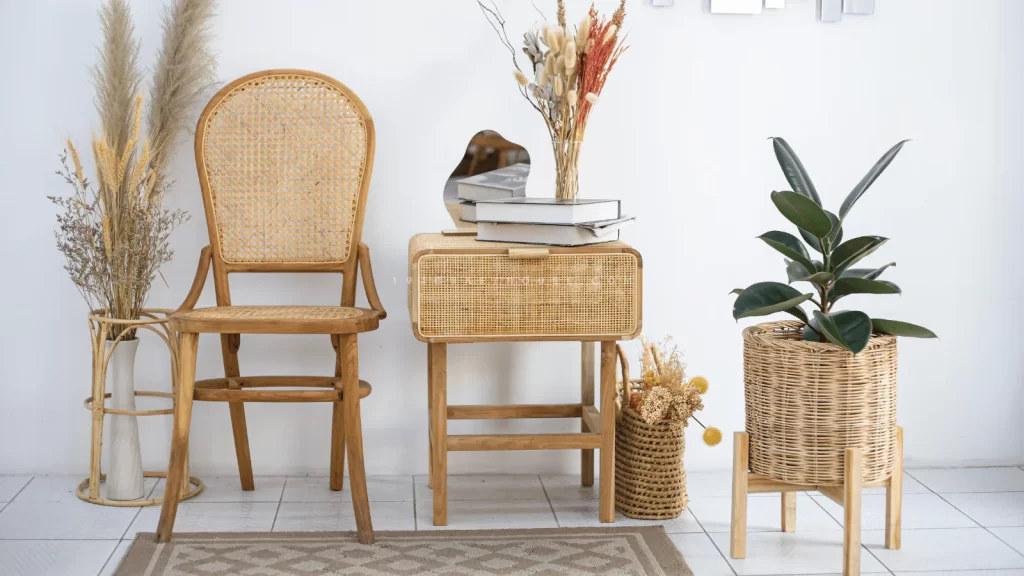
South Korea’s social-media-driven boutique furniture sector — producing small-batch, design-led pieces for the domestic market and international design-conscious buyers — generates demand for cane webbing Korea market suppliers source for cane-backed chair production, textured cabinet front panels, and limited-edition furniture collections where natural woven material is the primary design statement. These brands operate on fast development cycles driven by trend responsiveness, and they require natural fibre materials Korea’s boutique furniture community sources in quantities and specifications that align with small-batch production programs rather than industrial manufacturing volume.
Café & Lifestyle Retail Interiors
South Korea’s extraordinarily active café culture — which has produced one of the world’s highest café densities per capita and a globally influential café interior aesthetic — is a significant demand driver for café interior natural materials Korea’s food and beverage design community specifies. Korean café interiors are design-forward, social-media-optimised, and refreshed on competitive cycles that keep natural material specification in constant motion. Cane webbing feature walls, rattan-backed seating, ceiling detail panels in natural mat materials, and grasscloth wallpaper Korea’s café interior designers specify for accent wall applications are all part of the natural material vocabulary that defines the warm minimalist café aesthetic South Korea has exported globally.
Residential High-Rise Developments
South Korea’s compact high-rise apartment landscape — concentrated in Seoul’s dense residential districts and expanding to Busan, Incheon, and other major urban centres — creates consistent demand for natural fibre materials Korea’s residential market sources for space-efficient interior applications. In compact apartment layouts where every material choice carries significant visual weight, natural woven textures are specified for their ability to introduce warmth and organic character without visual bulk — cane webbing sliding wardrobe panels, rattan mat accent walls, and grasscloth feature surfaces that add material depth to otherwise neutral, minimal interior schemes.
Natural Fibre Material Applications in Korean Interior Projects
Rattan materials South Korea’s design and lifestyle sectors incorporate serve precise roles within the warm minimalist aesthetic that defines Korean contemporary interiors:
Cane Webbing
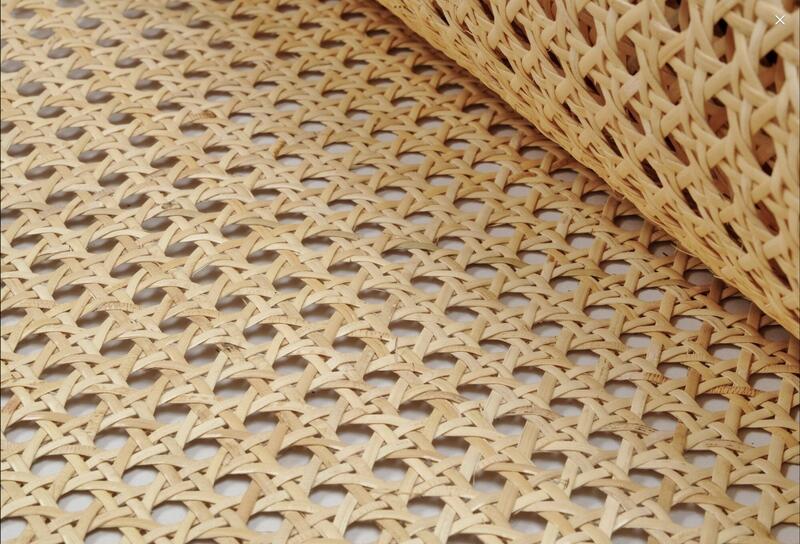
- Sliding wardrobe door panels — the dominant cane webbing Korea market residential application, introducing natural texture into bedroom storage furniture across Seoul apartment renovations
- Dining chair backs and seats — specified by boutique furniture brands and interior studios for both residential and café applications
- Room dividers and decorative partitions — used in open-plan apartment layouts and café interiors to define spatial zones with natural material texture
Rattan Core
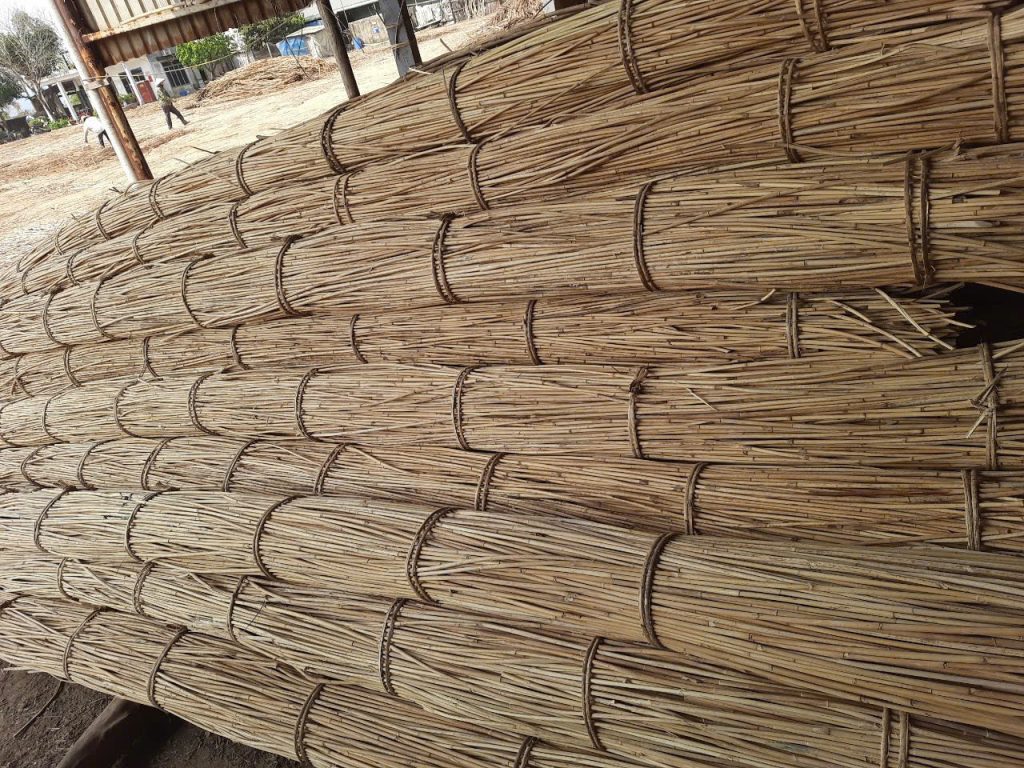
- Fine structural detailing — used by Korean boutique furniture makers for chair arm and leg binding and decorative frame finishing on limited-edition pieces
- Custom residential furniture — incorporated into bespoke commissioned pieces by interior design studios working on high-specification apartment projects
Rattan Mats
- Textural wall surfaces — flat woven rattan panels used as feature wall cladding in residential living rooms and café interiors
- Decorative ceiling inserts — specified in café and boutique retail interior projects for natural material ceiling accent details
Grasscloth Wallpaper
- Apartment feature walls — the primary grasscloth wallpaper Korea application in residential interior design, introducing organic wall texture into compact living spaces
- Café feature surfaces — specified across South Korea’s design-forward café sector for natural wall texture that photographs well and creates warm ambient environments
Korean Design Trends & Aesthetic Context for Natural Materials
The interior design movements shaping demand for rattan materials South Korea’s residential and commercial sectors generate are among the most clearly defined and rapidly evolving of any market in this series. Japandi — the fusion of Japanese minimalism and Scandinavian warmth — is the dominant aesthetic influence in rattan furniture material South Korea’s Japandi-oriented premium residential market treats natural woven surfaces as essential warmth-introducing elements within otherwise pale, clean-lined interior schemes. Interior materials South Korea’s Japandi-influenced design community specifies must satisfy the aesthetic precision of a movement that values material authenticity, visual restraint, and the specific quality of warmth that natural organic surfaces — rather than artificial alternatives — introduce into minimal interiors.
Contemporary organic design, warm minimalism, and the soft neutral palette aesthetic that has swept South Korean interior media over the past decade all reinforce demand for natural fibre materials Korea’s design community sources. Unlike Canada’s rustic warmth reference or France’s decorative elegance, Korean natural material adoption is fundamentally visual and trend-driven — materials are specified because they satisfy a precise aesthetic requirement within a coherent design language, and they are replaced or supplemented when new natural material references enter the trend cycle.
The K-lifestyle influence — the global export of Korean interior and living culture through social media, entertainment, and design media — has also made South Korean café and residential aesthetics a global design reference point, with natural woven material adoption in Korea frequently anticipating its uptake in other markets.
Regional Demand Patterns Across South Korea
Seoul — Design Innovation & Trend Leadership
Seoul generates the overwhelming majority of South Korea’s design innovation and interior trend leadership. The city’s districts of Seongsu-dong, Itaewon, and Mapo are where new natural material applications in café, retail, and residential interiors emerge and spread — making Seoul the primary demand node for rattan furniture material South Korea’s design community sources for new collection and renovation projects.
Busan — Coastal Lifestyle & Boutique Hospitality
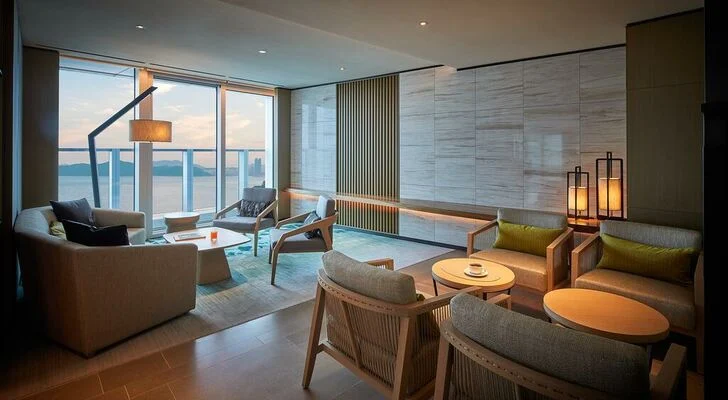
Busan’s coastal lifestyle culture and growing boutique hospitality sector generate demand for natural fibre materials Korea’s second city sources for resort-adjacent residential design and boutique hotel interior applications where natural texture complements the city’s marine environment and outdoor lifestyle orientation.
Incheon — Residential Development Growth
Incheon’s expanding residential development market — driven by proximity to Seoul and active new housing construction — generates growing demand for interior materials South Korea’s new residential sector adopts from the design trends established in Seoul, creating a diffusion market for natural woven materials that have achieved mainstream adoption in the capital.
Import & Supply Landscape for Natural Fibre Materials in South Korea
South Korea imports all natural fibre materials — rattan, cane, jute, sisal, and bamboo are not domestically produced. The country’s trend-sensitive design market creates a specific supply challenge: boutique furniture brands and café interior operators often require natural fibre materials in small-to-medium quantities with fast turnaround, and the aesthetic consistency of materials across repeated orders is a quality expectation rather than a premium requirement. Unlike Saudi Arabia’s project-based mega-batch procurement, South Korea’s demand is characterised by design-sensitive small-batch ordering cycles where material visual consistency — colour, weave density, surface texture — is evaluated at individual piece level by designers whose clients have high aesthetic expectations.
Sustainability & Lifestyle Branding in the South Korean Market
South Korea’s sustainability orientation in natural material adoption is lifestyle and branding-driven rather than regulatory — a pattern distinct from Germany’s compliance framework and Canada’s consumer eco-culture. Korean consumers and interior designers increasingly associate natural woven materials with clean living, healthy interiors, and lifestyle values that social media has embedded in the premium residential and café aesthetic.
Café interior natural materials Korea’s operators specify are often positioned explicitly as elements of a natural, health-conscious lifestyle brand narrative — the organic warmth of cane webbing and grasscloth wallpaper functions as a material signal of the café’s values positioning as much as its design aesthetic. For Korean boutique furniture brands with international market ambitions, renewable natural material credentials are becoming a product positioning asset in export markets where sustainability documentation is increasingly expected.
Why Consistent International Supply Matters for Korean Brands
For South Korea’s interior design studios, boutique furniture brands, and café interior operators, the consistency of natural fibre material supply is a design quality and brand reputation concern. Rattan materials South Korea’s trend-sensitive design brands source must match approved samples precisely across repeat orders — a single weave density variation or colour inconsistency in a natural woven material order is visible to Korean design professionals trained to evaluate surface quality at high aesthetic standards. For boutique furniture brands producing limited collections for design-conscious Korean and export buyers, material consistency is a product quality requirement that directly affects brand reputation.
For South Korean buyers exploring consistent natural fibre material supply:
- Wholesale Rattan Cane Webbing — furniture-grade cane webbing for apartment renovation, boutique furniture, and café interior applications
- Wholesale Rattan Core — fine structural binding material for boutique furniture craft production
- Wholesale Grasscloth Wallpaper — natural fibre wallpaper for residential feature walls and café interior applications
Supporting South Korea’s Interior & Furniture Innovation
South Korea’s demand for rattan materials — with rattan materials South Korea’s design community anchored in one of Asia’s most design-innovative interior markets, a globally influential café culture, and a residential design sector that treats natural material adoption as a lifestyle statement as much as an aesthetic choice — represents a market where visual precision, trend responsiveness, and supply consistency are the primary criteria for natural fibre material sourcing relationships. Natural fibre materials Korea’s design community specifies must satisfy aesthetic standards that are among the most exacting in the region.