Rattan & Natural Fiber Materials in the Canada Market
The rattan materials Canada market is defined by a strong emphasis on sustainability, craftsmanship, and design-conscious material selection. Unlike high-volume production markets, Canada’s demand is driven by eco-aware consumers, boutique furniture makers, and interior designers who prioritize natural origin, transparency, and long-term performance. As residential renovation trends continue to grow and sustainable design becomes a standard rather than a niche, rattan and natural fibre materials are increasingly specified as essential elements in both modern and rustic interior applications across the country.
Natural Fibre Materials in Canada – An Eco-Conscious Market
Canada’s demand for rattan materials is shaped by a combination of strong environmental values, a high-purchasing-power consumer base, and a residential renovation culture that consistently prioritises natural, sustainable materials over synthetic alternatives. Natural fibre materials Canada’s interior designers, custom furniture workshops, and residential renovators specify are chosen as much for their environmental credentials and material authenticity as for their decorative performance. The Canadian market is not defined by production scale or heritage restoration tradition — it is defined by considered, eco-conscious material choice and a preference for interiors that carry visible craft and natural material integrity.
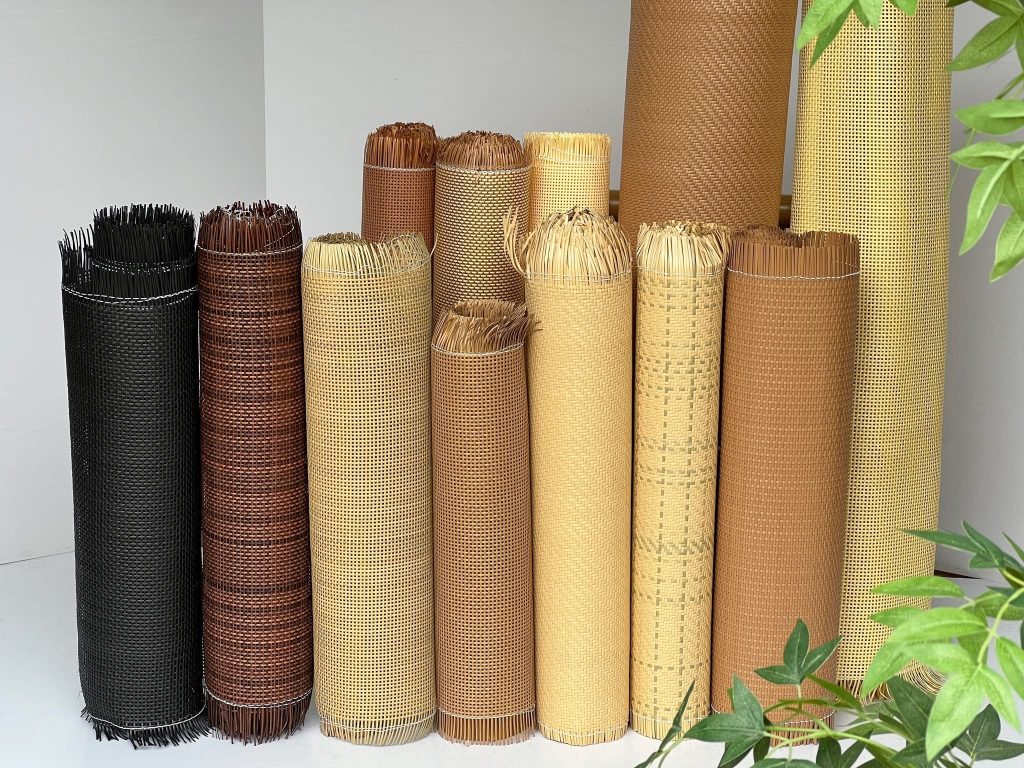
The cane webbing Canada market reflects this orientation clearly. Canadian interior designers and boutique furniture makers incorporate cane webbing primarily as a sustainable material statement — a choice that signals craft-awareness and environmental positioning — rather than as a volume production input or a heritage restoration requirement. Rattan furniture material Canada’s design and renovation sectors work with occupies a space between the large-scale demand of the US market and the restoration specificity of the UK, defined instead by boutique production, renovation-driven demand, and a design culture influenced by Scandinavian minimalism, West Coast naturalism, and the warm rustic aesthetic of Canada’s lodge and mountain interior tradition.
Core Industries Driving Rattan Materials Demand in Canada
Boutique & Custom Furniture Workshops
Canada’s boutique and custom furniture sector — concentrated in British Columbia, Ontario, and Quebec — represents the primary professional demand channel for rattan materials Canada’s craft furniture market generates. Unlike the large workshop model common in US furniture manufacturing, Canadian furniture makers operate at smaller scale with a stronger emphasis on craftsmanship, considered material selection, and custom production for residential and hospitality clients. These makers specify natural fibre materials Canada’s craft sector sources for cane webbing panels, rattan core binding, and decorative material details on bespoke pieces where material authenticity is a design requirement, not merely a production input.
Sustainable Interior Design Firms
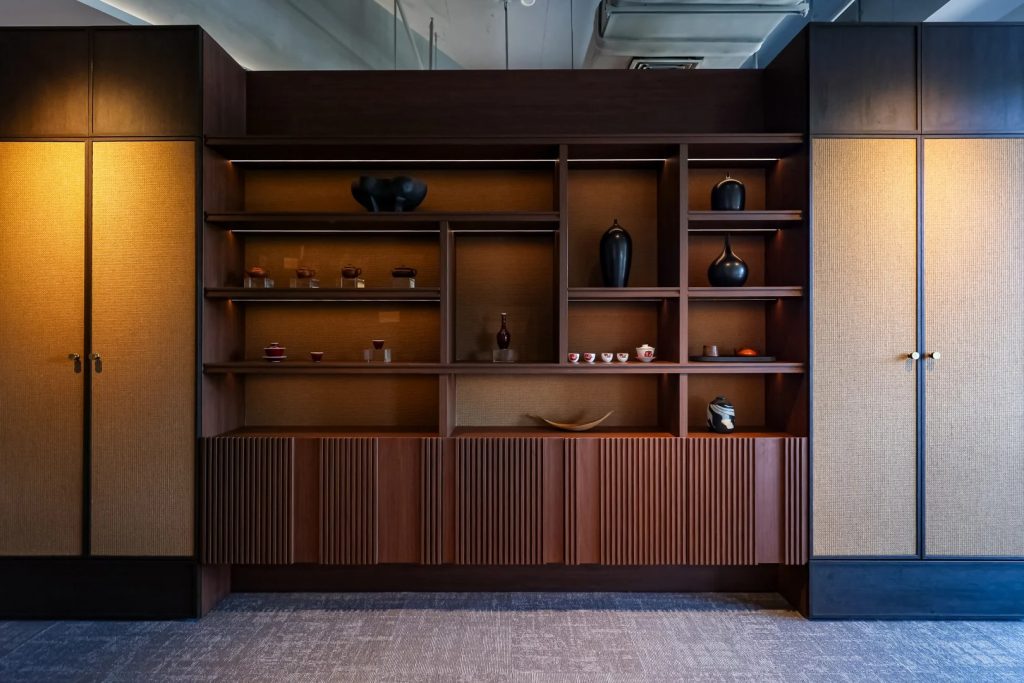
Canada’s strong environmental positioning in professional interior design creates consistent demand for sustainable interior materials Canada’s design firms specify as part of eco-certified residential and commercial projects. Interior designers working within LEED-certified building programs, B Corp-aligned clients, or sustainability-conscious residential briefs actively seek natural fibre alternatives to synthetic panel materials — rattan cane webbing, rattan mats, and grasscloth wallpaper all meet the renewable, plant-based, low-synthetic-content criteria that sustainable interior specifications require. Material transparency — the ability to document the sourcing and production origin of specified materials — is an increasingly standard expectation in this segment.
Residential Renovation & DIY Market
Canada has one of the most active residential renovation cultures in the developed world, and the DIY cabinetry upgrade market is a significant driver of cane webbing Canada market demand at the consumer and semi-professional level. Cabinet door inserts — replacing solid or glass panels with woven cane webbing — are among the most searched and executed home renovation projects in Canadian interior design communities. Wardrobe panel upgrades, decorative accent wall installations, and kitchen refresh projects using natural woven materials have become standard renovation content across Canadian design media, driving awareness and demand that flows through to professional sourcing.
Hospitality & Lodge-Style Interiors
Canada’s mountain lodge, eco-resort, and boutique hotel sector generates distinctive demand for rattan furniture material Canada’s hospitality design market sources — different in character from Australia’s coastal resort demand and the UK’s heritage property context. Canadian lodge interiors prioritise warmth, natural material layering, and the visual comfort of organic textures in cold-climate environments where the contrast between exterior conditions and interior warmth is a central design objective. Natural woven rattan materials, warm-toned grasscloth wallpaper, and rattan mat panel installations are consistently specified in this context.
Natural Fibre Material Applications in Canadian Interiors
Rattan materials Canada’s residential, boutique, and hospitality sectors incorporate serve specific roles across furniture, cabinetry, and interior finish applications:
Cane Webbing
- Kitchen cabinet door inserts — the dominant cane webbing Canada market application in residential renovation, driven by the DIY cabinet refresh trend
- Dining chair backs and seats — specified in boutique furniture production and hospitality seating for sustainable natural material positioning
- Wardrobe door panels — used in residential bedroom furniture as a natural texture alternative to mirrored or lacquered panel surfaces
Rattan Core
- Binding in custom furniture — hand-applied to chair and cabinet frames by boutique furniture makers as structural and decorative detail
- Structural finishing detail — used in bespoke residential furniture where natural material texture is a design specification
Rattan Mats
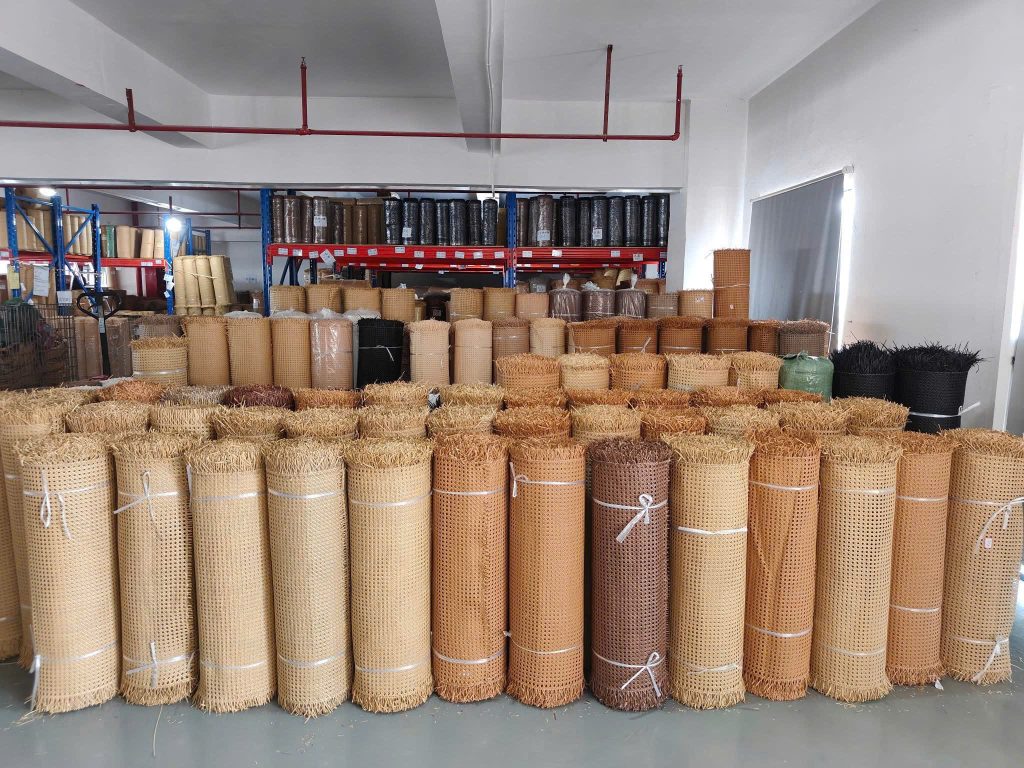
- Wall panelling accents — flat woven rattan panels applied in residential living rooms, bedrooms, and boutique hospitality interiors
- Textural ceiling elements — used in lodge and mountain resort interiors to introduce organic warmth into high-ceiling architectural spaces
Grasscloth Wallpaper
- Feature walls in residential renovation — the primary grasscloth wallpaper Canada market application, driven by sustainable interior design positioning
- Natural wall coverings for boutique hotels — specified in lodge and eco-resort interiors for their organic texture and renewable material credentials
- Scandinavian-influenced residential interiors — used to introduce natural warmth into otherwise minimal, pale-toned interior schemes
Canadian Design Trends & Aesthetic Context for Natural Materials
The interior design movements driving demand for natural fibre materials Canada’s residential and commercial markets generate reflect the country’s distinctive cultural geography. Scandinavian-inspired interiors — the dominant aesthetic influence in urban Canadian residential design, particularly in Toronto, Vancouver, and Montreal — create demand for natural woven textures as warmth-introducing elements within otherwise pale, minimal schemes. The combination of light timber, white walls, and layered natural textures that defines this aesthetic treats cane webbing and grasscloth wallpaper Canada market buyers specify as essential material components, not decorative additions.
Modern rustic design, heavily influenced by Canada’s mountain and wilderness landscape culture, generates demand for rattan materials with natural, warm-toned finishes that reinforce the organic material language of lodge and cabin-inspired interiors. West Coast contemporary — the defining residential aesthetic of British Columbia, characterised by strong indoor-outdoor connection, natural material palette, and biophilic design principles — creates consistent demand for sustainable interior materials Canada’s West Coast design community specifies across both residential and boutique hospitality projects. Across all of these trend directions, the common thread is environmental alignment: materials chosen for their natural origin, visible craft, and renewable production are valued both aesthetically and ethically in the Canadian market.
Regional Demand Patterns Across Canada
British Columbia — West Coast Natural Aesthetic
British Columbia generates Canada’s strongest demand for sustainable interior materials from an eco-design perspective. The province’s West Coast contemporary aesthetic, biophilic design culture, and concentration of sustainability-certified interior projects drive consistent demand for natural fibre materials Canada’s most environmentally conscious regional market produces. Vancouver’s design studio community actively specifies renewable natural materials as part of both residential and commercial project briefs.
Ontario — Residential Renovation & Custom Furniture
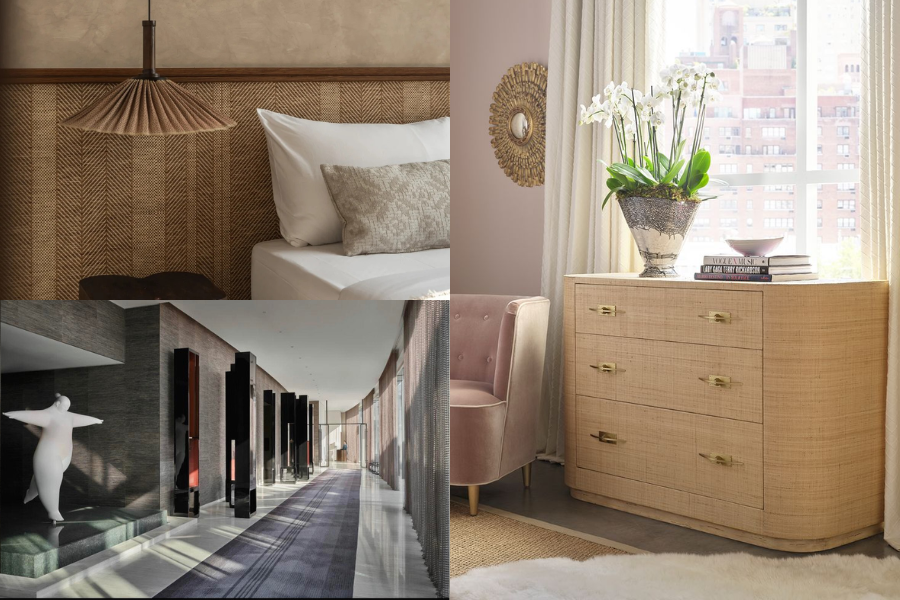
Ontario, and Toronto in particular, represents Canada’s largest residential renovation market and its most active custom furniture sector. The demand for cane webbing Canada market buyers in Ontario generate is driven by a combination of high residential renovation activity, a well-established boutique furniture making community, and a design-literate consumer base that actively follows North American interior trends toward natural and craft materials. Furniture restoration materials Canada’s Ontario craftspeople source for antique chair and cabinet work also contribute to steady demand from the province’s active vintage and antique furniture market.
Quebec — Design-Forward Boutique Studios
Quebec’s design culture — influenced by European aesthetic traditions and a strong independent design community in Montreal — generates demand for rattan furniture material Canada’s francophone design market sources from boutique interior studios working on residential and commercial commissions. Quebec buyers tend toward higher design specificity and European-influenced material references, creating demand for natural fibre materials at the quality and consistency level that boutique studio work requires.
Alberta — Lodge & Rustic Hospitality Interiors
Alberta’s mountain resort corridor — Banff, Jasper, and Canmore — generates distinctive hospitality demand for natural woven materials that reinforce the warm, organic aesthetic of mountain lodge interiors. Rattan mats, natural-tone cane webbing, and grasscloth wallpaper Canada market buyers in Alberta source for lodge fit-outs and boutique mountain hotel renovations where natural material warmth is a fundamental design requirement.
Import & Distribution Landscape for Natural Fibre Materials in Canada
Canada relies almost entirely on imported rattan materials Canada’s market depends on — rattan, cane, jute, sisal, and seagrass are not domestically produced, and the country’s domestic natural materials production base is minimal. The supply chain for natural fibre materials Canada’s market accesses flows from international producers through Canadian importers and specialty material distributors to furniture workshops, interior design studios, and renovation retailers. Canada’s climate introduces a specific material consideration that distinguishes it from other import markets: cold, dry winters create indoor humidity conditions that can affect dimensional stability in natural woven materials if moisture content is not properly controlled during production and transit. Furniture restoration materials Canada’s craftspeople source for period chair and cabinet work face the same moisture consideration — material that arrives with inconsistent moisture content performs differently across seasonal humidity variations, creating quality issues in restoration and bespoke furniture work that are difficult to remediate after installation.
Sustainability & Environmental Awareness in the Canadian Market
Canada’s environmental culture is consumer-driven and lifestyle-integrated in a way that distinguishes it from both the UK’s regulatory framework and Australia’s eco-tourism orientation. Canadian consumers and professional buyers across interior design and furniture making actively seek sustainable interior materials Canada’s design community positions as expressions of environmental values — not merely compliance requirements or certification checklist items. Rattan materials Canada’s eco-conscious buyers specify — rattan cane webbing, rattan mats, and grasscloth wallpaper — are natural fits: rapidly renewable, biodegradable, and produced without the synthetic chemical content that eco-conscious Canadian buyers seek to avoid. The long lifecycle of quality natural woven materials — which outlast many synthetic alternatives when properly specified and installed — reinforces the sustainability positioning that drives Canadian buyer preference toward natural fibre options.
Why Consistent International Supply Matters for Canadian Buyers
For Canadian boutique furniture workshops, sustainable interior design firms, and renovation-focused buyers, the reliability of international natural material supply has direct implications for project quality and client outcomes. Rattan materials Canada’s smaller-scale professional buyers source must arrive with consistent moisture content, matched weave density, and predictable lead times — requirements that are as demanding for a ten-chair custom dining set commission as for a large commercial project. The distance from Southeast Asian production origins means that supply problems cannot be quickly resolved through local reordering, and project timelines — particularly for residential renovation clients with defined move-in dates — do not accommodate material delays or quality substitutions.
For Canadian buyers exploring consistent natural fibre material supply:
- Wholesale Rattan Cane Webbing — furniture-grade cane webbing for hospitality seating and cabinet applications
- Wholesale Rattan Mats — flat woven panels for hospitality wall, ceiling, and interior accent applications
- Wholesale Grasscloth Wallpaper — commercial-grade natural fibre wallpaper for boutique hotel and residential projects
Supporting Canada’s Furniture & Interior Professionals
Canada’s demand for rattan materials — anchored in a strong eco-conscious consumer culture, an active residential renovation market, and a boutique furniture and interior design sector that prioritises material authenticity — represents one of the most values-driven natural materials markets in the world. Natural fibre materials Canada’s design professionals specify are held to high standards of consistency, sustainability credential, and material quality. International supply relationships that meet those standards reliably are the foundation of long-term sourcing partnerships in this market.