Rattan & Natural Fiber Materials in the Australia Market
The rattan materials Australia market stands out as one of the most design-driven and hospitality-led segments in the global natural materials industry. With a strong café culture, coastal lifestyle, and emphasis on indoor-outdoor living, Australia has created consistent demand for natural fibre materials that deliver both aesthetic warmth and functional performance. From boutique hotel fitouts to coastal residential interiors, rattan-based materials are widely specified not as decorative additions, but as essential design elements that align with the country’s preference for light, breathable, and organic spaces.
Natural Fibre Materials in Australia – A Hospitality-Led Market
Australia’s demand for rattan materials is shaped by two defining characteristics that set it apart from every other major import market: a hospitality and café culture that rivals any in the world, and a coastal lifestyle that treats natural texture, warmth, and breathable materials as foundational interior requirements rather than design preferences. Natural fibre materials Australia’s designers, hospitality operators, and furniture makers specify are selected for their ability to perform in bright, light-saturated environments, to hold up in semi-outdoor and high-traffic commercial settings, and to carry the relaxed, organic aesthetic that Australian interior culture consistently gravitates toward.
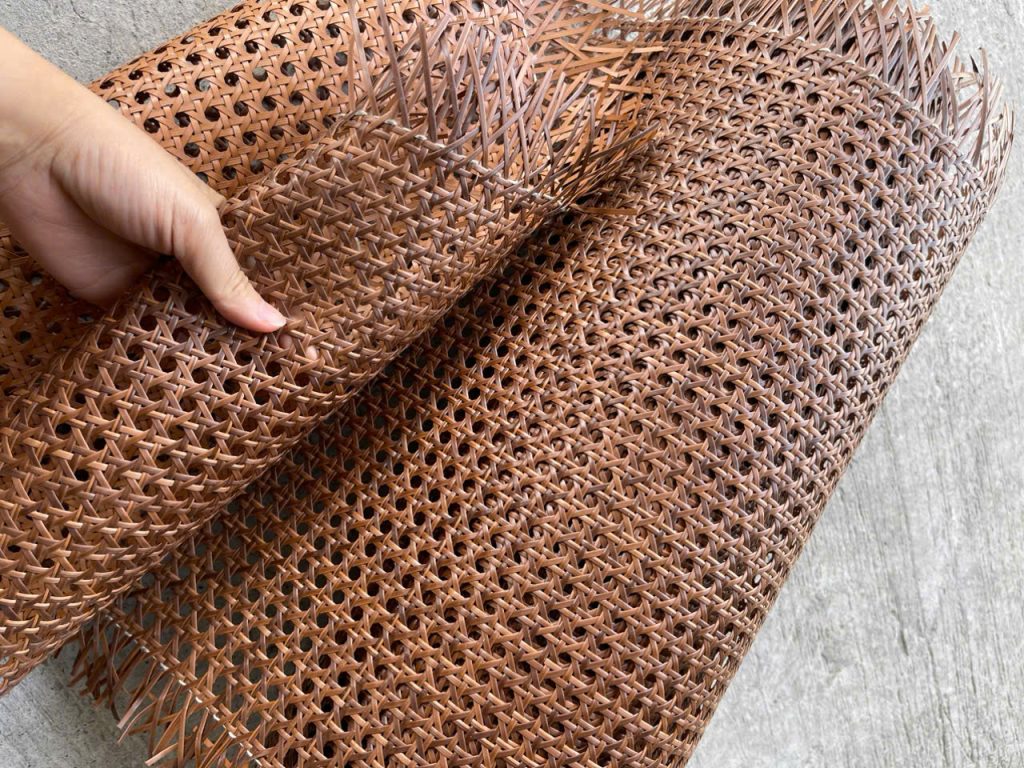
The cane webbing Australia market reflects this orientation directly. Rattan-backed dining chairs and cane panel cabinet inserts appear across Australia’s café strip fitouts, boutique hotel rooms, and coastal residential renovations with a frequency that signals cultural adoption rather than trend cycling. Rattan furniture material Australia’s interior and hospitality sectors work with is a material that belongs to the environment — it reads as natural, as appropriate to light and warmth, and as consistent with the indoor-outdoor living culture that defines how Australians use their homes and hospitality spaces.
Core Industries Driving Rattan Materials Demand in Australia
Hospitality & Commercial Interiors
Hospitality represents the most distinctive and highest-volume demand driver for hospitality interior materials Australia’s sourcing market generates. Boutique hotels, beach resorts, eco-lodges, and the country’s extraordinarily dense café and restaurant culture all generate consistent demand for cane-backed seating, natural woven wall panels, decorative partitions, and feature ceiling installations. Australian hospitality designers specify natural fibre materials Australia’s commercial interiors incorporate not merely for aesthetic reasons but for practical ones — woven rattan and cane surfaces perform well under the combination of strong ambient light, high humidity in coastal environments, and the wear patterns that high-turnover food and beverage venues impose on interior materials.
Interior Designers & Architectural Studios
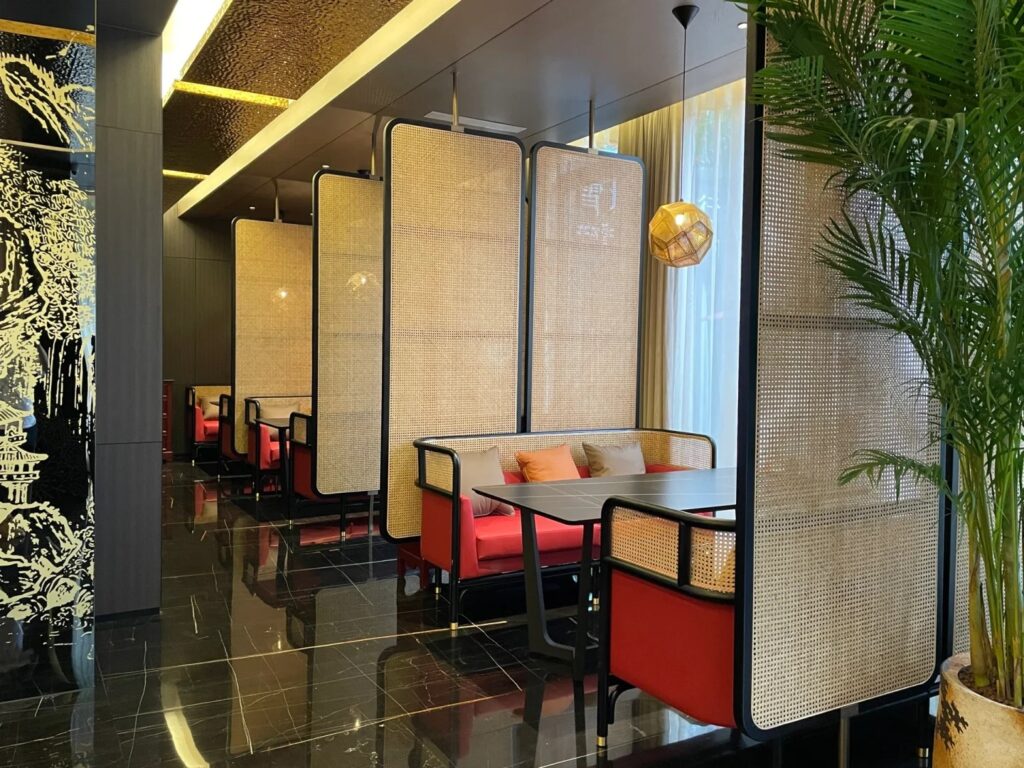
Coastal residential projects — luxury beachfront homes across the Gold Coast, Byron Bay, the Mornington Peninsula, and Western Australia’s coastline — represent a significant and growing demand channel for rattan furniture material Australia’s residential interior market generates. Interior designers specifying for these properties routinely incorporate cane webbing as cabinet inserts and wardrobe panels, rattan mats as decorative wall cladding, and grasscloth wallpaper as feature wall materials that introduce natural texture into interiors built around light timber, white plaster, and coastal material palettes.
Boutique Furniture Manufacturers
Australia’s boutique furniture manufacturing sector — concentrated in Melbourne and Sydney, with smaller communities in Brisbane and Adelaide — produces custom and small-batch furniture pieces for the domestic design and hospitality market. These makers specify natural fibre materials Australia’s craft furniture sector sources for cane webbing panels, rattan core binding, and decorative material applications on bespoke pieces designed for coastal homes, boutique hotel rooms, and design-forward restaurant interiors. The emphasis is on design quality and material authenticity rather than production volume.
Outdoor & Semi-Outdoor Applications
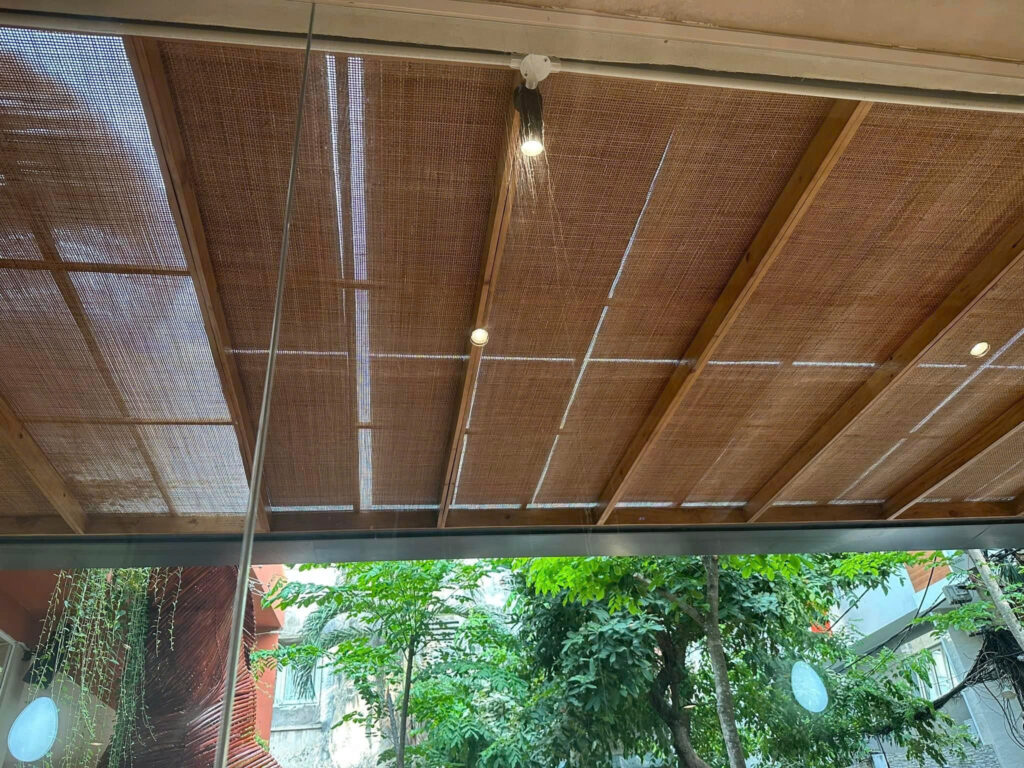
Australia’s climate and lifestyle create a distinct demand category that few other markets match — semi-outdoor and transitional living spaces where interior-quality materials are specified for patios, covered terraces, sunrooms, and alfresco dining areas. Natural woven rattan panels and cane webbing are regularly incorporated into these spaces as decorative partitions, screening panels, and textural accent materials that bridge the indoor and outdoor environments Australian residential architecture consistently seeks to connect.
Natural Fibre Material Applications in Australian Design Projects
Rattan materials Australia’s hospitality, residential, and commercial sectors incorporate serve specific decorative and functional roles:
Cane Webbing
- Restaurant and café dining chairs — the dominant cane webbing Australia market application, present across virtually every urban and coastal hospitality strip
- Hotel lounge and guestroom seating — specified in boutique hotel fitouts for its lightweight, breathable surface quality
- Cabinet doors in coastal homes — used by interior designers for kitchen, bedroom, and bathroom cabinetry as a natural texture insert
Rattan Core
- Binding for custom furniture frames — used by boutique furniture makers for decorative leg and arm wrapping on bespoke hospitality and residential pieces
- Decorative structural detailing — applied to custom furniture designs where natural material texture is a specification requirement
Rattan Mats
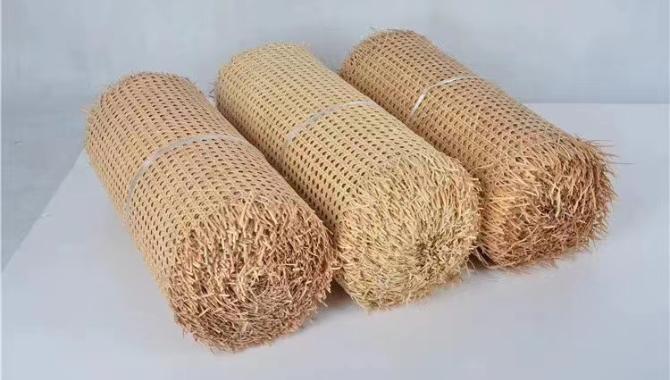
- Ceiling accents in hospitality interiors — flat woven rattan panels installed in café and restaurant ceilings to introduce warmth and acoustic softening
- Wall panels in resort and boutique hotel rooms — specified as feature wall cladding that reinforces coastal and tropical design identities
Grasscloth Wallpaper
- Boutique hotel rooms and corridors — grasscloth wallpaper Australia’s hospitality designers specify for its ability to introduce natural texture and warmth at scale
- Restaurant feature walls — used in food and beverage fitouts to create visually warm, materially authentic interior environments
- Luxury coastal residential — specified in high-end beachfront homes for living rooms and bedrooms where natural wall texture complements coastal material palettes
Australian Design Trends & Aesthetic Context for Natural Materials
The dominant interior design movements driving demand for natural fibre materials Australia’s design market generates are rooted in the country’s geographical and cultural identity. Coastal contemporary — the pervasive residential aesthetic across Australia’s populated coastline — relies on a specific material language: light timber, white or sand-toned plaster, woven natural textures, and organic material combinations that respond to strong natural light and sea-facing environments. Rattan materials Australia’s coastal interior designers specify fit this language precisely — they are visually lightweight, textually warm, and materially appropriate to environments defined by sun, air, and natural landscape proximity.
Relaxed luxury, the defining mode of Australian boutique hospitality, treats natural materials as the primary vehicle for quality signalling — resort interior natural materials that read as organic, handcrafted, and environmentally grounded are preferred over synthetic alternatives that signal mass production. Modern organic design and biophilic interior approaches, both strongly adopted in Australian commercial and residential markets, further embed natural fibre materials as essential components of considered interior schemes. The contrast with Canada’s Scandinavian-influenced minimalism, the UK’s heritage references, and the US farmhouse aesthetic is clear — Australian design gravitates toward warmth, lightness, and coastal environmental alignment.
Regional Demand Patterns Across Australia
Sydney — High-End Residential & Luxury Hospitality
Sydney concentrates Australia’s highest-value residential renovation market and a sophisticated boutique hospitality sector generating consistent demand for rattan materials Australia’s largest design market produces. Interior design studios in Paddington, Surry Hills, and the Eastern Suburbs specify natural fibre materials for luxury apartment renovations, boutique hotel fitouts, and high-end restaurant interiors across the city.
Melbourne — Boutique Cafés & Design-Forward Interiors
Melbourne’s globally recognised café culture and independent retail design scene make it the most active market for cane webbing Australia market applications in food and beverage hospitality. The city’s design-forward interior culture — expressed through its density of independent furniture makers, interior studios, and boutique hospitality operators — drives consistent demand for natural woven materials across commercial and residential projects.
Brisbane & Gold Coast — Resort & Coastal Properties

Southeast Queensland’s combination of resort hospitality and luxury coastal residential development makes it the strongest regional market for resort interior natural materials and grasscloth wallpaper Australia applications in hospitality contexts. The Gold Coast’s boutique hotel development pipeline and Byron Bay’s eco-luxury positioning generate project-scale demand for natural fibre materials across room fitouts and common area installations.
Perth — Boutique Hospitality Development
Perth’s strong boutique hospitality development activity — driven by tourism growth and urban renewal across the CBD and inner-city precincts — generates growing demand for hospitality interior materials Australia’s western market sources for hotel, restaurant, and café fitout projects where coastal and natural material aesthetics are design priorities.
Import & Supply Landscape for Natural Fibre Materials in Australia
Australia is heavily import-dependent for all natural woven and fibre materials — rattan, cane, jute, sisal, seagrass, and bamboo are not domestically produced. The country’s geographical position creates supply chain considerations that distinguish it from European and North American import markets: long shipping transit times from Southeast Asian production origins require forward planning, and the consistency of material quality across batches is particularly important for commercial hospitality projects where fitout timelines are compressed and material substitution mid-project is not operationally feasible.
Australian biosecurity regulations also impose specific phytosanitary requirements on natural fibre imports — certificates of origin and treatment documentation are mandatory for natural plant-based materials entering the country. Buyers and importers sourcing natural fibre materials Australia’s market requires need to work with international suppliers who understand these requirements and manage compliance documentation as a standard part of the export process.
Sustainability & Eco-Conscious Development in Australia
Australia’s sustainability demand in the natural materials context is driven primarily by the hospitality sector rather than consumer regulation — a pattern distinct from Canada’s consumer eco-culture and the UK’s regulatory framework. Eco-tourism and sustainable resort development represent significant and growing segments of the Australian hospitality market, with eco-lodge operators, sustainable resort brands, and green-rated hotel programs actively specifying resort interior natural materials that carry verifiable renewable credentials.
Rattan, bamboo, and natural fibre wall coverings are aligned with these requirements — they are biodegradable, sourced from rapidly renewable plant systems, and visually authentic in eco-hospitality contexts where material honesty is part of the brand narrative. For Australian buyers with green building or sustainability certification requirements, documentation of natural material sourcing and production process is increasingly a standard part of the specification process.
Why Consistent International Supply Matters for Australia Buyers
For Australian hospitality operators, interior designers, and boutique furniture makers, supply reliability is a practical constraint with direct commercial consequences. A fitout project — whether a café strip renovation, a boutique hotel room refurbishment, or a coastal residential commission — operates on a timeline that cannot accommodate material inconsistency or supply delays. Rattan materials Australia’s commercial and residential markets require must arrive on schedule, match approved samples precisely, and perform consistently across every unit in the order. Long-distance shipping from Southeast Asian production origins makes this reliability requirement even more demanding — there is no opportunity to quickly reorder from a local supplier when a material batch falls short.
For Australian buyers exploring consistent natural fibre material supply:
- Wholesale Rattan Cane Webbing — furniture-grade cane webbing for hospitality seating and cabinet applications
- Wholesale Rattan Mats — flat woven panels for hospitality wall, ceiling, and interior accent applications
- Wholesale Grasscloth Wallpaper — commercial-grade natural fibre wallpaper for boutique hotel and residential projects
Supporting Australia’s Hospitality & Interior Professionals
Australia’s demand for natural fibre materials — anchored in one of the world’s most active hospitality cultures and a coastal lifestyle that treats organic texture as a design fundamental — represents a market where material quality, supply reliability, and aesthetic consistency are non-negotiable requirements. Natural fibre materials Australia’s hospitality and interior industries depend on must perform at the standard that boutique hotel operators, coastal residential clients, and design-forward café operators expect. International supply partnerships that deliver on those requirements consistently are the foundation of productive long-term sourcing relationships.
Explore wholesale supply options: Wholesale Rattan Cane Webbing · Wholesale Rattan Mats · Wholesale Grasscloth Wallpaper · Wholesale Bamboo Webbing · Wholesale Rattan Core