Rattan & Natural Fiber Materials in the Pakistan Market
Pakistan’s demand for rattan materials is shaped by the country’s strong position as a cost-competitive furniture manufacturer and handicraft exporter supplying markets in the United States, United Kingdom, and the Middle East. Natural fiber materials Pakistan’s furniture producers and artisan workshops source are primarily inputs for export-oriented production — woven cane panels for dining chairs, rattan core for frame binding, and natural mat materials for decorative furniture panels destined for international buyers.
Alongside this export production base, Pakistan’s rapidly growing urban residential sector and a selective hospitality market are generating rising domestic demand for natural woven materials in interior applications. This page explores the industries, regional clusters, and design context that define how rattan furniture material Pakistan’s manufacturing and design sectors work with fits into one of South Asia’s most active furniture production economies.
Natural Fiber Materials in Pakistan – A Production-Driven Market
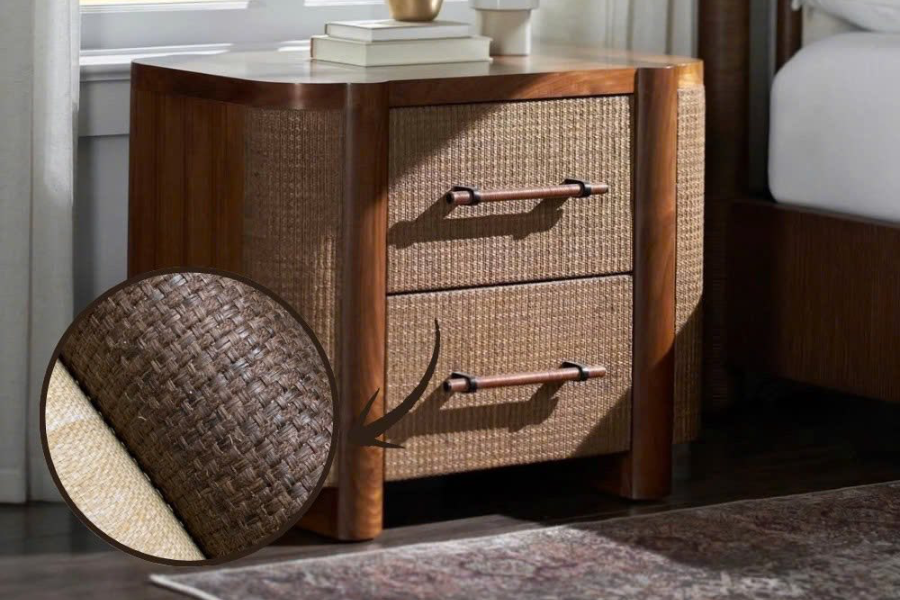
Pakistan occupies a distinctive position in the natural fiber materials market — it is not primarily an importer of finished interior products but a producer of export furniture that requires consistent natural woven material inputs to maintain the quality standards its international buyers demand. Rattan materials Pakistan’s furniture manufacturing clusters source are production inputs before they are design choices: the consistency of cane webbing weave density, the diameter uniformity of rattan core, and the surface quality of natural mat panels all directly affect the quality of finished export furniture.
At the same time, the country’s growing urban middle class and its expanding hospitality sector are creating a parallel domestic demand for natural fiber materials Pakistan’s interior designers and renovation contractors specify for residential and commercial projects.
Core Industries Driving Rattan Materials Demand in Pakistan
Furniture Manufacturing for Export
Export-oriented furniture manufacturing is the primary demand driver for rattan materials Pakistan’s production sector generates. Pakistan exports furniture — particularly solid wood pieces with woven natural material inserts — to buyers in the United States, United Kingdom, and Gulf markets. The furniture manufacturing clusters in Lahore, Gujrat, and Faisalabad produce cane-backed dining chairs, bedroom sets with woven panel details, decorative cabinet inserts, and ornate furniture pieces that incorporate cane webbing as both a structural and aesthetic material.
Export furniture materials Pakistan’s manufacturers require must meet the specification standards of international wholesale buyers — consistent weave, controlled moisture, and surface quality that holds through container transit. For manufacturers whose competitive advantage lies in combining skilled craftsmanship with cost efficiency, natural woven material quality is a critical production variable.
Handicraft & Artisan Production
Pakistan’s handicraft furniture materials sector — concentrated in Lahore’s artisan workshops, Karachi’s craft production networks, and smaller regional clusters — produces decorative furniture, accent pieces, and traditional-modern hybrid designs for both domestic and export markets. These workshops operate at smaller scale than Pakistan’s industrial furniture manufacturers, combining traditional wood carving and joinery skills with natural woven material applications that add texture, visual lightness, and craft character to finished pieces. Unlike Turkey’s industrial export scale or Germany’s precision manufacturing model, Pakistan’s artisan sector is defined by the skills of individual makers and small workshops producing distinctive pieces rather than standardised production runs.
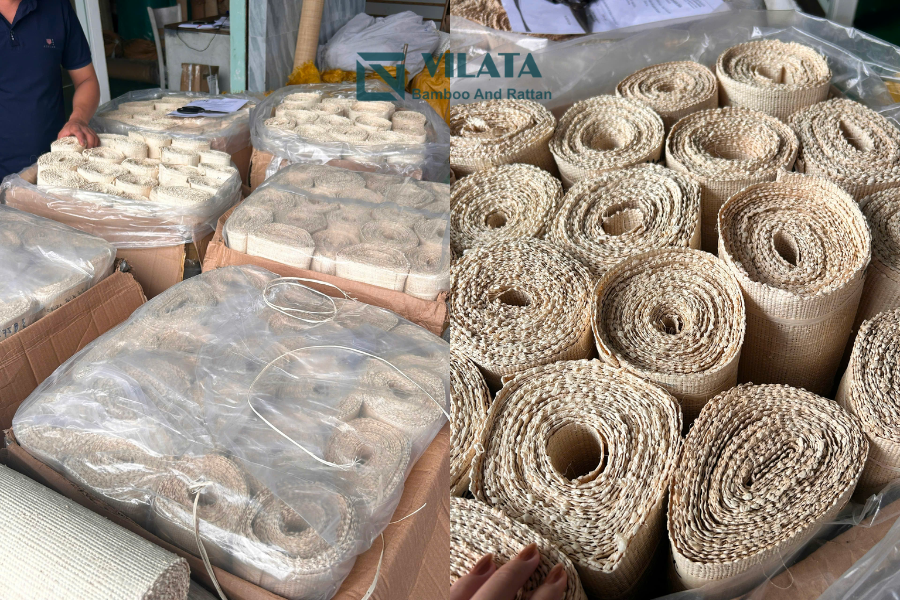
Growing Urban Residential Sector
Pakistan’s major urban centres — Karachi, Lahore, and Islamabad — are generating rising demand for cane webbing Pakistan market buyers in the residential renovation sector source for wardrobe panel inserts, living room decorative screens, and lightweight partition applications. The country’s expanding urban middle class is increasingly exposed to international interior design trends through social media and the influence of diaspora design preferences, creating demand for the lighter, more contemporary aesthetic that natural woven materials enable within interiors traditionally dominated by heavy dark wood furniture and ornate detailing.
Hospitality Sector
Pakistan’s boutique hotel, urban business hotel, and restaurant interior sectors — selective in scale relative to the Gulf or Southeast Asian hospitality markets — generate demand for natural fiber materials Pakistan’s hospitality designers specify to soften modern commercial interiors and introduce handcrafted material texture into spaces where the contrast between organic natural surface and contemporary architecture creates visual warmth. Grasscloth wallpaper and rattan mat panels are increasingly specified in boutique hotel room and restaurant interior applications in Karachi and Lahore’s growing hospitality development pipeline.
Natural Fiber Material Applications in Pakistani Furniture & Interiors
Rattan materials Pakistan’s manufacturing, craft, and interior sectors work with serve distinct production and design roles:
Cane Webbing
- Dining chair backs and seats — the dominant cane webbing Pakistan market application in export furniture production, incorporated into chair designs for US and UK wholesale buyers
- Cabinet door panels — used as decorative inserts in bedroom furniture and storage units produced by both industrial manufacturers and artisan workshops
- Decorative room screens and partitions — specified in residential and boutique hospitality interior projects for natural texture and visual lightness
Rattan Core
- Frame binding and structural reinforcement — used by furniture manufacturers and artisan workshops to wrap chair arms, legs, and frame joints as both structural finish and decorative detail
- Frame finishing on export furniture — applied in Gujrat and Lahore production facilities as a standard finishing element on traditional and contemporary export chair designs
Rattan Mats
- Wall accent installations — flat woven panels used in residential and hospitality interiors to introduce natural surface texture
- Ceiling insert panels — specified in boutique restaurant and hotel interiors where natural material warmth is a design objective
Grasscloth Wallpaper
- High-end residential walls — specified in premium Islamabad and Lahore residential projects as a natural material alternative to synthetic wall coverings
- Boutique hospitality feature walls — used in urban hotel and restaurant interiors where natural fibre texture supports a premium design positioning
Design Trends & Aesthetic Context for Natural Materials in Pakistan
Pakistan’s interior design and furniture aesthetic is shaped by a combination of deep traditional wood craftsmanship heritage, Middle Eastern design influence, and the growing impact of Western export market preferences on domestic production and design culture. Traditional Pakistani furniture — characterised by dark wood, ornate carving, and heavy structural forms — is the dominant reference point in domestic residential interiors, particularly in older urban and suburban housing stock. Natural woven materials play a specific role within this aesthetic context: they lighten visually heavy furniture, introduce textural contrast, and modernise traditional designs without abandoning the craftsmanship values that underpin Pakistani furniture production.
The shift toward lighter contemporary looks is accelerating in Pakistan’s urban residential market, driven by the preferences of a younger, internationally-connected demographic that follows global interior design trends and seeks cane webbing Pakistan market buyers and natural fiber materials Pakistan’s urban design market increasingly specify as alternatives to the laminate and synthetic surfaces that dominate mid-market furniture production. For export furniture manufacturers, the influence runs in the opposite direction — the design preferences of US and UK wholesale buyers directly shape product specifications, with natural woven materials incorporated to meet international market demand for natural texture and craft-referenced furniture aesthetic. Rattan furniture material Pakistan’s export manufacturers source is therefore as much a market requirement as a design choice.
Regional Demand Clusters Across Pakistan
Lahore — Furniture Manufacturing & Artisan Workshops
Lahore is Pakistan’s most significant furniture production and artisan craft centre, generating the highest concentration of demand for furniture manufacturing materials Pakistan’s production sector and handicraft furniture materials Pakistan’s artisan community sources. The city’s furniture manufacturing industry — a consistent source of demand for furniture manufacturing materials Pakistan’s production sector sources — supplies both domestic retail and international export markets, and its artisan workshop community produces handicraft furniture materials at a scale and craft standard that supports export to specialty retail buyers in Western markets.
Gujrat — Major Furniture Production Hub
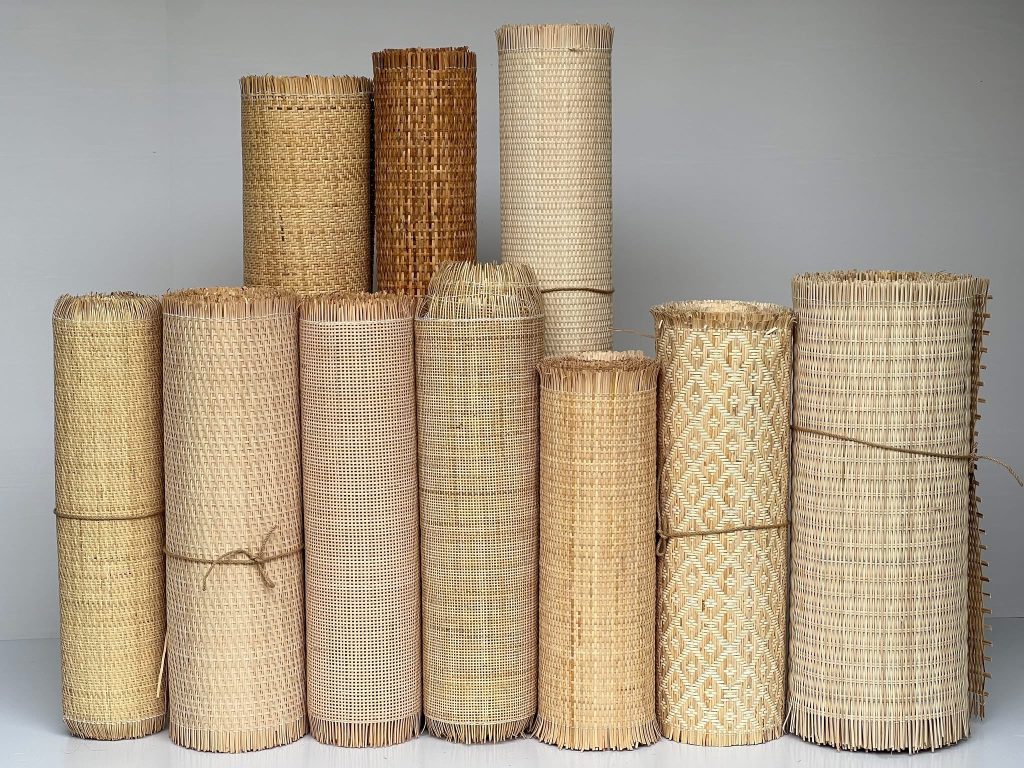
Gujrat is Pakistan’s most concentrated industrial furniture production zone, with clusters of factories producing export-quality furniture for US, UK, and Gulf markets. The city’s manufacturers represent the highest-volume professional demand for rattan materials Pakistan’s export production sector generates, sourcing cane webbing and rattan core in production quantities that directly feed international furniture supply chains.
Karachi — Commercial Growth & Import Hub
Karachi’s status as Pakistan’s primary commercial and port city makes it the natural entry point for imported natural fiber materials and the centre of the country’s growing commercial hospitality and residential interior renovation market. Demand from Karachi’s expanding restaurant and boutique hotel sector, alongside urban apartment renovation activity, is driving growing specification-level interest in natural woven interior materials.
Islamabad — Higher-End Residential Demand
Islamabad’s concentration of upper-income residential development and diplomatic and professional community households generates demand for rattan furniture material Pakistan’s capital city residential market sources at a higher specification level than other urban centres — including grasscloth wallpaper and premium cane webbing for bespoke residential interior commissions.
Import & Supply Landscape for Natural Fiber Materials in Pakistan
Pakistan has limited domestic rattan production — the country’s furniture and craft sector relies on imported cane webbing, rattan core, and natural mat materials to supply both export manufacturing and domestic interior demand. The cost-sensitive nature of Pakistan’s furniture manufacturing sector means that natural fiber materials Pakistan’s producers source are evaluated on a combination of price, consistency, and supply reliability — with consistent batch quality and stable delivery schedules carrying significant weight in supplier selection.
Export furniture manufacturers require their natural woven material inputs to meet the specification standards of international buyers, which means that the cheapest available material is not automatically the preferred option — quality consistency at a competitive price point is the target. Import logistics through Karachi port are well-developed, and Pakistan’s familiarity with international trade documentation means that phytosanitary certification and certificate of origin requirements for natural plant-based materials are standard compliance expectations.
Sustainability & Natural Material Considerations in Pakistan
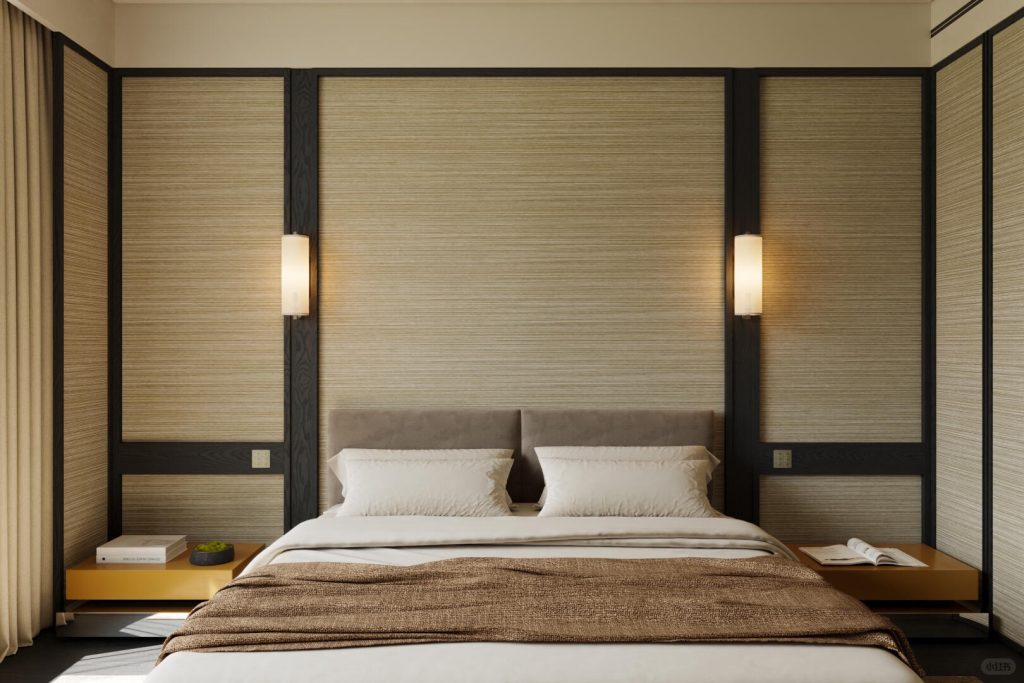
Sustainability awareness in Pakistan’s furniture and interior sector is growing but is primarily driven by the requirements of international export markets rather than domestic consumer demand or regulatory frameworks — a pattern distinct from Germany’s compliance-driven industrial sustainability or Canada’s consumer eco-culture. Pakistan’s export furniture manufacturers increasingly align their material sourcing with the sustainability standards required by EU and US wholesale buyers, for whom renewable and natural material credentials are becoming standard procurement criteria.
Natural fiber materials Pakistan’s export manufacturers source — rattan, cane, and natural woven panels — meet renewable material criteria naturally: they are plant-based, biodegradable, and produced without the synthetic chemical content that international sustainability frameworks increasingly penalise. The practical advantages of natural woven materials in Pakistan’s hot climate — breathability, lightweight structure, and thermal appropriateness — reinforce their adoption in both export and domestic contexts.
Why Consistent International Supply Matters for Pakistan’s Manufacturing Sector
For Pakistan’s export furniture manufacturers, artisan production workshops, and urban interior designers, the consistency of natural woven material inputs has direct commercial consequences. Export furniture materials Pakistan’s manufacturers supply to international buyers must incorporate consistent cane webbing weave and rattan core quality across production batches — a single quality deviation can generate buyer complaints, return claims, and reputational damage in competitive international markets where quality-consistent alternatives are available. Handicraft furniture materials Pakistan’s artisan workshops produce for export specialty buyers are evaluated at the piece level, where surface quality and material consistency are visible and auditable by buyers who commission specific designs.
For Pakistani buyers exploring consistent natural fiber material supply:
- Wholesale Rattan Cane Webbing — furniture-grade cane webbing for export chair production and residential interior applications
- Wholesale Rattan Core — diameter-sorted binding material for furniture frame finishing and artisan craft production
- Wholesale Rattan Mats — flat woven panels for wall, ceiling, and decorative interior applications
Supporting Pakistan’s Furniture & Manufacturing Sector
Pakistan’s demand for rattan materials Pakistan’s manufacturing and interior sectors source — anchored in a cost-competitive export furniture manufacturing sector, a living artisan craft tradition, and a rapidly modernising urban residential market — represents a sourcing environment where material quality, supply consistency, and competitive pricing all carry significant weight. Natural fiber materials Pakistan’s manufacturers and designers work with must perform to the standards of international export buyers while remaining cost-appropriate for a production sector where margin management is a constant operational priority. International supply partnerships that deliver on both dimensions reliably are the foundation of productive long-term sourcing relationships in Pakistan’s furniture and interior market.