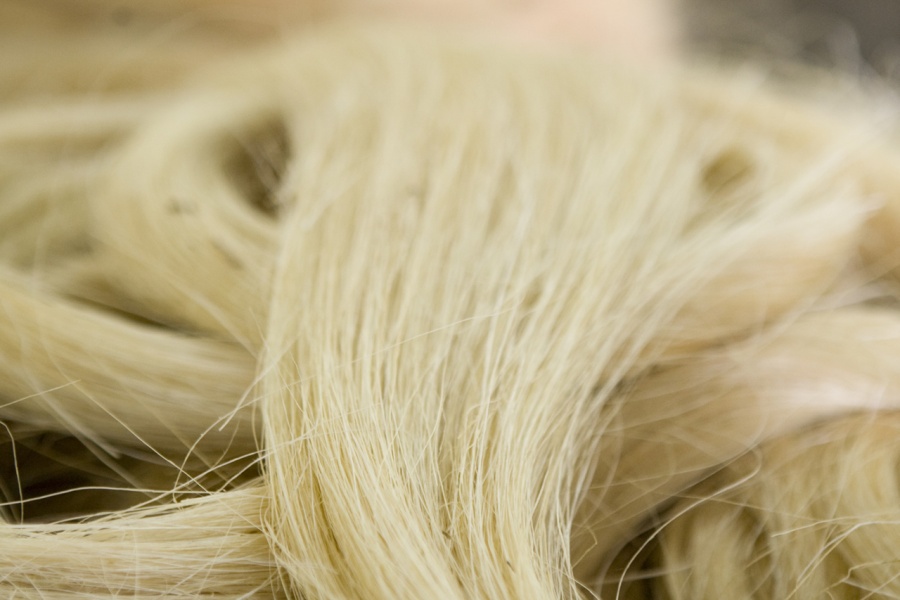
The term “Uses and Applications of Sisal” encompasses the diverse and expansive ways in which this natural fiber has become an integral part of our daily lives. Sisal, derived from the Agave sisalana plant, has long been celebrated for its remarkable strength, durability, and versatility, making it a sought-after material in a wide range of industries and applications.
1. Introduction
Sisal is a natural fiber that has been harvested and utilized for centuries, primarily in the production of ropes, twines, and other cordage products. However, the versatility of sisal extends far beyond its traditional uses, with innovations and advancements in technology allowing for its integration into a multitude of industries and applications. From home décor and furniture to industrial applications and agriculture, sisal has proven to be a remarkable and adaptable material that continues to captivate both consumers and manufacturers alike.
2. Sisal in Home Décor
Sisal’s natural aesthetic and robust qualities have made it a popular choice for various home décor applications. Its earthy tones and distinctive texture seamlessly blend with a range of interior design styles, allowing homeowners and designers to incorporate this versatile fiber into their spaces in a variety of ways.
Sisal Wallpaper
Sisal wallpaper has become a popular trend in recent years, with its unique texture and natural appearance adding depth and warmth to walls. Sisal wallpaper can be used in a variety of settings, from traditional to contemporary, and can be found in a range of colors and patterns to suit any décor style. The natural fibers of sisal wallpaper not only provide a visually striking effect but also offer excellent soundproofing and insulation properties, making it a practical and aesthetically pleasing choice for homeowners.
Sisal wallpaper is not only visually appealing but also highly durable and easy to maintain. The natural fibers are resistant to fading, stains, and wear, making it a long-lasting option for high-traffic areas. Additionally, sisal wallpaper can be easily cleaned with a damp cloth, ensuring it retains its pristine appearance over time.

Sisal Rugs and Carpets
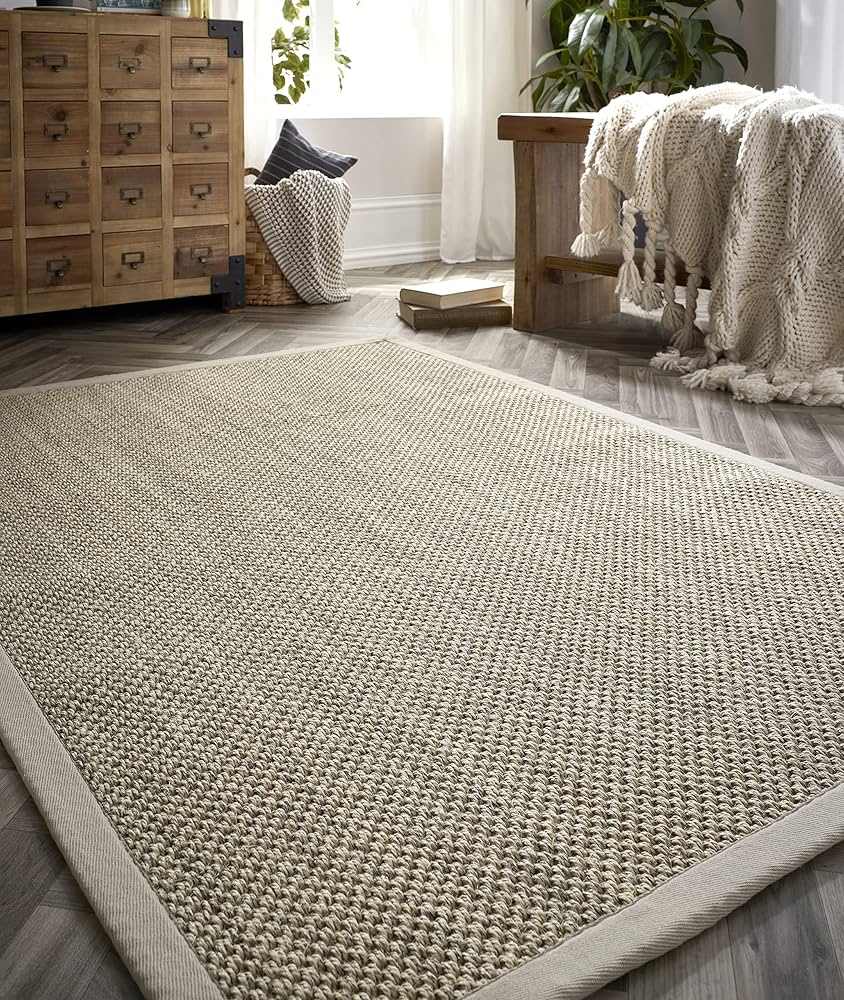
Sisal rugs and carpets have become a staple in many homes, thanks to their natural beauty, durability, and versatility. The robust and coarse texture of sisal fibers make them highly resistant to wear and tear, making them an excellent choice for high-traffic areas and households with pets or children. Sisal rugs and carpets are available in a variety of sizes, shapes, and patterns, allowing homeowners to tailor their flooring to their specific needs and design preferences.
One of the key benefits of sisal rugs and carpets is their ability to withstand heavy foot traffic without showing significant signs of wear. The natural fibers are highly resistant to crushing and matting, ensuring that the rug or carpet retains its plush and inviting appearance for years to come. Additionally, sisal is known for its excellent insulating properties, helping to regulate the temperature in a room and providing a comfortable and cozy underfoot experience.
Sisal Mats and Door Mats
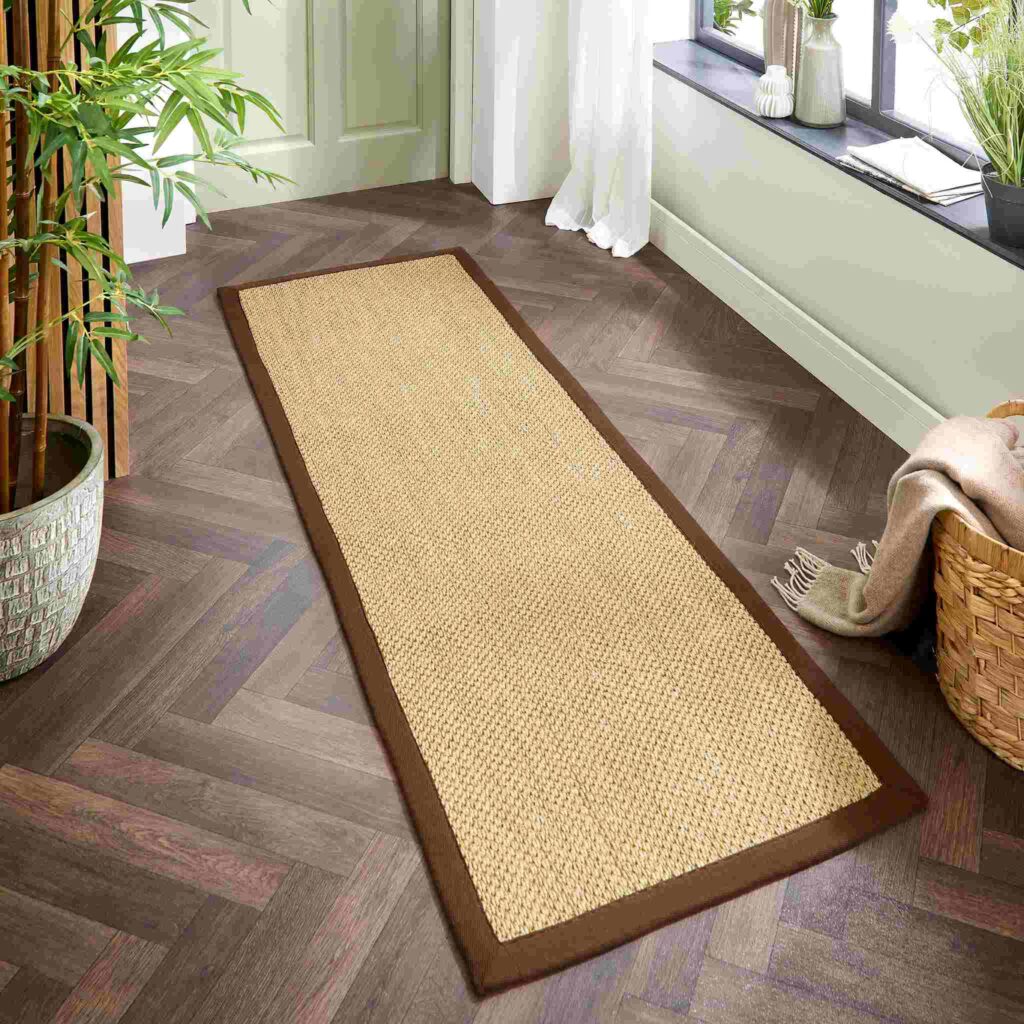
Sisal mats and door mats have become increasingly popular in recent years, thanks to their practical and aesthetic appeal. These natural fiber mats are not only highly durable and resistant to wear, but they also offer a unique and visually appealing addition to any entryway or outdoor space.
Sisal mats are renowned for their ability to effectively trap dirt, debris, and moisture, making them an essential component in maintaining a clean and well-kept home. Their coarse texture helps to scrape dirt from shoes, ensuring that it is not tracked into the house. Additionally, sisal mats are easy to clean, simply requiring a quick sweep or vacuum to maintain their pristine appearance.
Beyond their practical benefits, sisal mats and door mats also contribute to the overall aesthetic of a space. Their natural texture and earthy tones complement a wide range of design styles, from rustic and farmhouse to contemporary and minimalist. The versatility of sisal mats allows homeowners to easily incorporate them into their décor, creating a welcoming and visually striking entryway.
3. Sisal in Furniture and Textiles
Sisal’s exceptional strength, durability, and natural appeal have made it a popular choice in the furniture and textile industries. From upholstery to woven fabrics, sisal has become an integral component in the creation of a wide range of products that seamlessly blend form and function.
Sisal Upholstery
Sisal has become a prominent material in the upholstery industry, with its robust and resilient qualities making it an ideal choice for use in furniture. Sisal upholstery offers a unique and visually striking aesthetic, with its natural texture and earthy tones complementing a range of design styles.
One of the key benefits of sisal upholstery is its exceptional durability and resistance to wear and tear. The natural fibers of sisal are highly resistant to fading, staining, and abrasion, ensuring that the furniture retains its pristine appearance over time. This makes sisal an excellent choice for high-traffic areas, such as living rooms and family rooms, where the upholstery is subject to constant use and exposure.
In addition to its practical benefits, sisal upholstery also offers a range of aesthetic advantages. The natural texture and neutral tones of sisal can be easily incorporated into a variety of design styles, from rustic and traditional to modern and minimalist. Sisal upholstery can also be customized with various patterns, colors, and finishes to suit the specific needs and preferences of the homeowner or designer.
Sisal Textiles
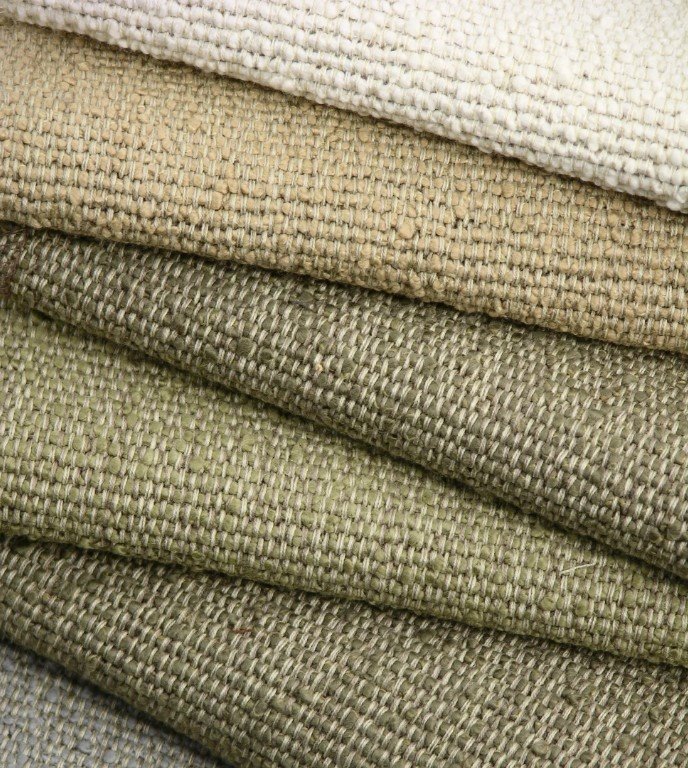
Sisal’s versatility extends beyond upholstery, as it has also become a popular material in the textile industry. Sisal fibers can be woven and processed into a wide range of textile products, including clothing, accessories, and home furnishings.
One of the primary applications of sisal textiles is in the production of natural, sustainable fabrics. Sisal’s inherent strength and durability make it an excellent choice for use in clothing, accessories, and even home textiles, such as curtains and throw blankets. The natural, earthy tones of sisal also complement a range of design styles, allowing it to be seamlessly incorporated into a variety of interior and fashion applications.
In addition to its aesthetic appeal, sisal textiles also offer practical benefits. The natural fibers are highly breathable and moisture-wicking, making them a comfortable and versatile choice for clothing and home textiles. Sisal textiles are also resistant to fading, staining, and pilling, ensuring they maintain their pristine appearance over time.
4. Sisal in Industrial Applications
While sisal’s applications in home décor and textiles have gained significant attention, the versatile fiber also plays a crucial role in various industrial applications. From the construction industry to automotive manufacturing, sisal’s unique properties make it an invaluable material in a range of industries.
Sisal in Construction and Building Materials
Sisal fibers have long been used in the construction industry, primarily in the production of ropes, twines, and other cordage products. However, the applications of sisal in construction have expanded significantly in recent years, with the fiber being incorporated into a variety of building materials and construction processes.
One of the primary industrial applications of sisal in construction is as a reinforcement material for concrete and other composite materials. Sisal fibers can be added to concrete mixes, providing additional strength and durability to the final product. This makes sisal-reinforced concrete an excellent choice for use in a range of construction projects, from residential foundations to commercial high-rise buildings.
In addition to its use in concrete, sisal fibers are also being incorporated into other building materials, such as insulation panels and roofing materials. The natural, sustainable properties of sisal make it an attractive alternative to traditional synthetic materials, providing both functional and environmental benefits to the construction industry.
Sisal in Automotive Manufacturing
Sisal has also found its way into the automotive industry, with the fiber being used in the production of a variety of automotive components and accessories. One of the primary applications of sisal in automotive manufacturing is in the creation of interior trim and upholstery materials.
Sisal’s natural texture and durability make it an ideal choice for use in vehicle interiors, where it can be used to create a range of components, from door panels to seat covers. The natural fibers of sisal are highly resistant to wear and tear, ensuring that the interior components maintain their appearance and functionality over the life of the vehicle.
In addition to its use in interior trim, sisal is also being explored for use in the production of automotive components, such as door and trunk liners, as well as sound-damping materials. The natural, sustainable properties of sisal make it an attractive alternative to traditional synthetic materials, offering both practical and environmental benefits to the automotive industry.
5. Sisal in Agriculture
While sisal’s versatility has led to its widespread adoption in a range of industrial and consumer applications, the fiber’s origins lie firmly rooted in the agricultural sector. Sisal has long been cultivated as a valuable crop, with its fibers being harvested and processed for a variety of uses.

Sisal Cultivation and Harvesting
Sisal is a hardy, drought-resistant plant that thrives in arid and semi-arid regions, making it an attractive crop for farmers in many parts of the world. The plant’s long, thick leaves are the source of the valuable sisal fibers, which are harvested through a process of cutting, decortication, and drying.
The cultivation and harvesting of sisal fibers have provided a valuable source of income and employment for countless rural communities, particularly in developing countries. The process of cultivating and processing sisal is labor-intensive, but it has also provided a sustainable livelihood for many farmers and workers who rely on the crop for their economic well-being.
Sisal Byproducts and Co-Products
While the sisal fibers are the primary focus of the agricultural industry, the plant also produces a range of valuable byproducts and co-products that contribute to the overall sustainability and economic viability of sisal cultivation.
One such byproduct is the sisal waste, which is the organic material that remains after the fibers have been extracted from the leaves. This waste can be composted and used as a natural fertilizer, providing a valuable nutrient source for the soil and contributing to the overall sustainability of the sisal cultivation process.
In addition to the sisal waste, the plant also produces a range of co-products, such as the leaf pulp, which can be used in the production of paper and other cellulose-based products. The sisal plant’s versatility and adaptability have made it an invaluable resource for farmers and rural communities, providing a range of economic and environmental benefits.
6. Sisal in Pet Products
Sisal’s versatility extends beyond its use in home décor, furniture, and industrial applications, as it has also found a niche in the pet product market. The natural, durable properties of sisal make it an ideal material for a range of pet-related products, from scratching posts to pet beds.
Sisal Scratching Posts and Pads
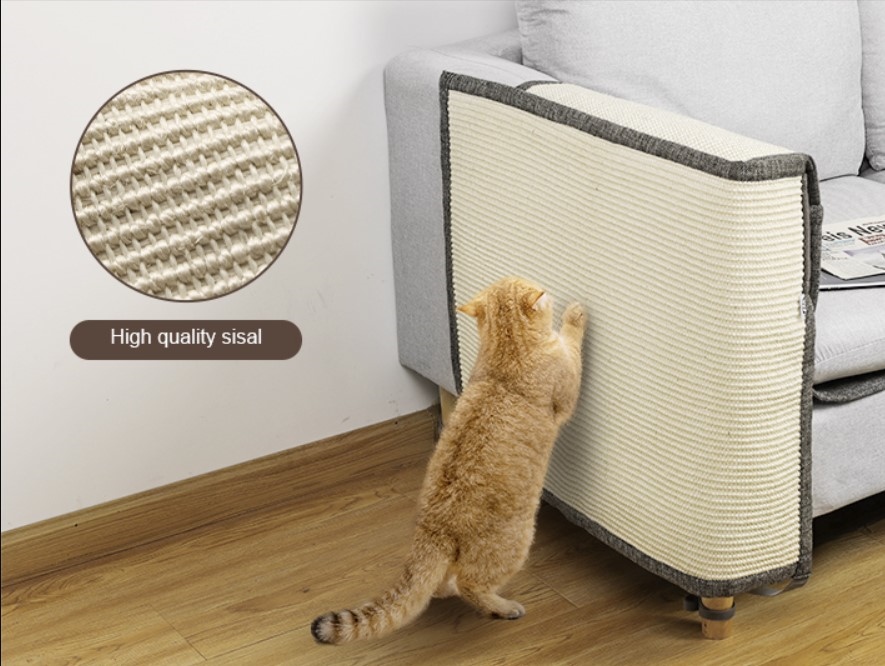
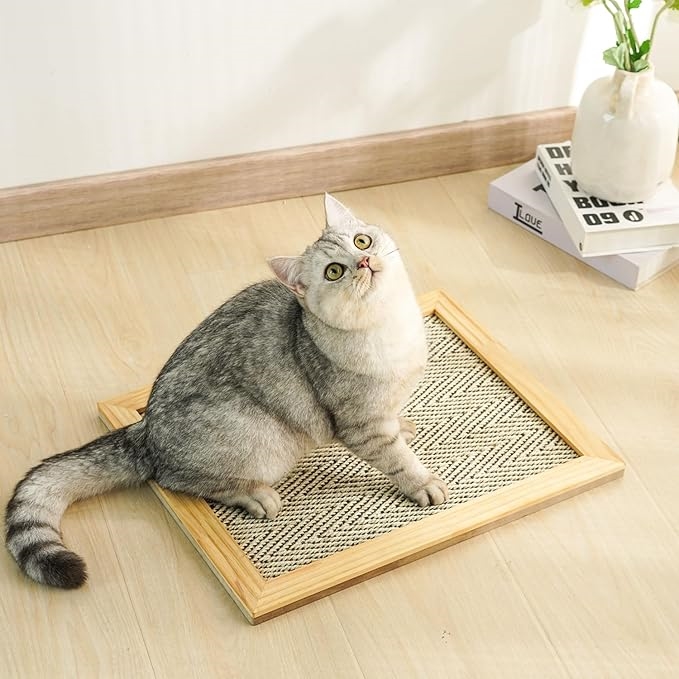
One of the primary applications of sisal in the pet industry is in the production of scratching posts and pads. Cats and other feline pets have a natural instinct to scratch, and sisal provides an excellent and durable material for them to satisfy this behavior. Sisal scratching posts and pads are highly resistant to wear and tear, ensuring that they maintain their effectiveness and aesthetic appeal over time.
Beyond their practical benefits, sisal scratching posts and pads also offer a range of aesthetic advantages. The natural texture and earthy tones of sisal complement a variety of pet-friendly home décor styles, allowing pet owners to seamlessly incorporate these products into their living spaces.
Sisal Pet Beds and Accessories
Sisal’s versatility extends beyond scratching posts, as it has also become a popular material in the production of pet beds and accessories. The natural, breathable properties of sisal make it an excellent choice for use in pet beds, providing a comfortable and supportive surface for pets to rest and relax.
Sisal pet beds and accessories also offer a range of practical benefits, such as resistance to stains and odors. The natural fibers of sisal are highly durable and easy to clean, ensuring that pet owners can maintain a clean and well-kept living environment for their furry companions.
7. Environmental Benefits of Sisal Applications
In addition to its diverse range of practical applications, sisal has also gained recognition for its environmental benefits. As a natural, renewable, and biodegradable fiber, sisal offers a range of advantages over synthetic and non-renewable materials, making it an increasingly attractive choice for both consumers and manufacturers.
Sustainability and Biodegradability
One of the primary environmental benefits of sisal is its sustainability and biodegradability. As a plant-based fiber, sisal is a renewable resource that can be cultivated and harvested in a sustainable manner, without depleting natural resources or contributing to environmental degradation.
Furthermore, sisal is fully biodegradable, meaning that at the end of its useful life, the fiber can be safely disposed of or composted, breaking down into natural, organic materials that can be reintegrated into the soil. This stands in stark contrast to synthetic materials, which often end up in landfills or oceans, where they can take hundreds of years to decompose, if at all.
Reduced Carbon Footprint
In addition to its sustainability and biodegradability, the production and use of sisal also offer a reduced carbon footprint compared to synthetic materials. The cultivation and processing of sisal require significantly less energy and fossil fuel consumption than the production of synthetic fibers, resulting in a lower overall environmental impact.
Moreover, the versatility of sisal allows it to be used in a wide range of applications, reducing the need for alternative materials that may have a higher carbon footprint. This makes sisal an attractive choice for environmentally conscious consumers and manufacturers who are seeking to reduce their environmental impact and promote more sustainable practices.
Circular Economy and Waste Reduction
The environmental benefits of sisal also extend to its potential to contribute to a circular economy, where waste is minimized, and resources are reused and recycled. As mentioned earlier, the byproducts and co-products of sisal cultivation, such as the leaf waste and pulp, can be repurposed and incorporated into various products, reducing overall waste and promoting a more sustainable and circular system.
This aligns with the growing global focus on circular economy principles, which aim to design out waste, keep materials and products in use, and regenerate natural systems. By embracing the versatility and sustainability of sisal, manufacturers and consumers can participate in this shift towards a more sustainable and circular economic model.
Conclusion
The versatility and applications of sisal, a natural fiber derived from the Agave sisalana plant, are truly remarkable. From its traditional use in the production of ropes and twines to its integration into a diverse range of industries and applications, sisal has proven itself to be an adaptable and invaluable material.
In the realm of home décor, sisal has found a prominent place, with its natural aesthetic and robust qualities being utilized in the production of wallpapers, rugs, carpets, mats, and door mats. The fiber’s distinctive texture and earthy tones seamlessly blend with a range of interior design styles, allowing homeowners and designers to incorporate this versatile material into their spaces in unique and visually striking ways.
Beyond the realm of home décor, sisal has also made significant inroads into the furniture and textile industries, where its exceptional strength, durability, and natural appeal have made it an integral component in the creation of a wide range of products. From sisal upholstery to sisal-based textiles, this natural fiber continues to captivate both manufacturers and consumers.
The industrial applications of sisal are equally impressive, with the fiber being utilized in the construction and automotive industries, as well as a range of other industrial applications. Sisal’s versatility and adaptability have allowed it to be incorporated into a variety of building materials, automotive components, and other industrial products, showcasing its value and versatility.
Sisal’s impact extends beyond its practical applications, as it also offers significant environmental benefits. As a natural, renewable, and biodegradable fiber, sisal presents a more sustainable and eco-friendly alternative to synthetic materials, contributing to the growing global focus on circular economy principles and reduced environmental impact.
In conclusion, the uses and applications of sisal are truly diverse and far-reaching, making it a remarkable and invaluable natural fiber that continues to shape and transform a wide range of industries and applications. From home décor to industrial applications, sisal’s versatility and adaptability have solidified its place as a premier material in the modern world.