When considering materials for interior design, understanding the difference between jute and sisal can significantly influence your choices. Both are natural fibers with unique characteristics that cater to various aesthetic preferences and practical applications. In this article, we will explore the distinctions among these materials and others, such as seagrass, wool, synthetic options, and bamboo.
1. Introduction
As the world gravitates towards sustainable living, natural fibers like sisal, jute, seagrass, and bamboo have found their place in modern interior design. These materials not only add texture and warmth to spaces but also contribute to an eco-friendly environment. However, choosing the right material requires a comprehensive understanding of their properties, durability, and suitability for different settings.
In this article, we will dive deep into each material, comparing sisal with other popular options while offering insights into their individual benefits and drawbacks. By exploring these differences, you will gain a clearer perspective on how to make informed decisions for your interior spaces.

2. What is Sisal?
Sisal is a natural fiber derived from the leaves of the Agave sisalana plant, predominantly cultivated in regions such as Brazil, Africa, and Mexico. Known for its robust strength and versatility, sisal has been utilized for centuries in various applications ranging from rope-making to textiles.
The production process of sisal involves harvesting the long, spiky leaves of the agave plant, which are then mechanically processed to extract the fibers. This labor-intensive method results in a durable product that can withstand significant wear and tear, making it an excellent choice for various interior design applications.
Sisal’s coarse texture offers a unique aesthetic appeal, lending itself well to rugs, carpets, wall hangings, and upholstery. Unlike many synthetic fibers, sisal does not contribute to indoor air pollution, making it a healthier choice for home environments.
Characteristics of Sisal
Sisal possesses several defining characteristics that contribute to its popularity in interior design:
- Durability: Sisal is one of the strongest natural fibers available, capable of withstanding high foot traffic, especially when used in floor coverings.
- Eco-Friendliness: Being a renewable resource, sisal is considered environmentally friendly. Its cultivation requires minimal water and no pesticides, aligning with sustainable practices.
- Versatility: The unique texture and appearance of sisal allow it to be used in various design contexts, from rustic to contemporary.
Applications of Sisal in Interior Design
Sisal has gained momentum in numerous applications within interior design:
- Rugs and Carpets: Sisal rugs are highly favored for their durability and natural aesthetic, making them suitable for both residential and commercial spaces.
- Upholstery: Sisal fabric can be used for upholstery, providing a naturally textured look that complements wooden or metal furniture.
- Wall Coverings: Sisal can also be woven into wall coverings, adding depth and character to space while helping to regulate humidity levels.
3. Sisal vs. Jute
Understanding the difference between jute and sisal is crucial for anyone looking to use natural fibers in their interior design projects. While both materials share similarities such as being biodegradable and derived from plants, they possess distinct qualities that set them apart.
Physical Characteristics
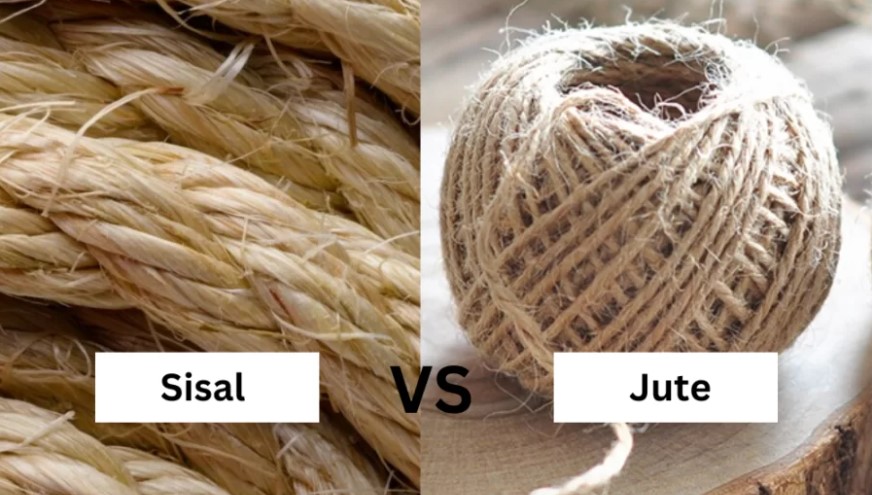
Jute, known as the “golden fiber,” is derived from the Corchorus plant and is characterized by its soft, silky texture. It has a lighter weight compared to sisal, which contributes to its flexible nature. In contrast, sisal fibers are coarse, heavy, and rigid, providing a more robust structure.
The visual appeal of both fibers varies significantly. Jute tends to have a finer weave and a more refined appearance, often found in light tan shades, making it ideal for elegant décor. Sisal, on the other hand, carries a rugged charm, best suited for casual or rustic interiors.
Durability and Maintenance
When it comes to durability, sisal holds the upper hand due to its higher tensile strength. It is less prone to fraying and wear, making it ideal for high-traffic areas. Jute, while still durable, may require more maintenance over time as it is susceptible to stains and moisture damage.
In terms of cleaning, sisal can be vacuumed easily and is generally more resistant to dirt accumulation. Jute, being softer, may need occasional spot cleaning and careful handling to maintain its appearance.
Cost Considerations
From a cost perspective, jute typically comes at a lower price point than sisal. This makes jute an attractive option for those working with a tighter budget. However, considering the longevity and durability of sisal, it can be seen as a worthwhile investment in the long run.
4. Sisal vs. Seagrass
Seagrass is another natural fiber commonly used in interior design, particularly for flooring and rugs. Understanding how sisal compares to seagrass can help in selecting the best material for your specific needs.
Source and Characteristics
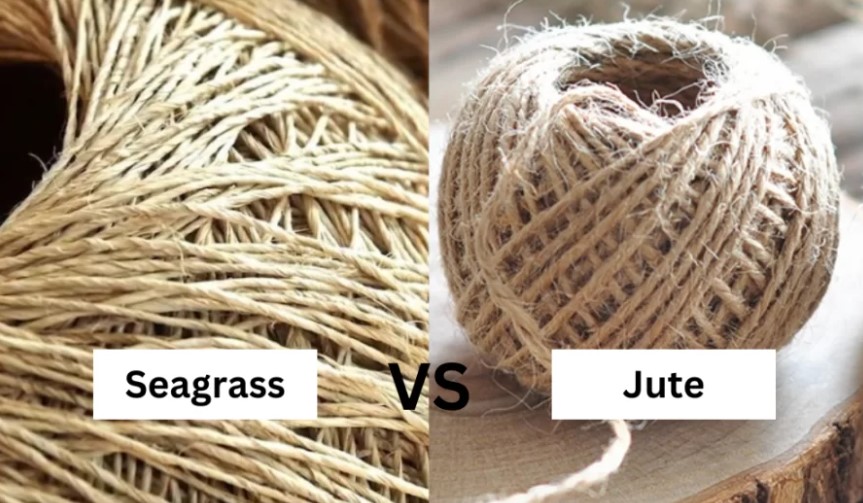
Seagrass is derived from various species of marine grass, primarily harvested from shallow ocean waters. Unlike sisal, which grows on land, seagrass is an underwater plant that offers a distinctively smooth and shiny finish.
While sisal fibers are coarse and textured, seagrass fibers tend to be smoother, making them softer underfoot. This quality is often preferred for areas where comfort is a priority, such as bedrooms or living rooms.
Environmental Impact
Both sisal and seagrass are considered eco-friendly options, but their environmental impact differs slightly. Seagrass is harvested sustainably from marine environments, which helps maintain aquatic ecosystems. On the other hand, sisal is grown in arid regions and requires less water and resources to cultivate.
Suitability for Different Spaces
When evaluating the suitability of sisal versus seagrass, consider the intended area of use. Sisal is ideal for high-traffic zones due to its durability, while seagrass’s softer texture makes it perfect for cozy living spaces. If you’re looking for a material that combines aesthetics with functionality, both options have their merits depending on the context.
5. Sisal vs. Wool
Wool is a timeless material known for its luxurious softness and warmth. Comparing sisal and wool reveals fascinating contrasts in texture, aesthetic appeal, and performance.
Texture and Aesthetic Appeal
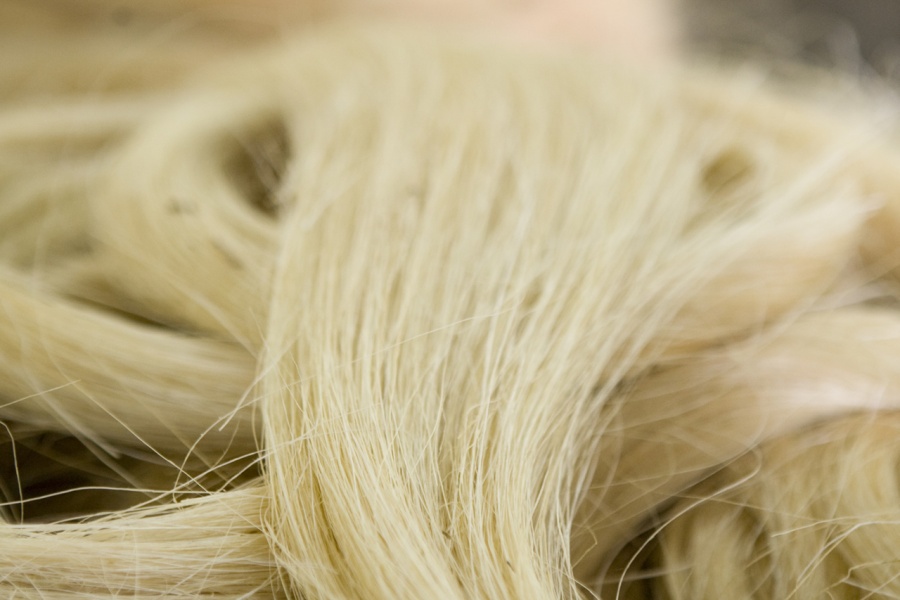
Wool boasts a plush feel, often associated with comfort and luxury. Its fibers are naturally crimped, creating air pockets that provide insulation and warmth, making wool an excellent choice for colder climates. Sisal, in contrast, has a rougher texture that adds a natural and earthy feel to any space.
Aesthetically, wool can come in various colors and patterns due to its dyeing capabilities, allowing for more creative expression. Sisal, however, tends to be more limited in color options, focusing instead on its natural beige and earthy tones.
Performance and Durability
When it comes to durability, sisal prevails in high-traffic areas due to its strong fibers. Wool is also durable but can be susceptible to wear and tear in heavily trafficked zones. Furthermore, wool absorbs moisture, making it prone to mold and mildew if not maintained correctly.
In terms of maintenance, sisal typically requires less care compared to wool, which may need regular cleaning and professional treatment to preserve its condition.
Cost Factors
Wool is generally more expensive than sisal, primarily due to its sourcing and manufacturing processes. Choosing between the two materials often depends on the desired aesthetic and functional requirements of the space.
6. Sisal vs. Synthetic Materials (Nylon, Polyester, Vinyl)
The rise of synthetic materials has transformed the landscape of interior design, prompting comparisons between natural fibers like sisal and man-made alternatives such as nylon, polyester, and vinyl.

Synthetic Material Characteristics
Synthetic materials possess unique properties that differentiate them from natural fibers. For example, nylon and polyester are known for their exceptional resilience and stain resistance. They offer vibrant colors and designs that can mimic natural materials, which appeals to many consumers.
However, these materials lack the organic feel and texture that natural fibers, including sisal, provide. The tactile experience of walking on a sisal rug or touching a sisal wall hanging cannot be replicated by synthetic counterparts.
Environmental Considerations
Environmental concerns surrounding synthetic materials cannot be overlooked. Most synthetic fibers are derived from petroleum and are non-biodegradable, contributing to landfill waste and environmental degradation. Conversely, sisal is a renewable resource that decomposes naturally, posing less harm to the environment.
Performance and Application
In high-traffic areas, synthetic fibers may outperform natural fibers like sisal in terms of stain resistance and ease of cleaning. However, they often lack the warmth and charm associated with sisal. The decision between sisal and synthetic options should be influenced by the specific characteristics required for the intended space and the overall design vision.
7. Sisal vs. Bamboo
Bamboo has emerged as a trendy material in recent years, thanks to its sustainability and unique aesthetic. In comparing sisal with bamboo, we unveil the strengths and weaknesses of both fibers.
Properties of Bamboo
Bamboo is a grass, not a wood, and possesses remarkable flexibility and strength. Its sleek appearance and variety of finishes make it a stylish option for flooring and furniture. Bamboo is also lightweight and easy to work with, which can facilitate various design applications.
Sustainability Factor
Regarding sustainability, bamboo has gained recognition as one of the fastest-growing plants on Earth, making it an eco-friendly option. Its cultivation requires minimal resources, and it doesn’t need fertilizers or pesticides, much like sisal.
Aesthetic Comparison
When assessing aesthetics, bamboo offers a polished, modern look that suits contemporary interiors. Sisal, meanwhile, provides a rustic and organic vibe that appeals to those seeking a more natural feel. Ultimately, the choice between sisal and bamboo often comes down to personal style and the atmosphere you wish to create.
8. Pros and Cons Summary Table
| Material | Pros | Cons |
|---|---|---|
| Sisal | Durable, eco-friendly, versatile | Coarse texture, moisture sensitivity |
| Jute | Soft, affordable, biodegradable | Less durable, prone to staining |
| Seagrass | Smooth texture, comfortable | Limited color options, may not be as sturdy |
| Wool | Luxurious feel, warm | More expensive, requires maintenance |
| Nylon | Stain-resistant, vibrant colors | Non-biodegradable, lacks natural charm |
| Polyester | Durable, easy to clean | Not eco-friendly, less breathable |
| Bamboo | Sustainable, stylish | May warp in humid conditions |
9. Conclusion
Choosing the right material for your interior design project involves weighing the pros and cons of various options, including sisal, jute, seagrass, wool, synthetic materials, and bamboo. Each material possesses unique characteristics that cater to different styles and functional requirements.
The difference between jute and sisal, for instance, highlights the contrast between softness and durability, while the comparison of sisal versus synthetic materials underscores the importance of environmental considerations. Ultimately, your selection should align with your aesthetic preferences, usage demands, and commitment to sustainability.
Embracing natural fibers such as sisal not only enhances the beauty of your interior spaces but also contributes to a more eco-conscious lifestyle. By understanding the nuances of each material, you empower yourself to make informed design choices that resonate with both style and substance.