Sisal wallpaper is a captivating choice for those seeking to infuse their living spaces with a touch of natural elegance and environmental consciousness. This sustainable wall covering, derived from the fibers of the Agave Sisalana plant, offers a unique blend of aesthetics and functionality that seamlessly enhances a wide range of interior design styles.
The Origin of Sisal Wallpaper
Sisal, a natural fiber, is primarily cultivated in regions with tropical climates, such as Mexico, Brazil, and Tanzania. The process of harvesting and processing these fibers is a meticulous one, involving careful hand-picking and thorough washing and drying.

The Agave Sisalana Plant
The Agave Sisalana plant, the source of sisal fibers, is a hardy and resilient species that thrives in tropical and subtropical regions. With its distinctive sword-shaped leaves and striking blue-green hues, the Agave Sisalana has captivated the attention of botanists, designers, and homeowners alike.
These plants are meticulously cultivated, with the leaves being hand-harvested to extract the long, strong fibers that form the foundation of sisal wallpaper. The processing of these fibers involves a series of intricate steps, ensuring that the final product retains its natural integrity and durability.
The History of Sisal in Wallpaper
The use of sisal in wallpaper is a relatively recent development, but it has quickly gained popularity among those seeking a sustainable and visually appealing alternative to traditional wall coverings. While sisal has long been used in various applications, from ropes and textiles to rugs and furniture, its integration into the world of wallpaper has opened up a new realm of design possibilities.
The natural, organic aesthetic of sisal wallpaper has resonated with homeowners and designers alike, who have recognized its ability to seamlessly blend into a wide range of interior styles, from rustic and farmhouse-inspired to contemporary and minimalist.
The Harvesting and Processing of Sisal Fibers
The journey of sisal fibers from the Agave Sisalana plant to the final wallpaper product is a fascinating one. After the leaves are harvested, they undergo a meticulous process of washing and drying, ensuring that the fibers are clean and ready for the next stage of production.
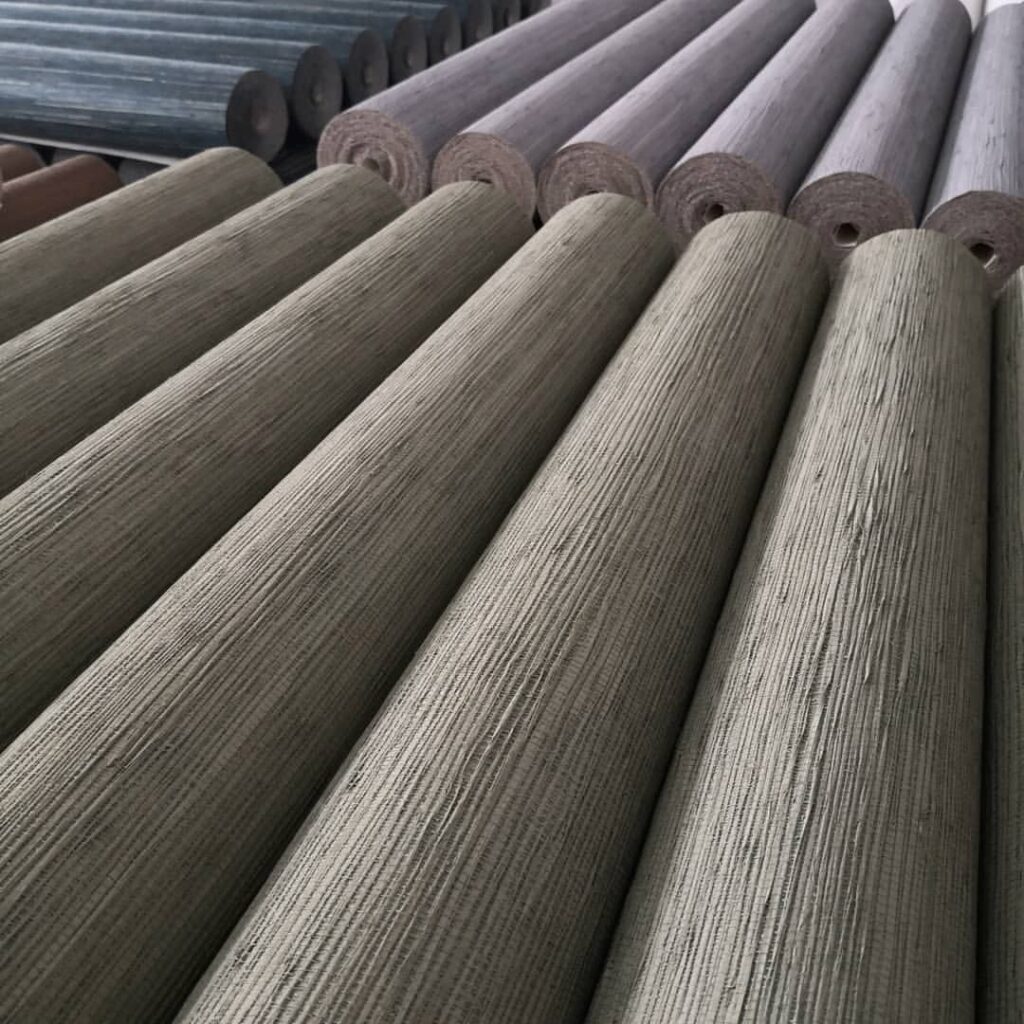
Once the fibers have been extracted, they are then woven into a durable fabric that can be further treated and dyed to achieve the desired texture and color. This careful weaving process is essential in creating the unique and visually appealing patterns that characterize sisal wallpaper.
The Aesthetic Appeal of Sisal Wallpaper
Sisal wallpaper offers a captivating visual experience, blending the natural beauty of the sisal fibers with a contemporary and sophisticated design aesthetic. The inherent textures and hues of this sustainable wall covering can seamlessly complement a wide range of interior design styles.
Embracing Natural Textures and Colors
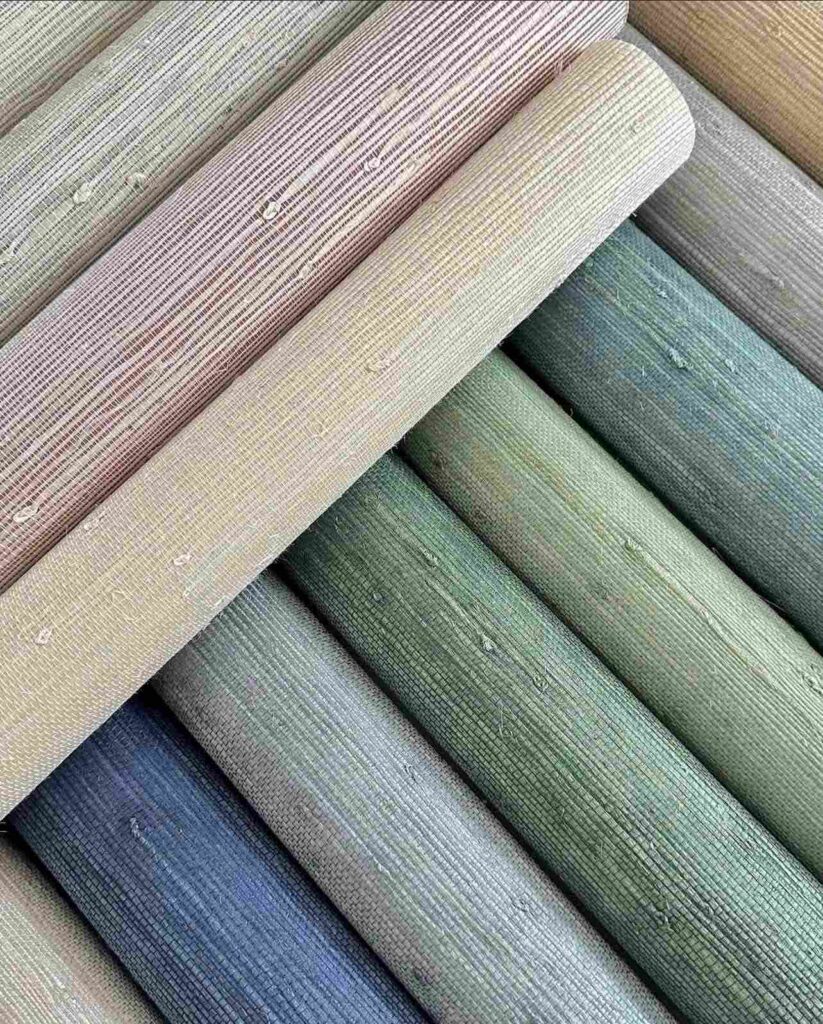
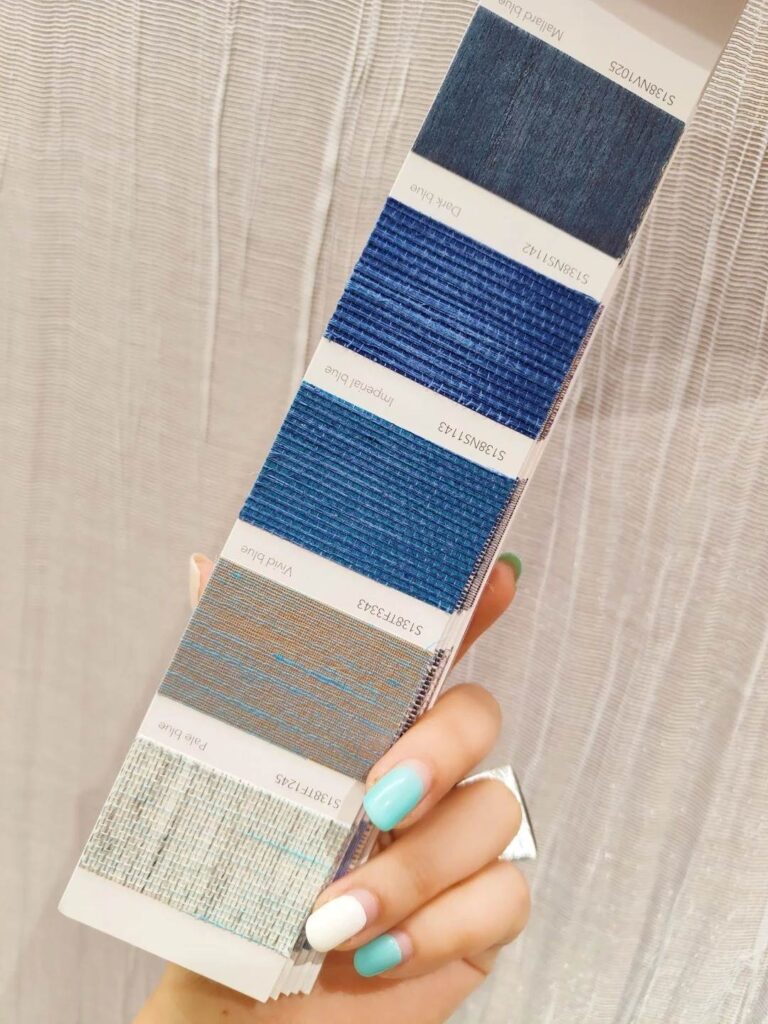
The natural beauty of sisal is a key aspect of its appeal. The fibers’ inherent variations in color and texture create a unique, hand-crafted appearance that adds depth and character to any wall. From the subtle, neutral tones of beige and sand to the more vibrant shades of green and blue, sisal wallpaper offers a versatile palette that can be tailored to suit individual preferences and design concepts.
The tactile quality of sisal wallpaper also enhances the sensory experience of the space, inviting viewers to reach out and touch the warm, organic surface. This natural aesthetic can seamlessly blend into a variety of interior design styles, from the rustic and earthy to the clean and contemporary.
Complementing Diverse Design Styles
One of the most remarkable aspects of sisal wallpaper is its ability to seamlessly integrate into a wide range of interior design styles. Whether you’re drawn to the timeless charm of a classic, traditional aesthetic or the minimalist elegance of a modern-day space, sisal wallpaper can effortlessly enhance the overall ambiance.
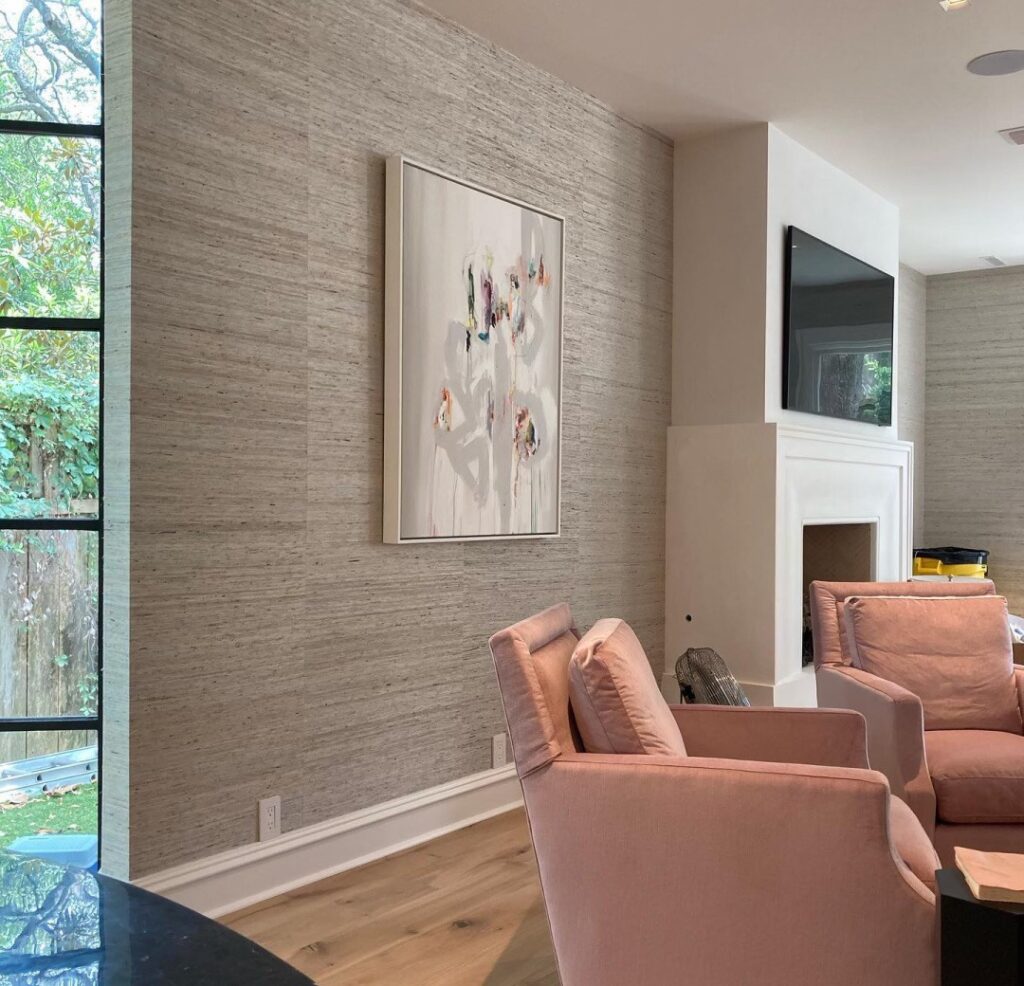
In a rustic or farmhouse-inspired setting, the natural texture and earthy tones of sisal wallpaper can create a cozy and inviting atmosphere, perfectly complementing wooden beams, weathered furniture, and natural-fiber accents. Conversely, in a sleek, contemporary space, the understated sophistication of sisal can provide a stunning contrast, adding depth and warmth to the clean lines and muted color palette.
Exploring Diverse Patterns and Designs
The versatility of sisal wallpaper extends beyond its natural textures and colors. Through innovative manufacturing processes, sisal can be woven into a diverse array of patterns and designs, allowing homeowners and designers to tailor the wall covering to their specific preferences and design goals.
From the classic herringbone or striped patterns to more intricate, geometric motifs, sisal wallpaper offers a wealth of options to choose from. This diversity in design provides the opportunity to create visually striking focal points, accentuate architectural features, or establish a cohesive, harmonious aesthetic throughout the space.
Benefits of Choosing Sisal Wallpaper
Sisal wallpaper offers a multitude of benefits that make it a compelling choice for homeowners and design enthusiasts alike. From its durability and longevity to its unique sound-absorbing properties and hypoallergenic qualities, sisal wallpaper is a versatile and valuable addition to any living space.
Durability and Longevity
One of the standout features of sisal wallpaper is its exceptional durability and longevity. The natural fibers that comprise this wall covering are inherently strong and resistant to wear and tear, ensuring that your investment in sisal wallpaper will pay dividends for years to come.
Unlike traditional wallpaper materials, which can become easily damaged or discolored over time, sisal wallpaper maintains its structural integrity and visual appeal with minimal maintenance. This makes it an ideal choice for high-traffic areas or spaces that require a more resilient wall covering.
Sound-Absorbing Properties
Sisal wallpaper’s natural ability to absorb sound is another significant benefit that sets it apart from other wall coverings. The fibrous texture of the material helps to dampen and dissipate sound waves, creating a more peaceful and tranquil atmosphere in the spaces where it is installed.
This sound-absorbing quality is particularly beneficial in rooms where noise reduction is a priority, such as home offices, media rooms, or areas dedicated to relaxation and meditation. By incorporating sisal wallpaper, homeowners can enjoy a more serene and focused environment, enhancing the overall ambiance and functionality of the space.
Organic Aesthetic and Warmth
The natural appearance of sisal wallpaper, with its warm, earthy tones and tactile texture, can infuse a living space with a sense of organic sophistication and visual interest. This aesthetic quality can be particularly impactful in modern or minimalist interiors, where the sisal wallpaper serves as a stunning contrast to the clean lines and neutral color palettes.
Moreover, the inherent warmth and inviting feel of sisal wallpaper can help to soften the overall atmosphere of a room, creating a cozy and welcoming ambiance that encourages relaxation and comfort. This makes sisal an excellent choice for residential spaces, where fostering a sense of sanctuary and well-being is a top priority.
Hypoallergenic Properties
For homeowners or family members with allergies, sisal wallpaper offers a unique advantage. Unlike traditional wallpaper materials that can trap dust and other allergens, sisal is a hypoallergenic solution that is less likely to trigger adverse reactions.
This makes sisal wallpaper an ideal choice for those with respiratory sensitivities or other allergy-related concerns. By incorporating this natural wall covering, homeowners can create a healthier, more comfortable living environment that caters to the needs of all family members.
Sisal Wallpaper and Sustainability
Sustainability is a crucial consideration in today’s design landscape, and sisal wallpaper is a shining example of an eco-friendly wall covering that aligns with the growing demand for more environmentally conscious interior solutions.
Sisal as a Renewable and Biodegradable Material
At the heart of sisal wallpaper’s sustainability credentials is the fact that it is derived from a renewable and biodegradable natural resource – the Agave Sisalana plant. Unlike many synthetic or petroleum-based wallpaper materials, sisal can be harvested and processed with minimal environmental impact, making it a truly sustainable choice for homeowners and design enthusiasts.
Furthermore, when the time comes to replace or remove sisal wallpaper, the material can be easily disposed of in an environmentally responsible manner, as it will naturally break down and decompose without leaving a lasting impact on the environment.
The Eco-Friendly Production Process
The production of sisal wallpaper is also a remarkably eco-friendly process, requiring little energy and no harmful chemicals. This stands in stark contrast to the resource-intensive and chemically-laden manufacturing processes associated with many traditional wallpaper materials.
By choosing sisal wallpaper, homeowners can feel confident that they are contributing to a more sustainable interior design landscape, one that prioritizes the use of natural, renewable resources and minimizes the carbon footprint of their living spaces.
Comparison to Traditional Wallpaper Materials
When compared to conventional wallpaper options, sisal wallpaper emerges as a clear champion of sustainability. While traditional wallpapers may rely on synthetic materials, petroleum-based adhesives, and energy-intensive production methods, sisal offers a refreshingly eco-friendly alternative that aligns with the growing trend towards more mindful and responsible interior design choices.
By embracing sisal wallpaper, homeowners can not only enjoy the natural beauty and unique benefits of this wall covering but also take pride in their contribution to a more sustainable future for both their homes and the planet.
How to Incorporate Sisal Wallpaper in Your Home
Integrating sisal wallpaper into your living spaces is a rewarding and transformative process that can elevate the overall aesthetic and ambiance of your home. With a range of colors, textures, and design options available, there are numerous ways to incorporate this sustainable wall covering into your interior design scheme.
Choosing the Right Color and Texture
When selecting sisal wallpaper for your home, it’s essential to consider the color and texture that will best complement your existing decor and design aesthetic. The natural hues of sisal, ranging from neutral beiges and tans to vibrant greens and blues, offer a versatile palette that can be tailored to suit a variety of interior styles.
Additionally, the varying textures of sisal wallpaper, from the subtle, woven patterns to the more pronounced, rope-like designs, can create visual interest and depth within a space. Carefully considering the desired mood and atmosphere you wish to achieve will help you choose the perfect sisal wallpaper for your living environment.
Ideal Rooms for Sisal Wallpaper
Sisal wallpaper’s versatility and unique benefits make it a suitable choice for various rooms throughout the home. In living rooms and bedrooms, the natural warmth and sound-absorbing properties of sisal can create a cozy and tranquil ambiance, while in home offices or study areas, the organic aesthetic can foster a sense of focus and productivity.
Additionally, the durable nature of sisal wallpaper makes it an excellent choice for high-traffic spaces, such as entryways or hallways, where traditional wallpaper may be more susceptible to wear and tear. By thoughtfully incorporating sisal wallpaper into these strategic areas, homeowners can enjoy the long-lasting beauty and functionality of this sustainable wall covering.
Installation and Maintenance Tips
Properly installing and maintaining sisal wallpaper is essential to ensure its longevity and optimal performance within your living spaces. While the installation process may vary depending on the specific product and manufacturer, it’s generally recommended to follow the manufacturer’s instructions carefully and seek the assistance of a professional wallpaper installer if needed.
Once the sisal wallpaper is in place, regular dusting and occasional spot cleaning with a mild, damp cloth can help maintain its pristine appearance. Homeowners should also be mindful of direct sunlight exposure, which can cause the natural fibers to fade over time. By incorporating these simple maintenance practices, homeowners can enjoy the beauty and benefits of their sisal wallpaper for years to come.

Conclusion
Sisal wallpaper is a remarkable choice for those seeking to infuse their living spaces with a harmonious blend of natural beauty, sustainable design, and functional benefits. From its origins in the lush, tropical regions of the world to its captivating aesthetic appeal and impressive performance characteristics, this wall covering offers a unique and compelling solution for modern, eco-conscious homeowners.
By embracing the warmth, durability, and sound-absorbing properties of sisal wallpaper, homeowners can create living environments that not only visually delight but also promote a sense of comfort, tranquility, and environmental stewardship. As the demand for sustainable and aesthetically pleasing interior design solutions continues to grow, sisal wallpaper stands out as a shining example of a wall covering that seamlessly combines form and function, elevating the living experience for all who encounter it.