Rattan & Natural Fiber Materials in the Philippines Market
The Philippines occupies a distinctive position in the rattan materials landscape of Southeast Asia — a country whose tropical island geography, deep craftsmanship tradition with natural woven materials, and rapidly expanding resort hospitality and urban condominium sectors create layered and growing demand for rattan materials across multiple industry contexts simultaneously. Natural fiber materials Philippines’ designers, resort developers, furniture makers, and urban interior contractors source are selected for their environmental compatibility with a tropical climate — breathable, lightweight, and visually warm — and for their alignment with a design culture that treats natural woven textures as both culturally resonant and aesthetically contemporary.
Natural Fiber Materials in the Philippines – A Tropical and Hospitality-Led Market
Rattan materials Philippines’ hospitality and residential sectors generate demand for are shaped by two converging forces: the country’s world-class island resort and tourism industry, which drives project-scale demand for hospitality interior materials across Boracay, Palawan, Cebu, and Bohol; and the rapid condominium and urban residential growth in Metro Manila, Cebu City, and Davao, which generates rising specification-level demand for natural woven materials in compact modern interiors. The cane webbing Philippines market reflects both dimensions — resort developers source natural woven panels for beachfront restaurant seating, villa headboards, and spa interior partitions, while urban interior designers specify cane webbing cabinet inserts and accent wall panels for condominium renovation projects where tropical-modern aesthetics blend open-air material references with contemporary spatial efficiency.
Core Industries Driving Rattan Materials Demand in the Philippines
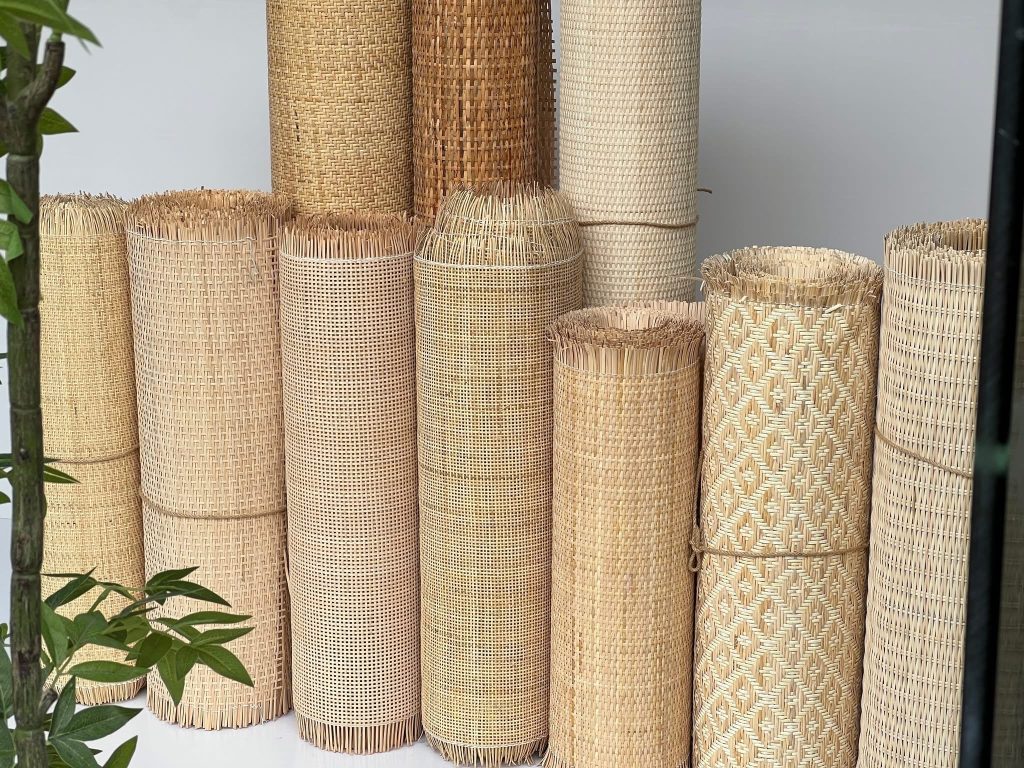
Hospitality & Resort Development
Resort interior materials Philippines’ tourism economy generates across its island destinations represent the primary and most distinctive demand channel for natural fiber materials in the country. Resort villa developments in Palawan, boutique beachfront hotels in Boracay, eco-lodge properties in Bohol, and luxury hospitality projects in Cebu all specify rattan furniture material Philippines’ hospitality designers source for bed headboards, lounge chair panels, ceiling accent installations, decorative room partitions, and spa interior applications.
Natural woven materials are architecturally appropriate in these environments in a way that few other materials match — they are breathable in tropical humidity, visually warm without visual weight, and culturally resonant in a market where the natural material heritage of the Philippines is a guest experience asset rather than simply a design preference.
Condominium & Urban Residential Projects
Metro Manila’s condominium development boom — one of Southeast Asia’s most active urban residential growth markets — is generating strong and growing demand for cane webbing Philippines market buyers in the residential interior sector source for space-efficient design applications. Sliding cabinet panels with cane webbing inserts, balcony partition screens in natural woven materials, and accent wall panels are consistently specified by Manila, Makati, and Quezon City interior designers working on condominium renovation and new-build interior fit-out projects where the tropical-modern aesthetic — blending clean contemporary lines with natural material texture — is the dominant residential design reference.
Local Furniture Manufacturing
The Philippines has a well-established furniture craftsmanship tradition — particularly in Cebu, which is one of Southeast Asia’s most significant furniture production and export centres. Local furniture makers and export-oriented workshops incorporate tropical interior materials Philippines’ craft furniture sector sources — cane-back chair panels, decorative cabinet inserts, and custom residential furniture pieces with natural woven material facing — into production programs that serve both the domestic hospitality and residential markets and export buyers in Australia, Japan, and the United States. Unlike India’s hybrid producer-importer model or Indonesia’s raw material powerhouse position, the Philippines’ furniture sector is characterised by craftsmanship quality and hospitality-aligned design orientation.
Café, Restaurant & Lifestyle Interior Market
The Philippines’ rapidly growing café culture — visible across Metro Manila’s lifestyle districts and in the beach club and restaurant scenes of Boracay and Siargao — generates consistent demand for hospitality materials Philippines’ food and beverage interior designers specify for wall panels, seating backs, ceiling accent features, and decorative screens. The Filipino café and restaurant interior aesthetic, strongly influenced by tropical-modern and contemporary Filipino design movements, treats natural woven surfaces as primary material components rather than decorative additions — creating active ongoing demand for cane webbing, rattan mat panels, and natural fiber wall materials across the sector.
Natural Fiber Material Applications in Philippine Interior Projects
Rattan materials Philippines’ hospitality, residential, and commercial sectors incorporate serve specific climate-compatible and aesthetic roles:
Cane Webbing
- Resort villa and boutique hotel seating — the primary cane webbing Philippines market application in hospitality, specified for lounge chairs, dining seats, and feature headboard panels
- Condominium wardrobe and cabinet panels — used in urban residential renovation for sliding door inserts and storage furniture facing in tropical-modern interior schemes
- Café and restaurant dining chair backs — consistently specified across the Philippines’ growing food and beverage interior sector for natural texture and visual warmth
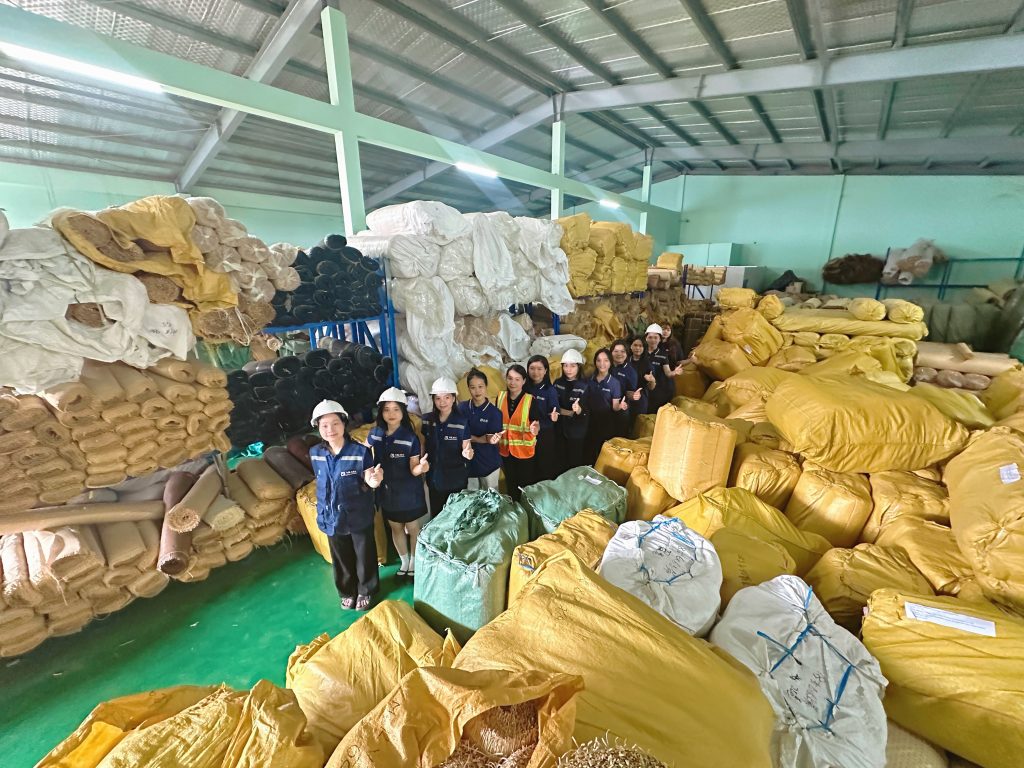
Rattan Core
- Edge binding and fine furniture detailing — used by Philippine furniture craftspeople for chair arm, leg, and frame finishing on custom hospitality and residential furniture pieces
- Structural reinforcement in export furniture — incorporated by Cebu furniture manufacturers into export-quality pieces for Australian, Japanese, and US buyers
Rattan Mats
- Resort ceiling panel accents — flat woven rattan panels installed in boutique hotel and resort villa ceilings to introduce natural material warmth and acoustic softening
- Wall cladding in spa and wellness interiors — specified in resort spa treatment rooms and wellness facilities for their breathable, calming material character
Grasscloth Wallpaper
- Boutique hotel room feature walls — specified in island resort and boutique hotel guestrooms where grasscloth introduces natural texture appropriate to tropical hospitality environments
- Living room accent walls in condominium interiors — used by Metro Manila interior designers in high-specification residential renovation projects
Filipino Design Aesthetics & Interior Trends for Natural Materials
Philippine interior design culture has developed a distinctive tropical-modern aesthetic that treats natural woven materials as foundational elements rather than decorative accents. Tropical modern — the dominant residential and hospitality interior style across the Philippines — combines light timber surfaces, open-air spatial layouts, ventilated architectural forms, and natural woven textures to create interiors that are simultaneously contemporary and climatically responsive. Rattan furniture material Philippines’ designers work with is central to this aesthetic: its visual lightness, surface breathability, and natural warmth make it the material most aligned with both the environmental conditions and the design values of tropical-modern interiors.
Contemporary Filipino design, increasingly defined by the work of Philippine-based designers with international exposure, blends natural woven material references with global minimalist influences — creating interiors where tropical interior materials Philippines’ design community specifies are used with precision and restraint rather than decorative abundance. The coastal interior aesthetic, prevalent across beach resort and island hospitality contexts, uses cane webbing, rattan mat panels, and grasscloth wallpaper as environmental references — materials that signal proximity to nature and align the interior with the landscape it inhabits. Unlike Germany’s structured precision, France’s decorative refinement, or Australia’s relaxed coastal tone, the Philippines’ natural material aesthetic is rooted in tropical climate compatibility and a craft material heritage that is culturally native rather than imported.
Regional Demand Distribution Across the Philippines
Metro Manila — Condominium & Commercial Interiors
Metro Manila — encompassing Makati, Bonifacio Global City, Quezon City, and the broader National Capital Region — generates the Philippines’ highest concentration of condominium renovation demand and commercial interior fit-out activity. Interior design firms in Manila specify natural fiber materials Philippines’ capital city design community sources for high-specification residential projects and commercial spaces where tropical-modern material references are standard design language.
Cebu — Hospitality Expansion & Furniture Production
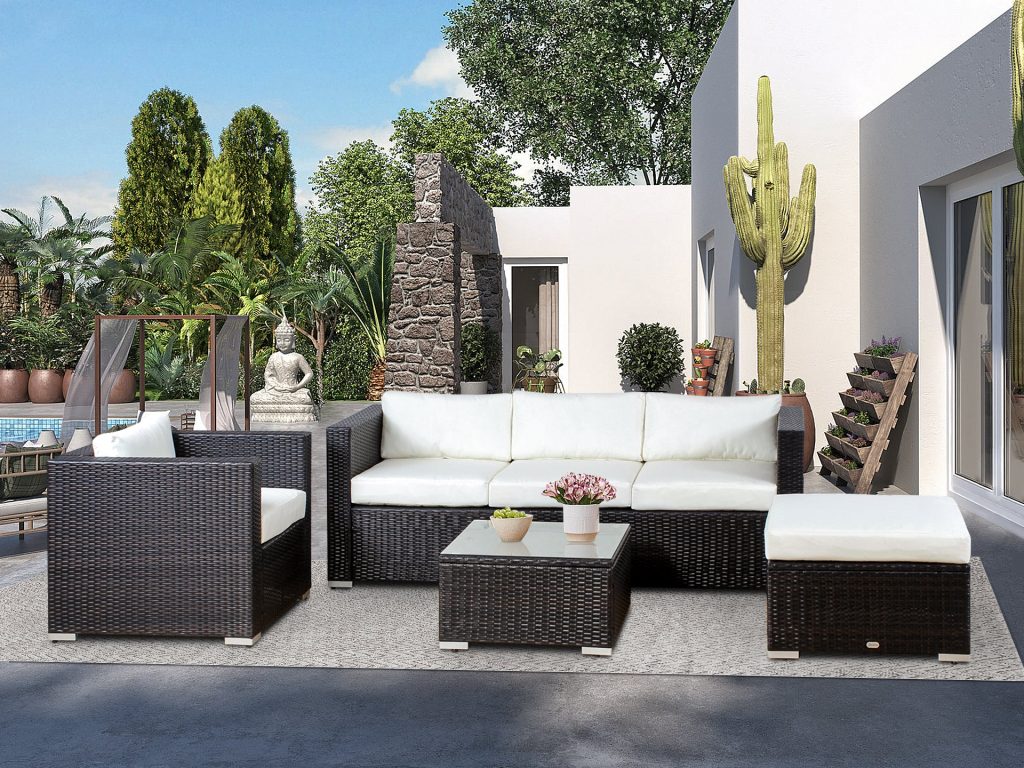
Cebu combines two significant rattan materials Philippines demand sources: the island’s expanding boutique hotel and resort development pipeline, which generates hospitality interior materials demand; and the Cebu furniture manufacturing cluster, one of Southeast Asia’s most active export furniture production centres, whose craftspeople source rattan furniture material Philippines’ Cebu workshops incorporate into export and domestic furniture production.
Palawan & Boracay — Boutique Resort Concentration
The resort destinations of Palawan and Boracay generate the Philippines’ most design-intensive hospitality demand for resort interior materials Philippines’ island destinations require. Eco-resort developments in El Nido and Coron, luxury beachfront properties in Boracay, and boutique villa developments across Palawan’s island archipelago specify natural woven materials at project scale for interiors where environmental authenticity is both a design requirement and a guest experience asset.
Davao & Mindanao — Growing Residential Sector
Davao’s expanding urban residential market and Mindanao’s broader regional development generate growing domestic demand for natural fiber materials that reflects the Philippines’ national design shift toward tropical-modern interiors — extending the material adoption patterns established in Manila and Cebu into the country’s emerging regional urban centres.
Import & Supply Landscape for Natural Fiber Materials in the Philippines
The Philippines imports the substantial majority of its processed natural woven materials — rattan core, cane webbing panels, and natural fiber wall coverings — from regional Southeast Asian suppliers, as domestic processing capacity is limited relative to the country’s design and manufacturing demand. The hospitality sector’s seasonal demand patterns — spiking ahead of the Philippines’ peak tourism season from November to April — create specific supply planning requirements for resort developers and interior contractors who need materials to arrive on schedule for construction and fit-out completion ahead of property openings.
Hospitality materials Philippines’ resort developers source for project-based fit-outs — where all materials for a single property must match in weave, colour, and surface quality across every room, places particular premium on batch consistency and supply reliability from international natural fiber material suppliers.
Sustainability & Climate Compatibility in the Philippines Market

Natural fiber materials align with the Philippines’ tropical climate in practical terms that are independent of sustainability ideology — breathable woven surfaces improve air circulation in high-humidity environments, lightweight rattan reduces the thermal mass of interior installations, and natural fiber wall coverings perform better in tropical conditions than many synthetic alternatives that trap moisture and degrade in heat and humidity.
Growing environmental awareness among Philippine resort developers and urban interior designers adds a sustainability dimension to this practical alignment: eco-resort operators across Palawan and Bohol actively specify natural, renewable materials as part of their environmental positioning, and Metro Manila’s design-conscious condominium buyers increasingly reward natural material specifications. The growing adoption of rattan materials Philippines’ eco-resort operators specify reflects environmental consciousness that is not yet regulatory-heavy in the way of EU markets, but it is authentic and growing — particularly within the eco-tourism and premium hospitality sectors where sustainability credentials are a commercial differentiator.
Why Consistent International Supply Matters for Philippine Projects
For Philippine resort developers, furniture makers, and urban interior designers, the consistency of natural woven material supply is a project-quality and commercial reliability concern. Resort interior materials Philippines’ island hospitality sector requires must arrive with matched weave patterns and colour across every unit in a property fit-out — inconsistency that is acceptable in some markets is immediately visible in a boutique hotel room or villa where every surface is evaluated by design-aware international guests. Cebu furniture manufacturers producing for export buyers face the same requirement from their retail clients, for whom material batch deviation generates quality complaints and return risk.
For Philippine buyers exploring consistent natural fiber material supply:
- Wholesale Rattan Cane Webbing — furniture-grade cane webbing for resort hospitality seating and condominium cabinet applications
- Wholesale Rattan Core — structural binding material for Philippine furniture craftsmanship and export production
- Wholesale Grasscloth Wallpaper — commercial-grade natural fiber wallpaper for boutique hotel and premium residential projects
Supporting the Philippines’ Hospitality & Interior Development
The Philippines’ demand for rattan materials — with rattan materials Philippines’ market anchored in one of Southeast Asia’s most active island resort hospitality industries, a rapidly growing urban condominium renovation market, and a furniture craftsmanship tradition that treats natural woven materials as native production inputs — represents a market where climate compatibility, design authenticity, and supply reliability are the primary criteria for natural fiber material sourcing relationships. Natural fiber materials Philippines’ hospitality and interior sectors depend on must perform in tropical conditions — natural fiber materials Philippines’ island market depends on must match the craft quality standards of a market with genuine natural material heritage, and arrive consistently enough to support project timelines across a geographically dispersed island nation.